

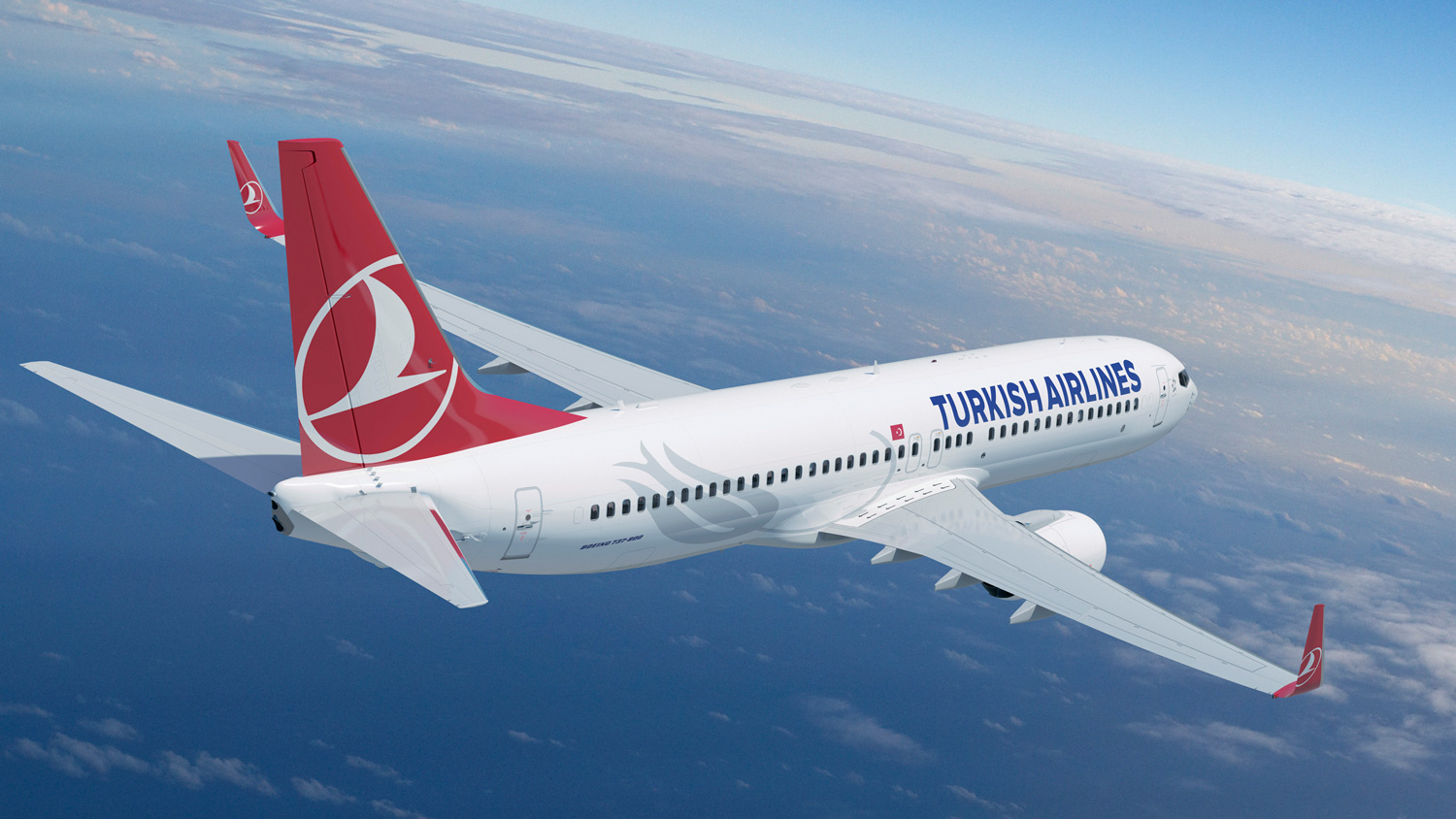
Sierra Leone is set to lose a key international air link following a decision by Turkish Airlines to suspend its operations to Lungi International Airport as part of a broad restructuring of its global route network.
The airline’s move forms part of adjustments to its northern summer 2026 schedule, with services to multiple destinations across Africa, Europe, the Middle East, and Central Asia being halted between May and June. The development is understood to be tied to a wider review of route viability amid increasing operational pressures and shifting global travel dynamics.
Freetown is among several African cities affected by the decision, alongside destinations such as Bissau, Monrovia, Kinshasa, and Luanda. The airline has, over the years, maintained a steady presence in Sierra Leone, operating a three-times-weekly service connecting Istanbul to Freetown via Ouagadougou.
Aviation data indicates that the final flight on the Freetown route is expected to take place in early June 2026, effectively bringing an end—at least for now—to one of the few direct links between Sierra Leone and Europe through Turkey’s main hub.
While the airline has not issued a detailed public explanation, industry analysts point to a mix of factors behind the decision, including rising fuel costs, evolving passenger demand, and ongoing geopolitical uncertainties affecting global aviation. Some routes, particularly those impacted by regional conflicts, have faced additional operational constraints such as restricted airspace.
The suspension signals a notable shift for Turkish Airlines, which had spent the past decade expanding aggressively across the African continent. Observers say the current pullback reflects a more cautious approach as airlines worldwide reassess profitability and route performance in a volatile operating environment.
It remains unclear when—or if—the Freetown service will resume. While some affected routes are expected to return later in 2026, others may remain suspended until 2027 or beyond, depending on market conditions.
For Sierra Leone, the development raises concerns about reduced connectivity and potential implications for travel, trade, and tourism, particularly as international carriers continue to adjust their operations in response to global economic and security trends.