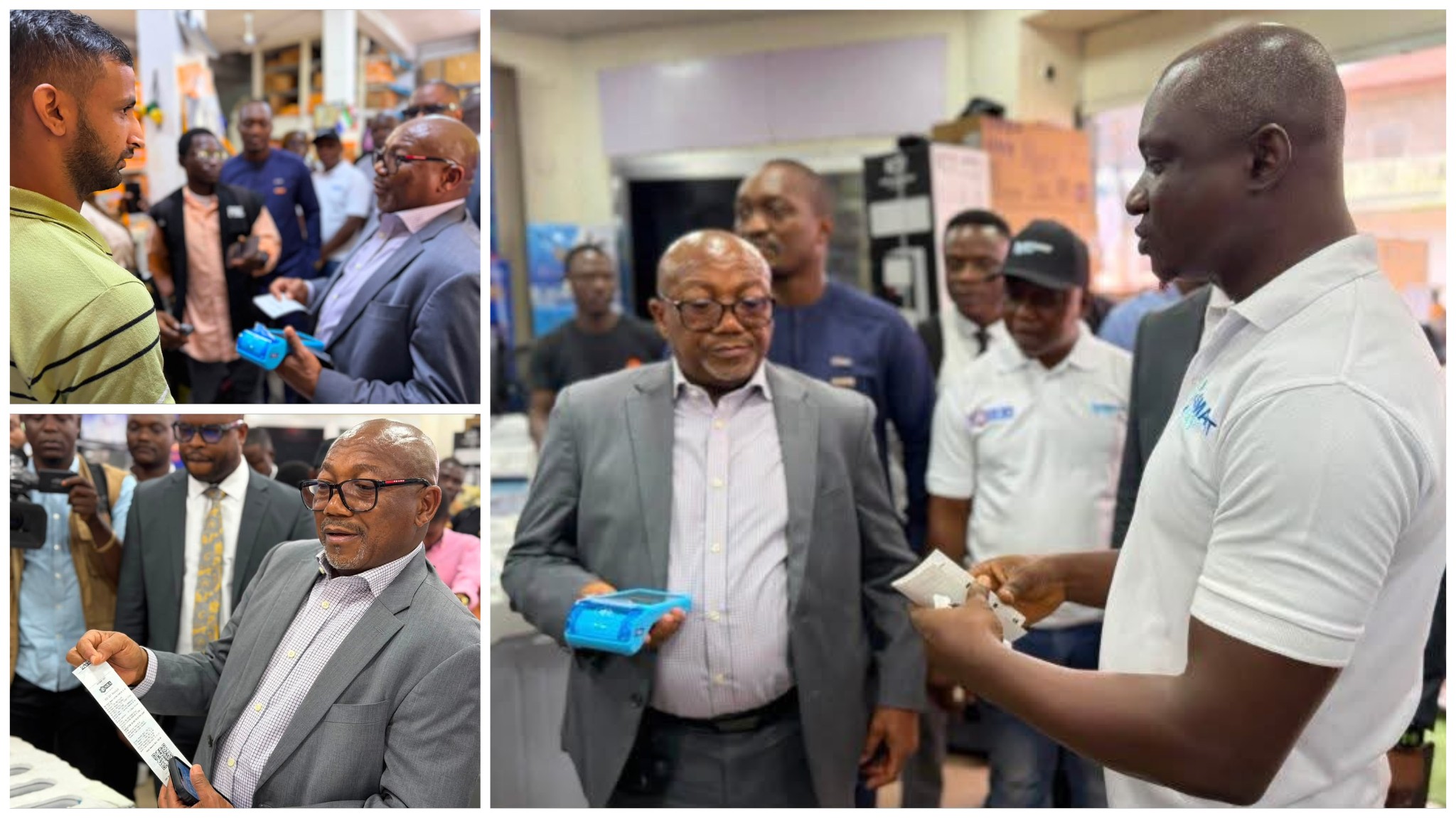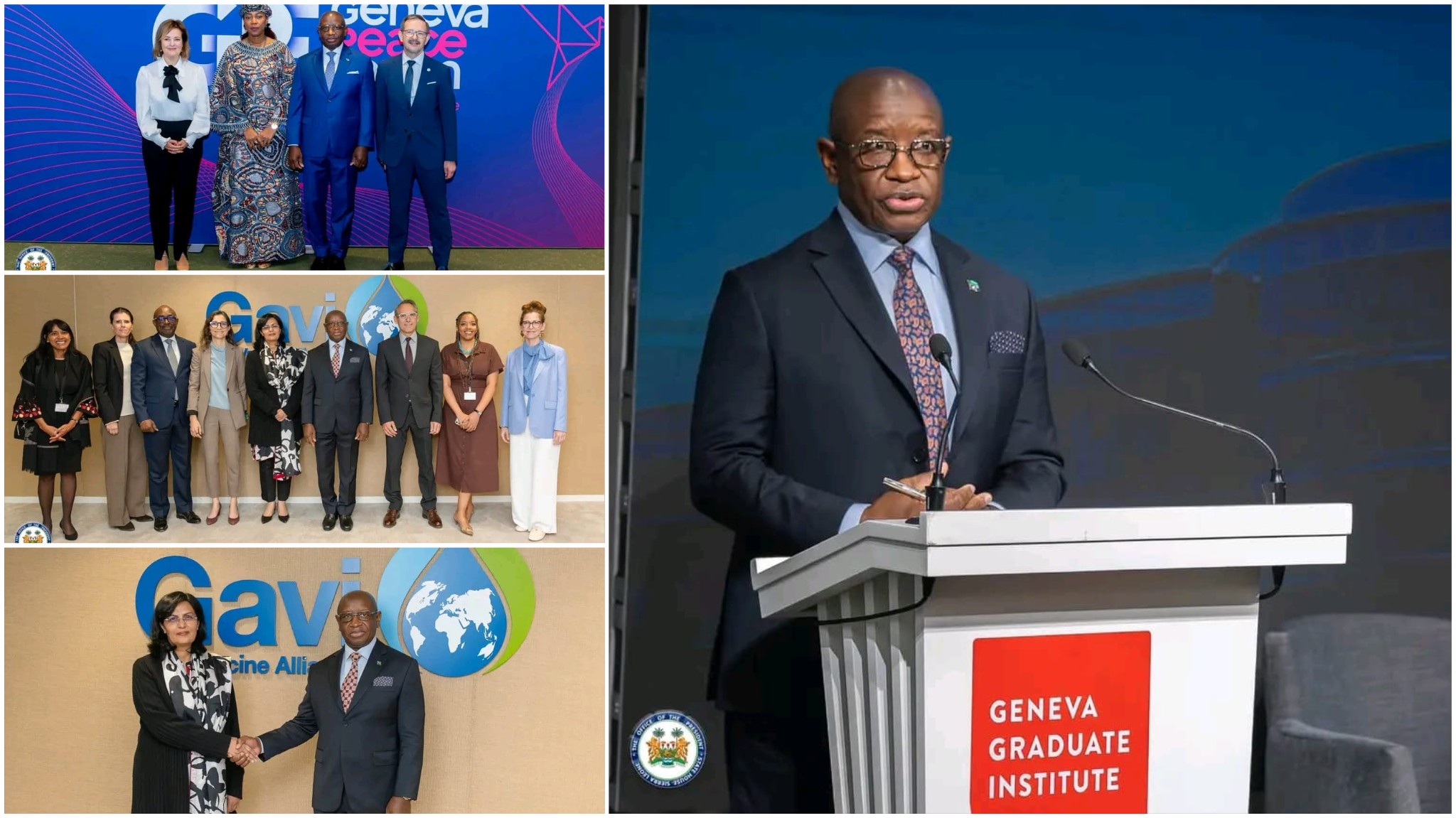


By Ahmed Sahid Nasralla (De Monk)
Sometimes, the most important revolutions happen quietly. No rallies. No political slogans. No endless press conferences. No social media wars. Just ordinary people inside public institutions making extraordinary decisions that gradually change the direction of an organisation.
Unfortunately, these are the stories Sierra Leone rarely tells.
Our national conversation has become addicted to politics. Every day, we debate politicians, political parties, tribal loyalties and elections. Yet nations are not built by politics alone.
They are built by institutions that continue serving the public long after political slogans have faded.
That is why my recent conversation with the Executive Director of the Sierra Leone Maritime Administration (SLMA), Dr. Daniel Kaitibi, left me thinking about something much bigger than ships and seafarers.
It left me thinking about leadership. It left me thinking about institutions. And, above all, it left me wondering whether Sierra Leone has been looking for prosperity in the wrong places.
Ask the average Sierra Leonean what the Maritime Administration does. Many would probably mention ships. Some might mention the harbour. A few may even confess they have no idea. Yet almost everything that sustains modern Sierra Leone arrives by sea.
The rice we eat. The fuel that powers our vehicles. The medicines in our hospitals. The cement that builds our homes. The machinery that drives our industries.
Likewise, our minerals, fish and agricultural exports leave these shores aboard vessels that connect us to the rest of the world. The sea is not only part of our geography. It is the bloodstream of our economy.
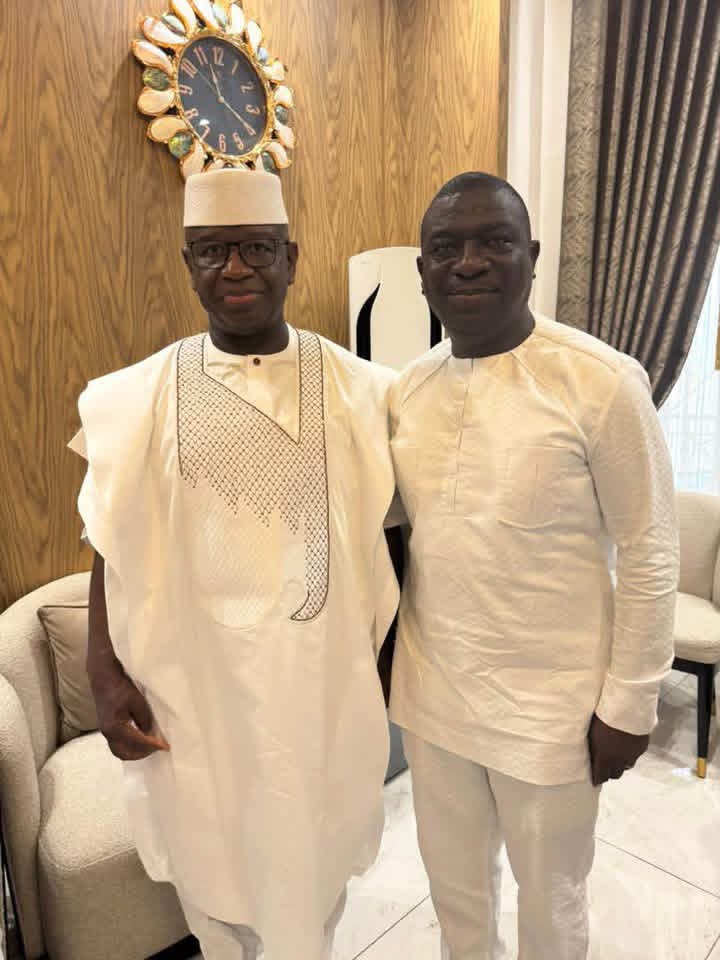
Ironically, one of the country’s most strategically important institutions has remained one of its least understood. Perhaps that is beginning to change.
Beyond Regulation
Listening to Dr. Kaitibi, it became clear that the Maritime Administration is attempting something more ambitious than regulating ships. It is trying to reposition Maritime as an engine of national development. That is a profound shift.
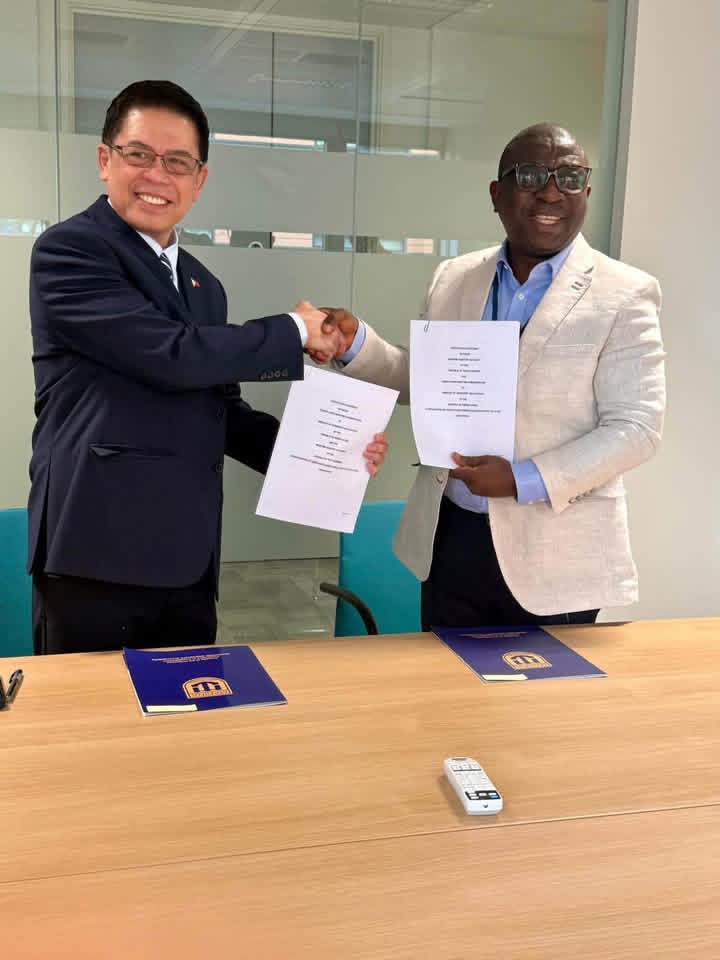
Too often, we think of government agencies merely as regulators, institutions that issue licences, collect fees and enforce rules. But the best public institutions do something more. They create opportunities. From digital reforms and legislative modernisation to international partnerships, maritime education, safety improvements on inland waterways and investment in professional training, the Administration appears to be asking a different question: “How can Maritime help build Sierra Leone?”
That, in itself, represents a refreshing way of thinking.
For decades, Sierra Leone has searched beneath the ground for prosperity. Diamonds, gold, iron ore, bauxite, rutile mining has dominated our national imagination; agriculture has rightly remained central to our development. But perhaps we have overlooked another natural resource that surrounds us every single day.
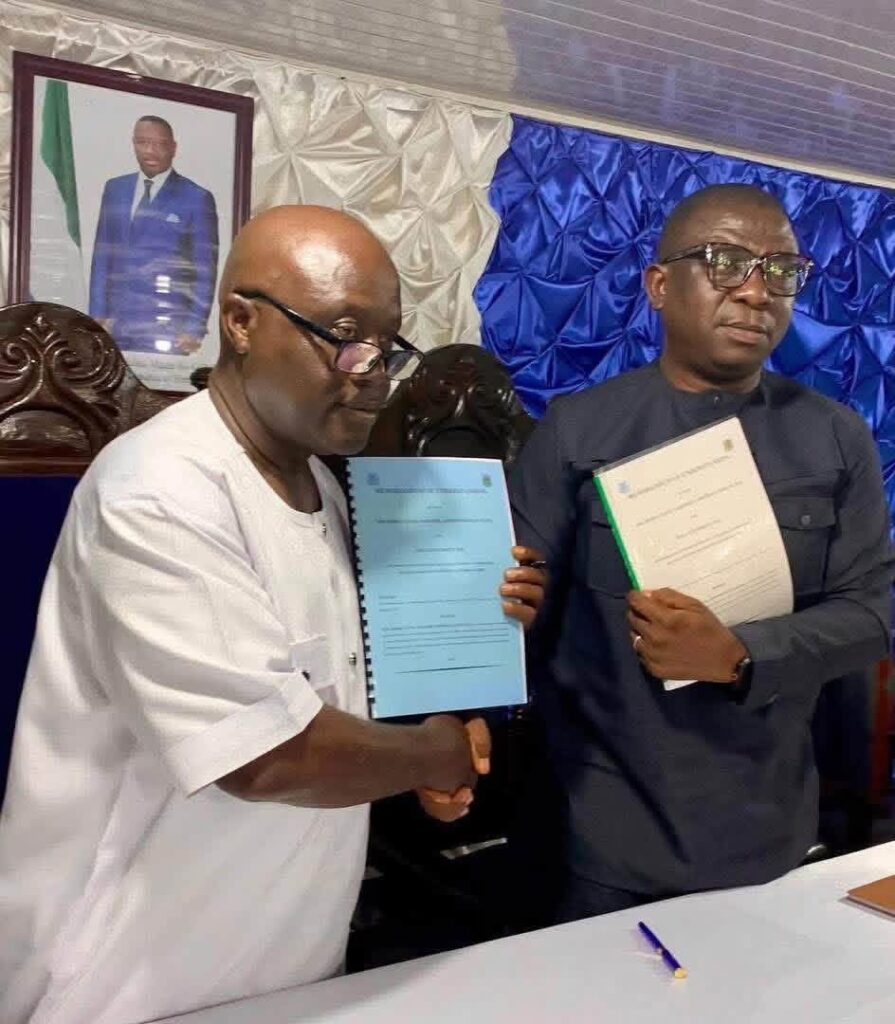
The ocean. The phrase “Blue Economy” still sounds unfamiliar to many Sierra Leoneans. Yet it may become one of the defining economic concepts of this century. The Blue Economy is not just about ships. It includes fisheries, port logistics, marine tourism, ship repair, maritime education, marine engineering, aquaculture, offshore renewable energy, environmental management, marine biotechnology, insurance, shipping finance, legal services, ocean research, etc. Taken together, these sectors employ millions of people around the world. Why shouldn’t they employ thousands here?
Sierra Leone possesses one of West Africa’s finest natural harbours. Our coastline stretches hundreds of kilometres along the Atlantic Ocean. Nature has already provided the opportunity. Our responsibility is to create the vision.
Perhaps the most striking observation Dr. Kaitibi made during our interview was this: Leadership comes before funding. That statement deserves national reflection. For years, Sierra Leone has explained institutional failure by saying, “There isn’t enough money.” Sometimes that is true. But not always.
History repeatedly shows that weak leadership can waste enormous resources, while strong leadership often attracts new resources. Investors rarely invest where institutions inspire no confidence. Development partners rarely commit significant resources where accountability is weak. People rarely believe in organisations that do not first believe in themselves.
Leadership cannot replace funding, but leadership often determines whether funding ever arrives.
That lesson extends far beyond Maritime. It applies to every ministry, agency and public institution in Sierra Leone, including the very institution I once led- SLAJ.
There is another lesson worth emphasising. Individuals come and go. Institutions remain. Dr. Kaitibi will not lead the Maritime Administration forever. Nor should any institution depend on one individual. The true measure of leadership is whether the systems being introduced today continue producing results long after today’s leaders have left office.
That is why legislative reforms, digital systems, staff development, international partnerships and institutional culture matter far more than media headlines. When institutions become stronger than personalities, countries begin to change.
None of this means Maritime has reached the finish line. Far from it. Illegal fishing continues to threaten our marine resources. Infrastructure still requires significant investment. Safety on inland waterways remains an ongoing challenge. The Blue Economy itself requires coordination across government, the private sector, academia and development partners. The work has only begun.
But perhaps that is precisely why this story deserves attention. Too often, Sierra Leone waits until institutions collapse before discussing them. Perhaps we should also celebrate, and critically examine, the institutions that are trying to improve. Constructive scrutiny is healthier than cynical indifference.
As the world marks World Seafarers Day, we should broaden the conversation. This is about honouring men and women who work at sea. But more importantly, it is about recognising that our future may be more connected to the ocean than we have ever imagined.
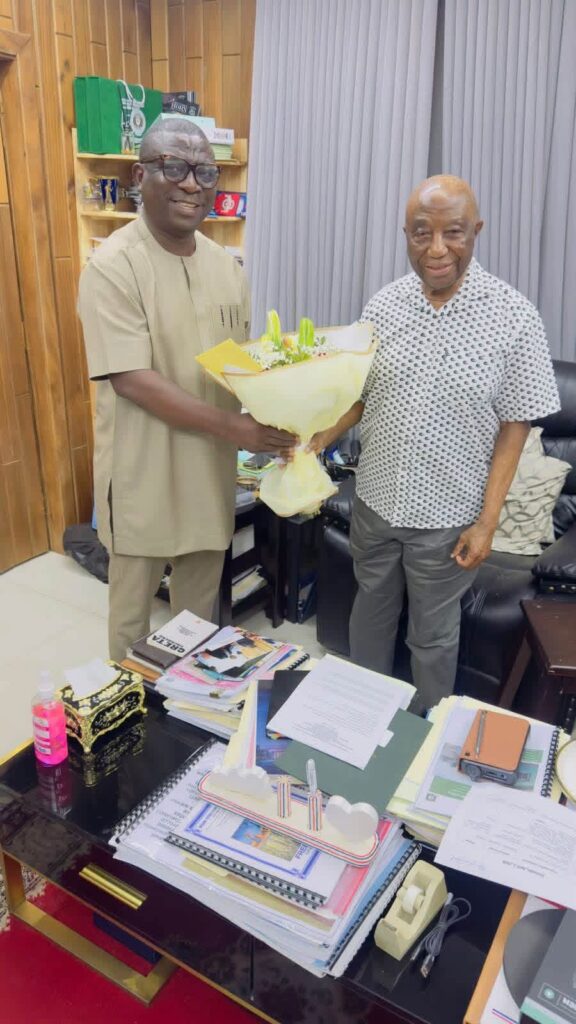
The question before us is no longer whether Maritime matters. It clearly does. The real question is whether we are prepared, as a nation, to treat the sea not merely as water surrounding Sierra Leone, but as one of our greatest economic frontiers.
For generations, we have dug into the earth searching for wealth. Perhaps the next chapter of Sierra Leone’s development will not be written beneath our feet. Perhaps it has been waiting, patiently, beyond our shoreline.
I think this is where the conversation should begin; not end.
NOTE: The author is the Ex–Officio and Immediate Past President of the Sierra Leone Association of Journalists (SLAJ).