
By Foday Moriba Conteh
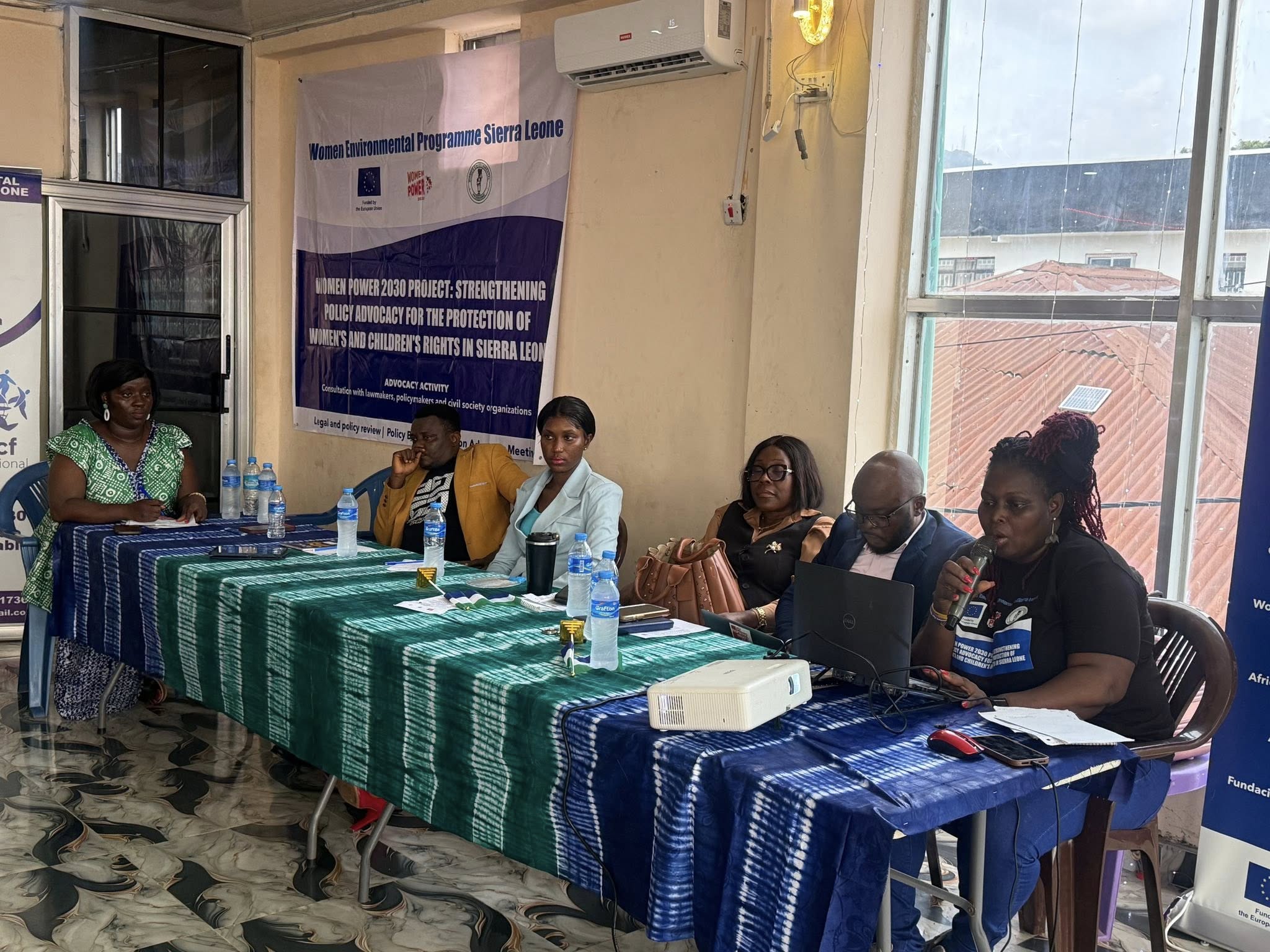
The Women Environmental Programme (WEP) Sierra Leone, with support from the European Union, on Tuesday, June 2, 2026, concluded a one-day multi-stakeholder consultation meeting aimed at strengthening policy advocacy for the protection of women’s and children’s rights in Sierra Leone.
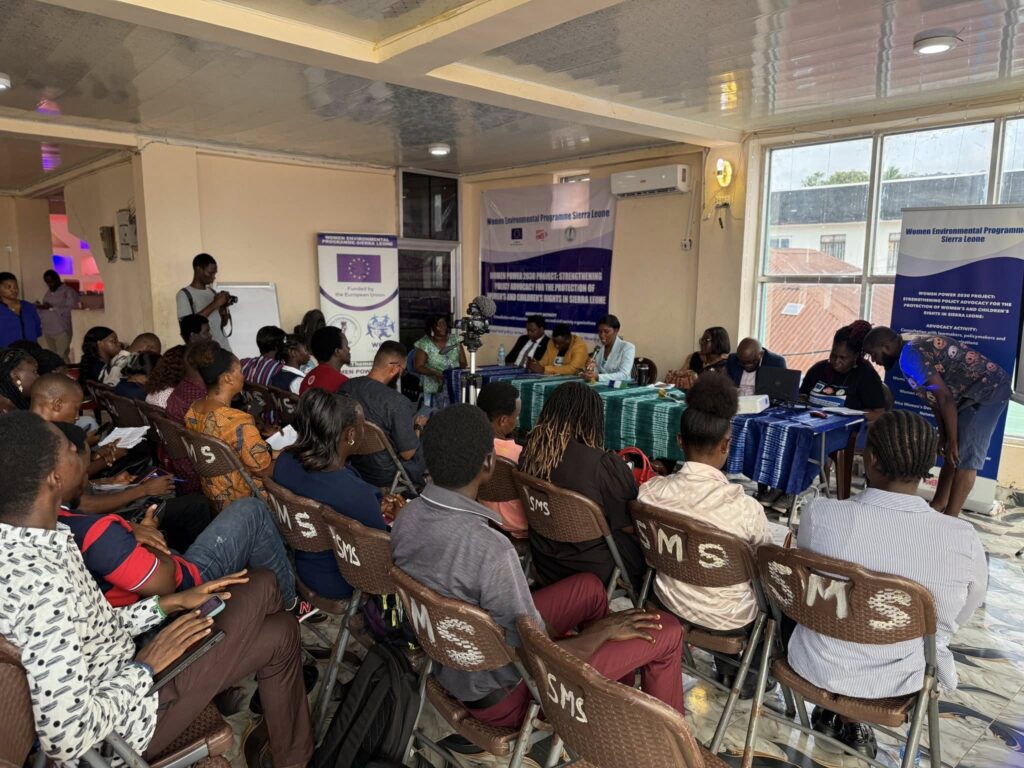
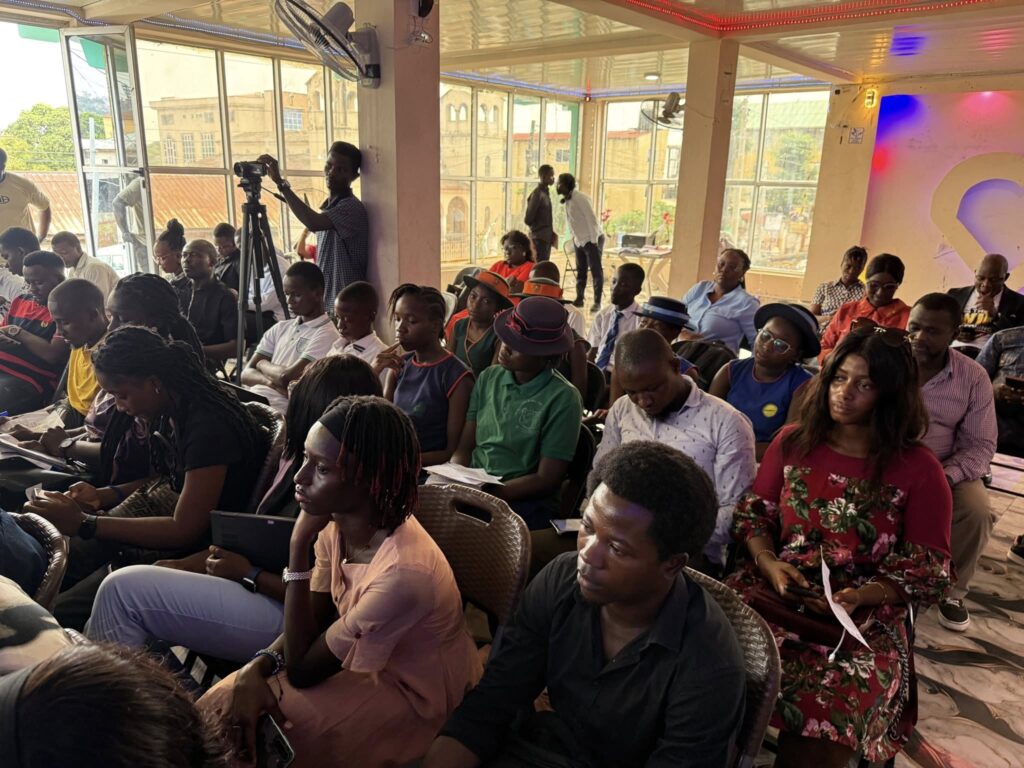
The meeting, held at Two Brothers Hall on Skye Street in Freetown, brought together lawmakers, policymakers, civil society organizations, development partners and representatives of vulnerable groups. It forms part of the WomenPower2030 initiative, a broader programme focused on advancing gender equality, strengthening feminist organizations and improving policy implementation across participating countries.
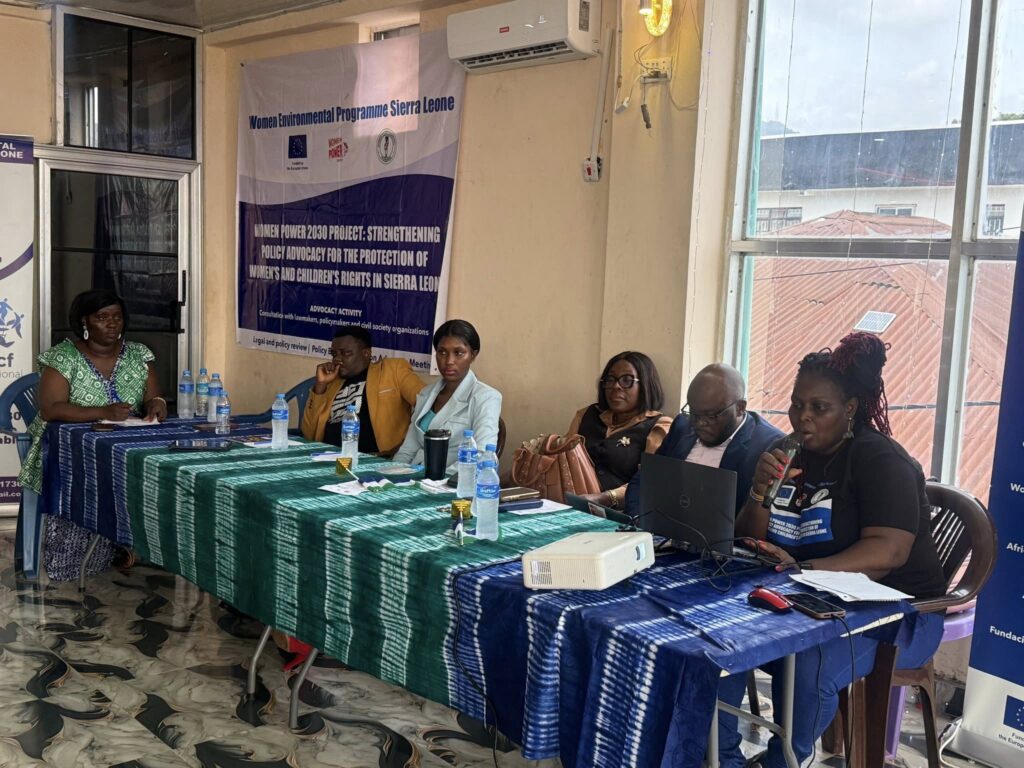
Speaking at the event, the Chief Executive Officer and Founder of Women Environmental Programme Sierra Leone, Stalina P.H. Vandi, explained that WomenPower2030 is a partnership between the European Union and a consortium of leading feminist organizations working to strengthen women’s rights organizations and civil society engagement in policy processes.
She said the consortium includes Women Engage for a Common Future (WECF), Women Environmental Programme (WEP), FEMNET, the Asia Pacific Forum on Women, Law and Development, among other global partners.
According to her, the initiative aims to strengthen the capacity of women’s rights organizations to address inequality, influence laws and policies, improve livelihoods, and mobilize women, youth, and gender-diverse groups at national and global levels.
Vandi noted that Sierra Leone has recorded significant progress in developing key legal frameworks, including the Gender Equality and Women’s Empowerment Act 2022 and the Child Rights Act 2007. However, she stressed that serious gaps remain in enforcement, coordination, accountability, and public awareness.
She warned that continued cases of sexual and gender-based violence and violations of children’s rights highlight the urgent need for stronger implementation of existing laws.
“The project is designed to strengthen policy implementation through evidence-based advocacy, improved stakeholder engagement, and enhanced accountability mechanisms,” she said.
She added that the initiative will include policy reviews, gap analyses, development of policy briefs, and improved coordination among government institutions, civil society organizations, and development partners.
Vandi further disclosed that WomenPower2030 has already implemented six major projects, including environmental justice programmes, digital skills training, biopesticide training, and leadership capacity-building initiatives.
She said the current consultation represents the seventh activity under the programme and focuses specifically on strengthening policy advocacy and stakeholder engagement for women’s and children’s rights protection.
The project will follow a seven-stage implementation process beginning with broad stakeholder consultations and policy gap identification.
Findings from the consultation will be consolidated into policy briefs and recommendations to guide advocacy and institutional reforms.
She expressed optimism that the initiative will improve coordination, strengthen accountability systems, increase awareness of rights, and promote gender equality and social justice in Sierra Leone.
Speaking on behalf of Irish Aid Sierra Leone, Senior Program Advisor on Climate Change and Environment, John Abu-Kpawoh, called for stronger implementation of gender-responsive policies.
He emphasized that real development depends on translating laws into practical action at community level.
He noted that women in rural communities remain disproportionately affected by poverty, climate change, and limited access to services, despite their central role in agriculture and community resilience.
“When women have secure access to land and children can go to school, communities move forward,” he said.
He reaffirmed the commitment of development partners, including the European Union, to support inclusive policy processes that amplify the voices of women and young people.
Christian Aid Sierra Leone Project Manager, Chinsia Pascho-George, stressed the importance of accountability and adequate resources in implementing policies.
She said while Sierra Leone has strong laws protecting women and children, weak enforcement remains a major challenge. “Policies are only effective when those responsible for implementation are held accountable and provided with adequate resources,” she said.
She called for inclusive and participatory development processes, emphasizing that persons with disabilities must also be included in policy design and implementation.
She further urged stakeholders to ensure that recommendations from consultations are translated into practical actions that improve lives.
Public Education Officer of the Anti-Corruption Commission (ACC), Yangie Deborah Sesay, highlighted corruption as a major obstacle to effective policy implementation.
She said corruption weakens institutions and diverts resources meant for essential services such as education, health, and social protection.
“Good policies only work when they are implemented with integrity and transparency,” she stated.
She emphasized that accountability is a shared responsibility and called for stronger monitoring systems to ensure that public resources reach intended beneficiaries.
Secretary General of the Sierra Leone Union of Disability Issues, Ibrahim S. Dumbuya, called for stronger inclusion of persons with disabilities in national development processes.
He noted that disability issues should not be treated separately but integrated into broader discussions on gender equality and social protection.
He highlighted barriers faced by persons with disabilities, including limited access to education, healthcare, and employment opportunities.
Dumbuya also referenced the Persons with Disability Act (2011), noting that weak enforcement continues to limit its impact.
He called for improved accessibility in infrastructure, education, and public services, and urged policymakers to prioritize inclusion at all levels.
National President of the Children Forum Network (CFN), Morison Bockarie, stressed the importance of aligning Sierra Leone’s child protection system with international standards such as the UN Convention on the Rights of the Child.
He noted that although laws such as the Child Rights Act (2007) exist, enforcement remains weak, particularly in addressing child marriage, child labour, and access to justice.
He identified poverty, cultural norms, and weak enforcement as major drivers of child vulnerability.
Bockarie also called for stronger coordination among child protection institutions and improved data systems for evidence-based decision-making.
Project Officer at 50/50 Sierra Leone, Aminata Kamara, called for stronger implementation of laws protecting women and girls.
She noted that although laws exist on gender equality, domestic violence, and land rights, many women remain unaware of these protections or unable to access them.
She highlighted challenges such as low political representation of women, cultural barriers, and social stigma.
Kamara emphasized that environmental governance must integrate gender considerations, noting that women are disproportionately affected by climate change and environmental degradation.
The consultation included panel discussions on challenges affecting women and children’s rights, strengthening policy advocacy, group work, and the presentation of key recommendations.
Participants agreed that while Sierra Leone has strong legal frameworks, implementation gaps, weak coordination, and limited public awareness continue to hinder progress.
They called for stronger collaboration between government, civil society, and development partners to ensure that policies translate into real improvements in the lives of women, children, and other vulnerable groups.
The meeting concluded with a shared commitment to strengthen accountability systems, improve policy enforcement, and advance inclusive and sustainable development in Sierra Leone.