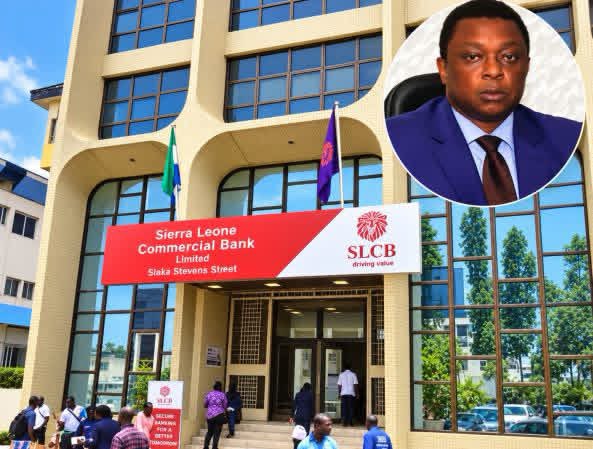

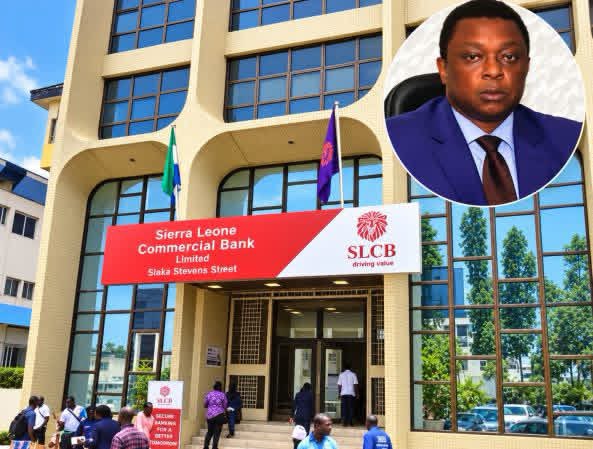
SLCB Becomes First Indigenous Bank in Sierra Leone to Secure ISO/IEC 27001:2022 Certification
The Sierra Leone Commercial Bank Limited (SLCB) has attained the internationally recognized ISO/IEC 27001:2022 Information Security Management System certification, becoming the first indigenous bank in Sierra Leone to achieve the standard.
The certification, issued by MQA Certification UK Ltd, took effect on 30 September 2026 and will remain valid until 29 September 2029, subject to successful surveillance audits during the certification period.
According to SLCB, the certification covers critical areas of its operations, including corporate banking, retail banking, digital banking, risk management, information security and Information Technology operations.
The ISO/IEC 27001:2022 standard provides a structured framework for organisations to manage information-security risks and protect sensitive information. For SLCB customers, the certification means that the bank’s systems and processes for protecting customer information, financial transactions and other sensitive data have been assessed against an internationally recognized information-security management standard.
The achievement comes as financial institutions increasingly rely on digital platforms to deliver banking services, making cybersecurity, data protection and operational resilience critical components of modern banking.
SLCB Managing Director, Yusufu Abdul Silla, has placed technology, digitalization and operational resilience at the centre of the bank’s transformation drive, as the institution continues to modernize its operations and strengthen the security of its banking services.
Chief Information Security Officer of SLCB, Bintu Jonah, described the certification as a major milestone for the bank and its information-security programme.
“I’m honoured to serve as CISO of Sierra Leone’s first indigenous bank to achieve this certification,” Bintu Jonah said.
The ISO/IEC 27001:2022 certification further strengthens SLCB’s efforts to enhance cybersecurity, safeguard customer information and reinforce confidence in its digital banking infrastructure as the financial services sector continues to embrace technological transformation.
The milestone also places greater responsibility on the bank to maintain the required information-security standards throughout the certification period, with surveillance audits expected to assess its continued compliance.