
When the 2025 West African Senior School Certificate Examination (WASSCE) results were unveiled, one stark figure captured the nation’s attention: a sharp decline in English Language pass rates. For thousands of students, English is more than a subject, it’s the key to higher education, meaningful employment, and active participation in national life. Yet, these results sounded an alarm across Sierra Leone, exposing a crisis that threatens the very foundation of the country’s future.
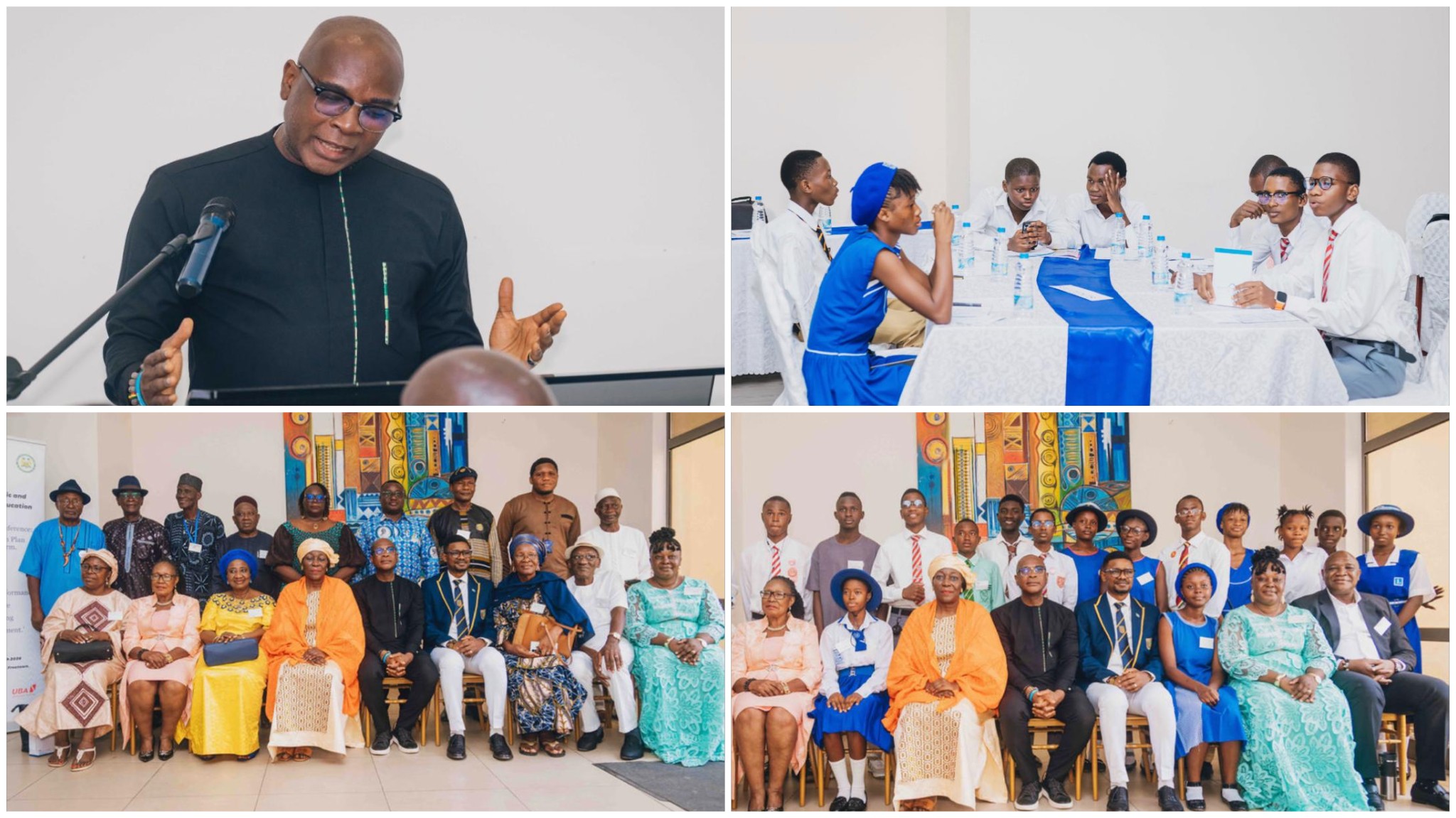
Last month, in a decisive move, the Ministry of Basic and Senior Secondary Education (MBSSE) convened a groundbreaking two-day National Consultative Conference at the New Brookfields Hotel in Freetown, from March 30–31, 2026. This gathering marked a turning point from mere concern to urgent, coordinated action.
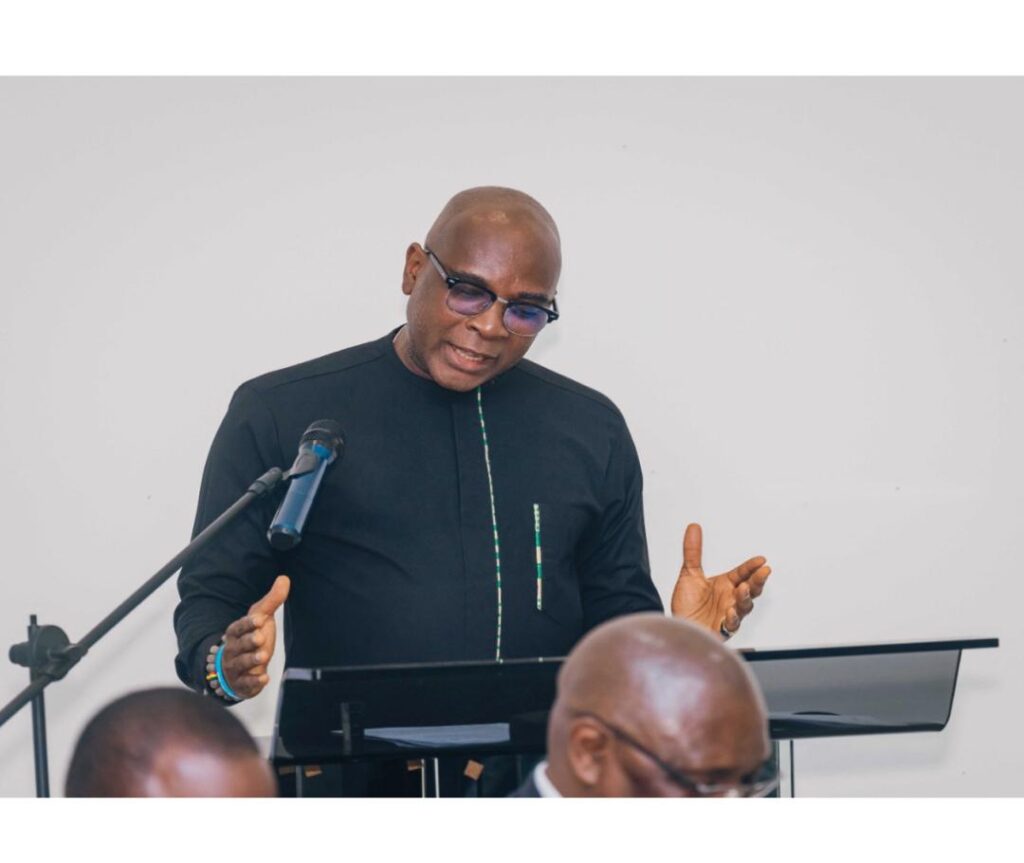
Under the theme “The English Language Performance Crisis: Addressing the Issues Impacting National Development,” the conference produced a bold, actionable roadmap aimed at reversing the downward trend and revitalizing Sierra Leone’s education system. It was a clear declaration: this is a crisis we refuse to ignore.
Rather than dismiss the results as failure, the Ministry framed them as a vital wake-up call.
In his opening remarks, Minister Conrad Sackey described the situation as a “foundational wound,” emphasizing that education remains central to President Julius Maada Bio’s Human Capital Development (HCD) agenda.
“Our most valuable resource is not minerals, but minds,” Sackey declared. “We are not hiding from the numbers. We are owning them, analyzing them, and transforming them into a concrete plan of action.”
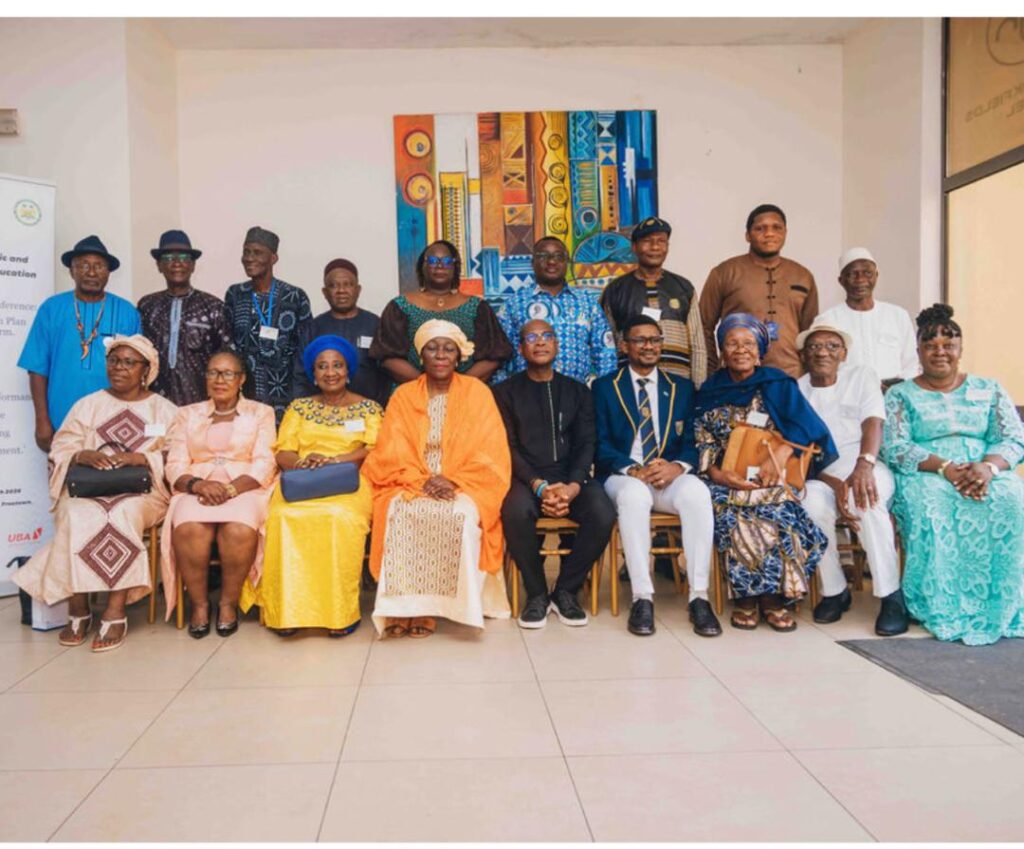
The conference brought together an unprecedented coalitionParamount Chiefs, officials from the Ministry of Technical and Higher Education (MTHE), the West African Examinations Council (WAEC), teachers, students, and development partners united by a shared conviction: Education reform demands collective ownership.
WAEC’s presentation of regionally disaggregated data revealed urgent disparities. The Southern Region’s low pass rates and Pujehun District’s alarmingly high failure figures were identified as pilot areas for targeted intervention. Even the Western Area’s average performance served as a stark reminder: no district can afford complacency.
Participants delved into the deeper roots of the crisis. A startling statistic from 2014 showed that 97.4% of Primary 2 pupils could not recognize a single letter sound a sobering reminder that today’s exam challenges originate in early classrooms. The Ministry reaffirmed its commitment to early-grade literacy through the ongoing Free Quality School Education (FQSE) program, designed to close these foundational gaps.
The roadmap agreed upon rests on five strategic pillars: data-driven diagnosis, immediate remedial support, reforms to higher education admissions, long-term teacher development, and rigorous monitoring and accountability
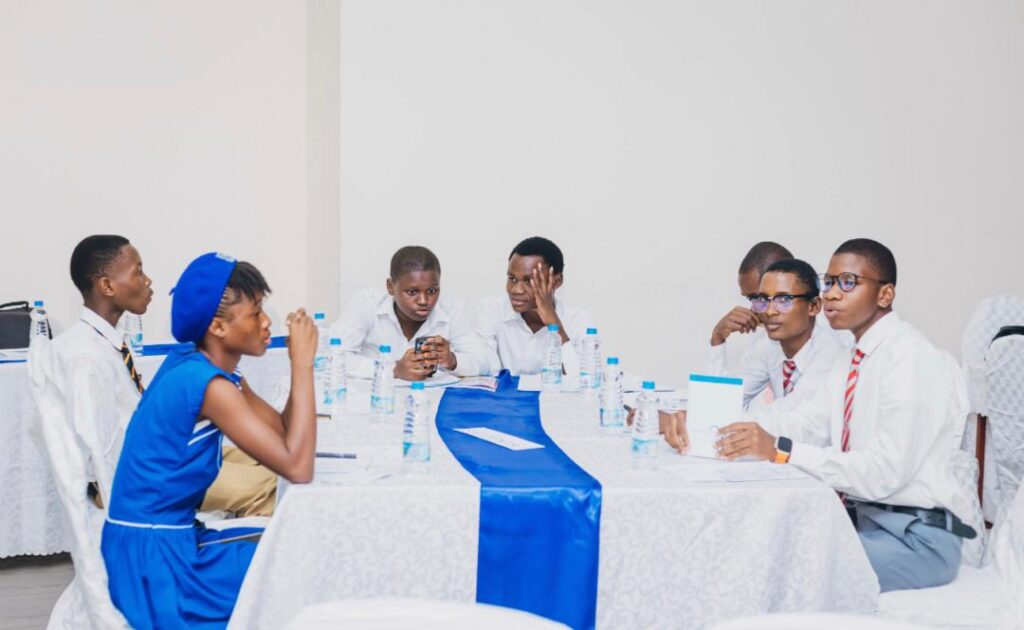
A particularly promising development addressed the plight of the “stranded” 2025 cohort students who passed other subjects but failed English. In collaboration with MTHE, the Ministry is finalizing pathways that will enable these students to access tertiary education while receiving intensive English remedial support.
As the conference drew to a close, Minister Sackey delivered a rallying cry:
“We are not here to make excuses. We are here to make history.”
The private sector is also stepping up to play a vital role in this national effort. Recognizing the importance of English proficiency for economic growth, several businesses and organizations are partnering with the government to foster innovative solutions. From establishing after-school programs and digital learning platforms to providing training and resources for teachers, private sector actors are complementing government initiatives to improve literacy and language skills. These collaborations aim to create sustainable, scalable interventions that reach underserved communities and empower students with the language skills necessary for the modern economy. Their active involvement underscores a shared commitment to transforming Sierra Leone’s educational landscape and ensuring that no student is left behind in this critical journey.
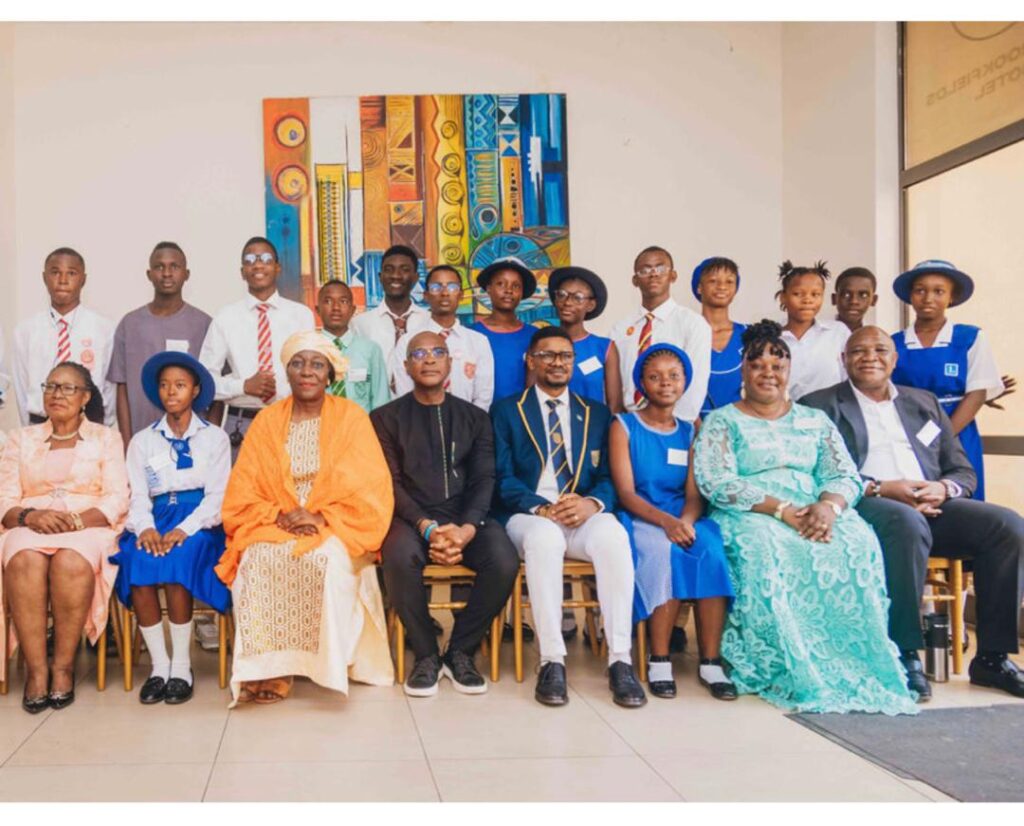
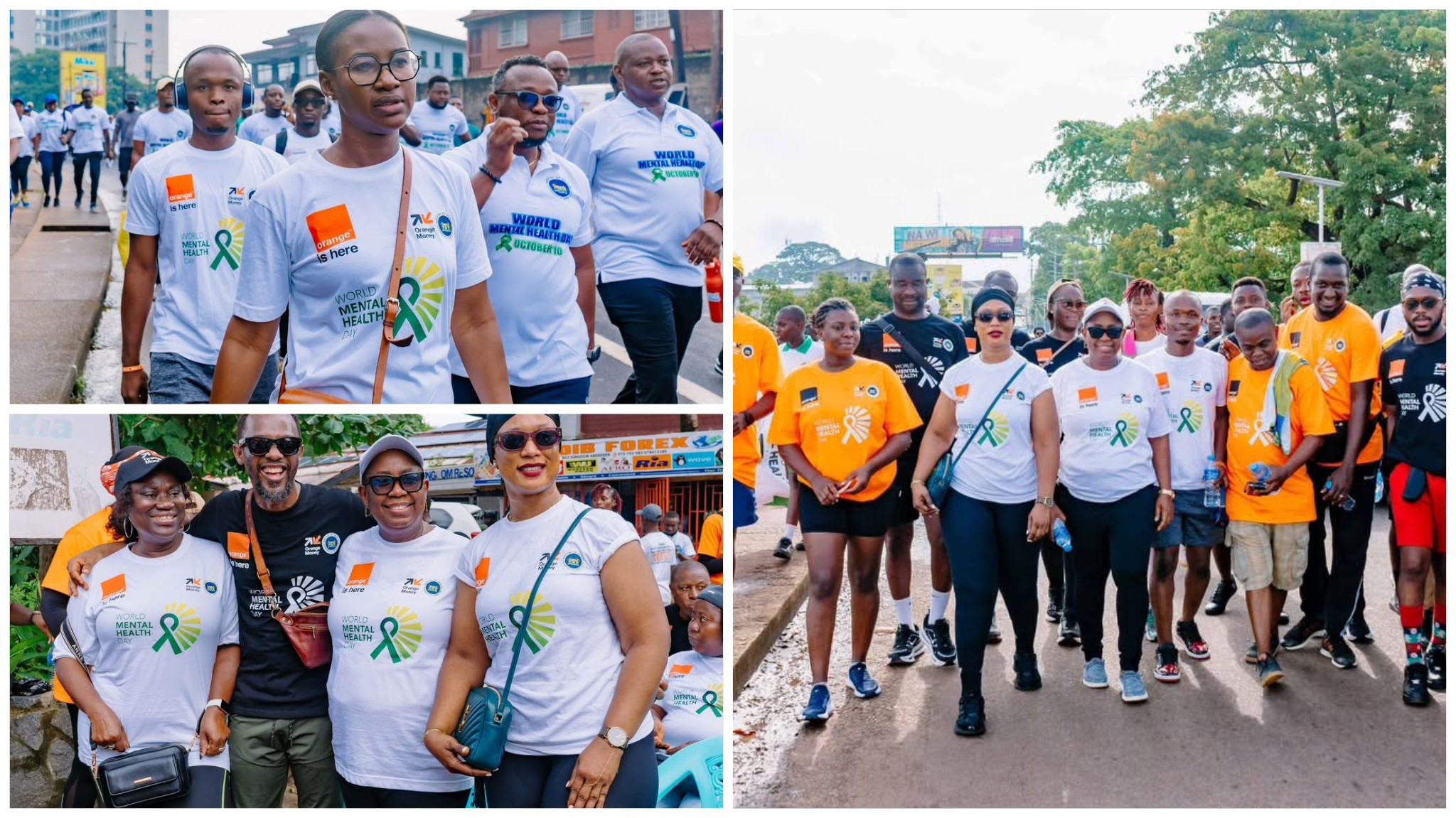
With the unwavering support of HCD Plus, UBA, the Orange Foundation, and other partners, the roadmap forged at New Brookfields signals a renewed national commitment. Sierra Leone is turning a troubling exam result into a catalyst for transformation an opportunity to rebuild, reform, and elevate English language education as a cornerstone of the country’s future.