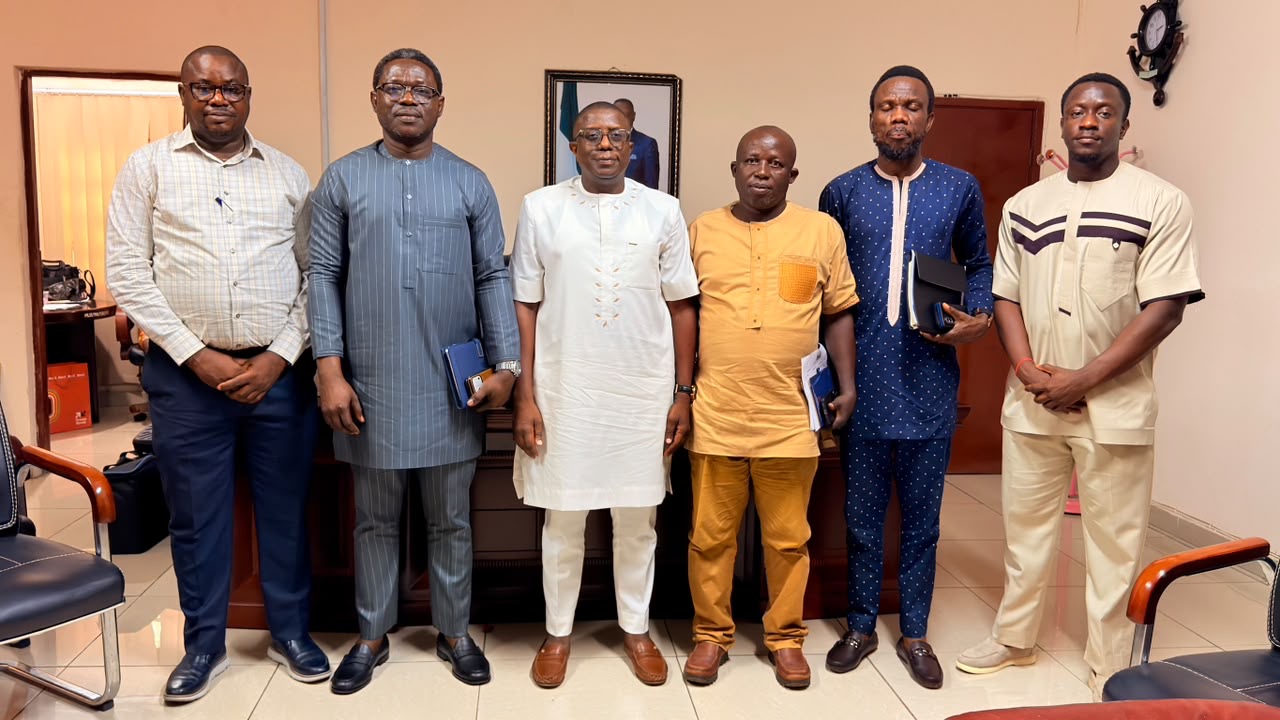

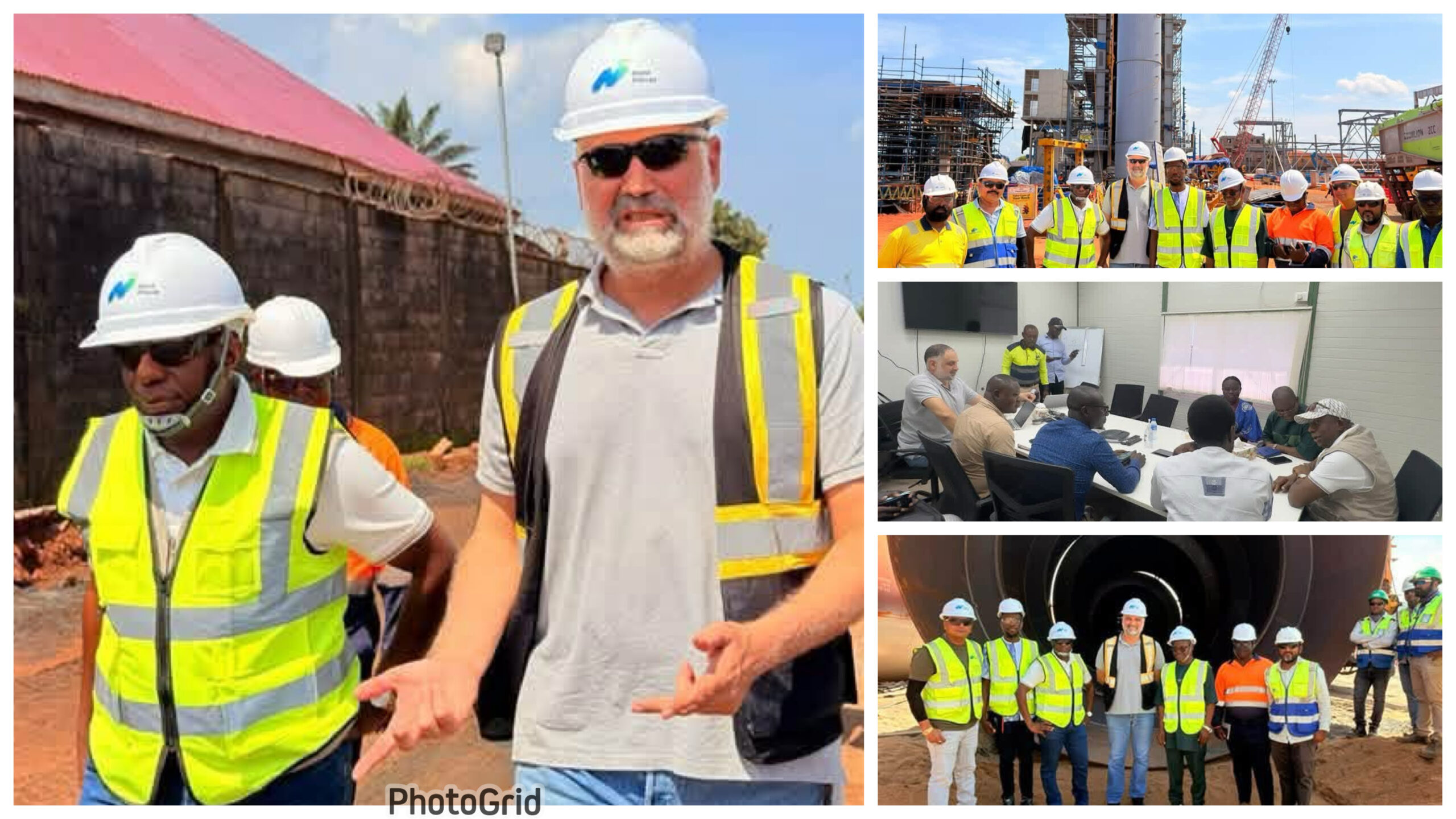
Freetown, October 30, 2026—The Ministry of Employment, Labour and Social Security has reaffirmed its commitment to promoting decent work, protecting workers’ rights and ensuring safe working conditions during a visit to the 108.4-megawatt power project in Kissy, Freetown.
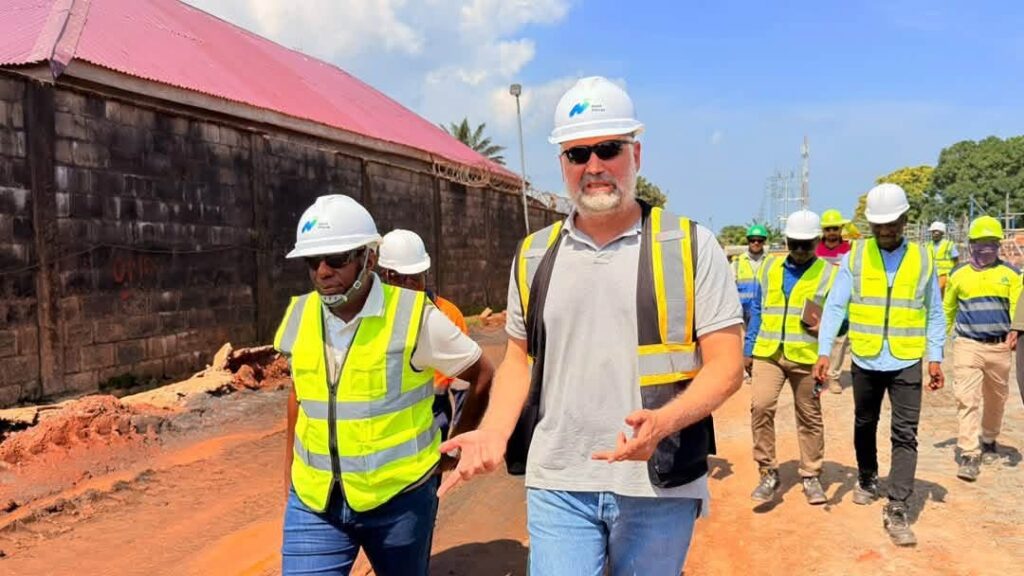
The visit was aimed at giving the Ministry’s leadership first-hand insight into the project’s progress, employment arrangements, workplace safety standards and the general welfare of workers at the construction site.
Speaking during the visit, Minister Umaru Napoleon Koroma, emphasised that the Ministry’s responsibility extends beyond ensuring that workers earn a living to guaranteeing that they work in safe and decent environments. He noted that direct engagement with employers and visits to workplaces are essential to understanding the challenges workers face and ensuring compliance with labour standards.
He described the power project as a significant investment in Sierra Leone’s development, particularly in addressing the country’s longstanding electricity challenges. He further explained that the Ministry attached great importance to the project and was interested in understanding its progress while identifying opportunities for collaboration to support its safe and timely completion.
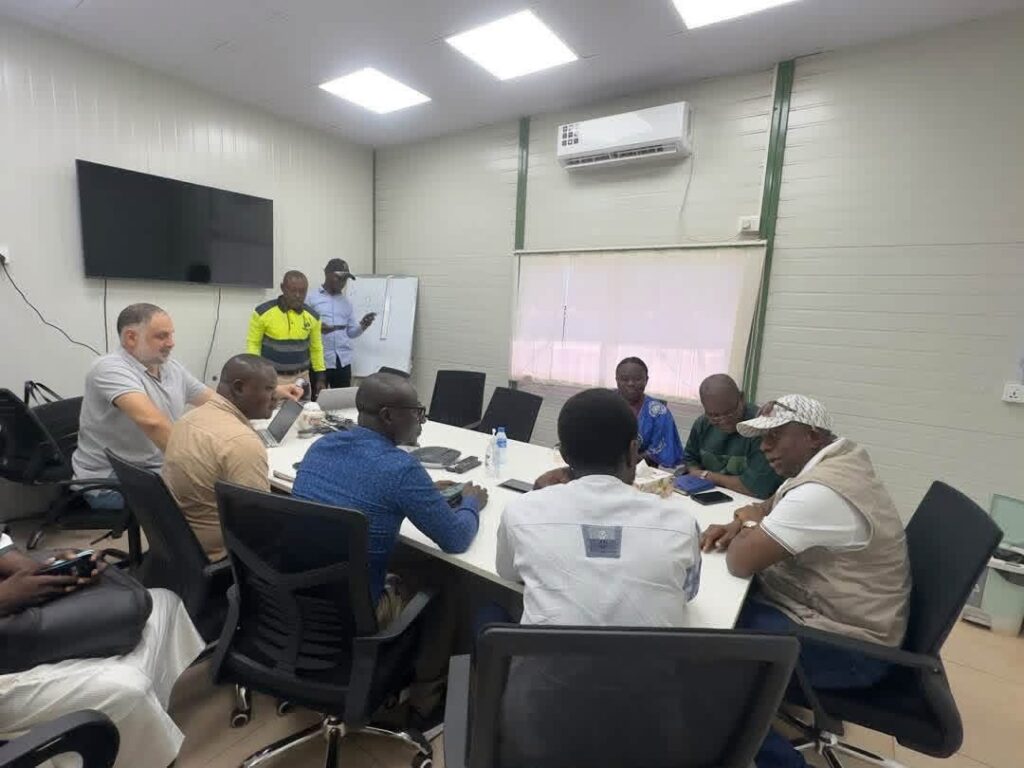
During a presentation, Karim Nasser, Executive Chairman of Nants Energy Project described the facility as a 108.4-megawatt combined-cycle power plant designed to increase electricity generation capacity in Sierra Leone. He explained that the project was being developed through a partnership between two companies, with one holding a 72% stake and the other holding 28%.The ownership structure is expected to change upon completion of construction.
He described the project as a major private-sector investment, noting that it was financed without a government guarantee. He added that the investment was substantial in relation to Sierra Leone’s economy, representing approximately 4% of the country’s gross domestic product.
According to Nasser, the project has secured US$292 million in financing from the United States International Development Finance Corporation, alongside US$120 million in insurance support. The ECOWAS Bank for Investment and Development has also contributed US$40 million. The project’s financing structure received international recognition through an IJGlobal award in 2024.
On employment, he highlighted the project’s commitment to local participation and women’s inclusion in the construction workforce. He reported that approximately 700 workers were involved in the project and that women accounted for close to 20% of the construction workforce, which he described as a notable achievement in an industry where female participation remains relatively limited.
The project incorporates Siemens technology and currently operates on propane, with plans to transition to natural gas in the future, subject to the necessary arrangements. The representative explained that the combined-cycle system improves efficiency by using gas turbines to generate electricity and recovering the heat produced during the process to generate steam, which drives an additional turbine to produce more electricity.
He disclosed that Siemens would be responsible for the facility’s operations and maintenance, while Shapoorji Pallonji is undertaking the engineering, procurement and construction contract.
Providing an update on construction, he informed the Ministry that construction commenced in August 2025, and the project is contractually scheduled for completion by the end of August 2027.
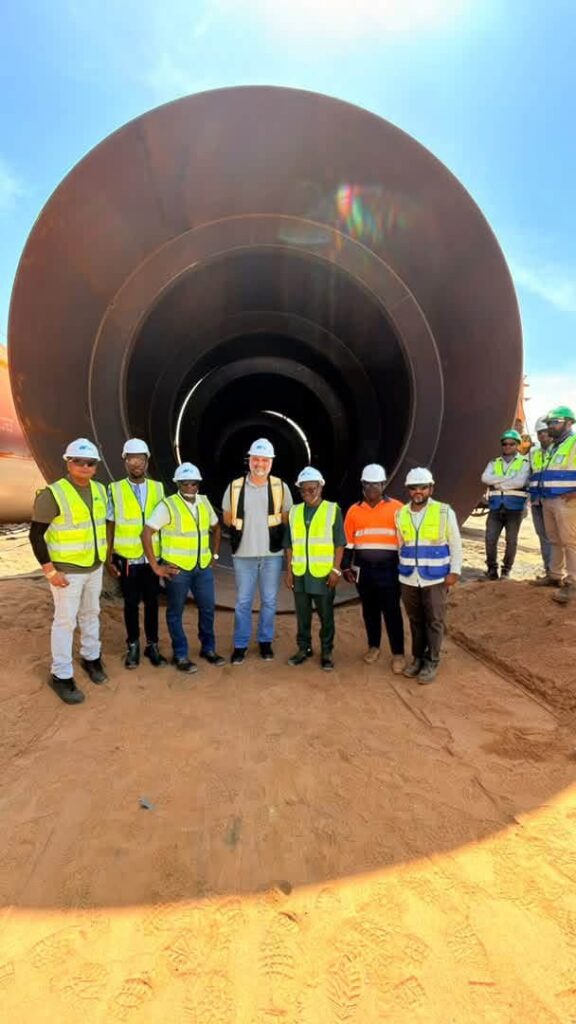
The delegation from the Ministry was scheduled to undergo a safety induction before embarking on a guided tour of the facility to observe the construction activities, equipment and infrastructure.
The visit underscores the Ministry’s commitment to strengthening engagement with employers, monitoring working conditions and promoting compliance with labour standards across major development projects in Sierra Leone. It also reinforces the importance of ensuring that national investments deliver not only economic and infrastructural benefits but also safe working environments and decent employment opportunities for workers.
*Comminications Unit*
*MELSS*