
The Deputy Vice Chancellor of the Institute of Public Administration and Management (IPAM), Professor Ezekiel Duramany Lakkoh, has highlighted the importance of stronger regional academic partnerships, institutional collaboration and youth development following a recent visit to Monrovia, Liberia.
Professor Lakkoh said the visit provided an opportunity to engage in discussions on academic leadership, research, postgraduate education, institutional partnerships and the role of young Africans in shaping the continent’s future.
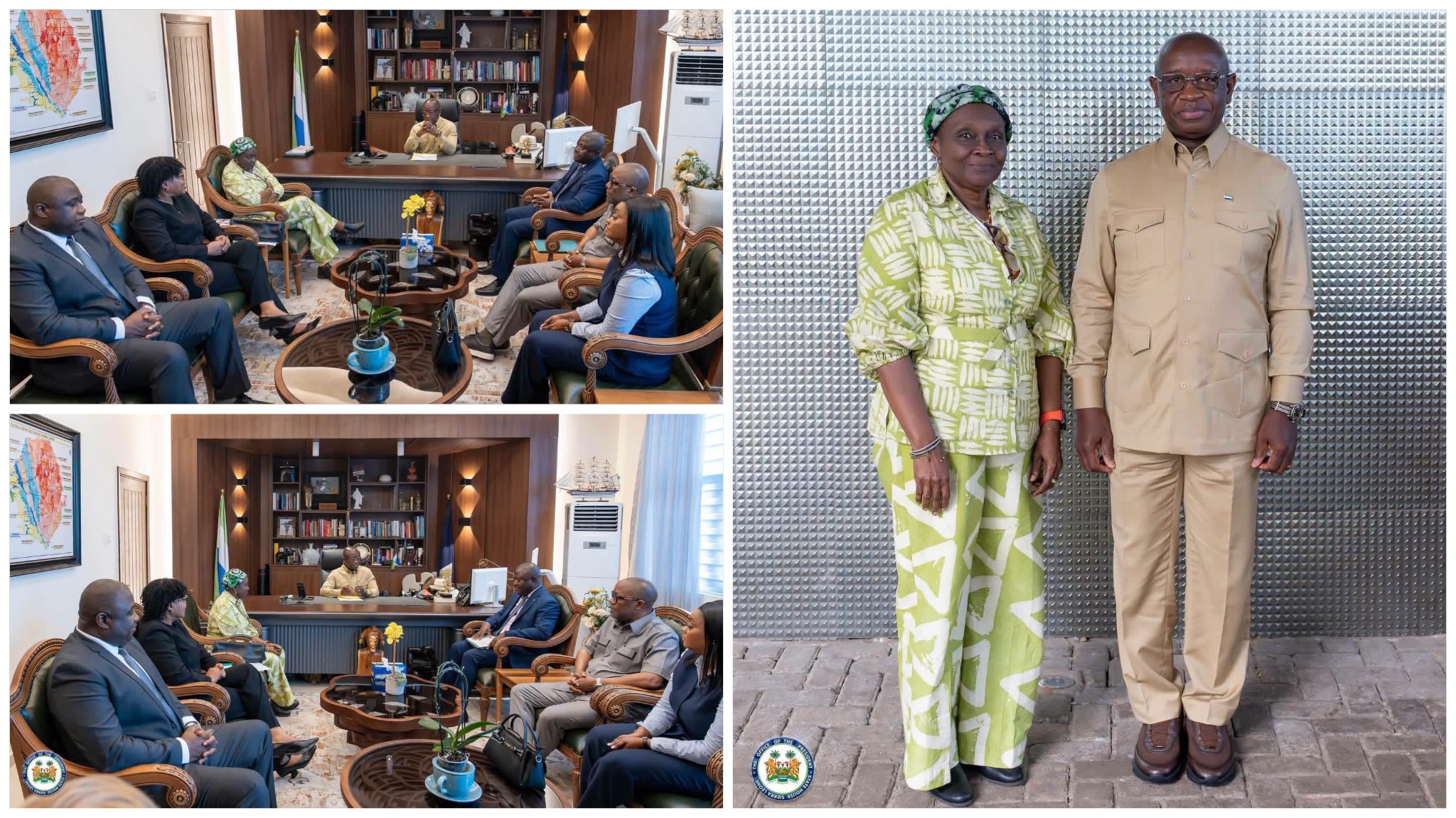
During the visit, he participated in four major engagements: the West Africa Academic Leadership Meeting; a partnership meeting with the Liberian Institute of Public Administration (LIPA); a partnership and Memorandum of Understanding (MoU) review meeting with African Methodist Episcopal University (AMEU); and the 6th Session of Model United Nations Liberia (MUN-Liberia) 2026, where he served as a guest speaker.
Strengthening Academic Collaboration
At the West Africa Academic Leadership Meeting, academic and institutional leaders discussed ways of strengthening higher education across the region and creating greater opportunities for students, researchers and professionals.
Professor Lakkoh said discussions focused particularly on joint consultancy and research initiatives, as well as opportunities for collaborative PhD programmes that could strengthen research capacity and promote academic mobility across West Africa.
He stressed the need for African institutions to move away from isolated approaches and build stronger partnerships that encourage knowledge exchange, research collaboration and cross-border academic opportunities.
Expanding Institutional Partnerships
His engagement with LIPA focused on strengthening institutional cooperation and identifying areas for joint academic, professional and research initiatives.
The discussions explored collaboration in consultancy, research and capacity development, with Professor Lakkoh noting that universities and public-sector institutions could combine their expertise to address governance, leadership and development challenges.
At AMEU, he participated in a partnership and MoU review meeting aimed at assessing existing areas of cooperation and identifying opportunities to expand collaboration.
The discussions included joint research, consultancy and collaborative postgraduate programmes, including potential joint PhD programmes.
Professor Lakkoh emphasised that institutional partnerships should go beyond the signing of agreements and produce tangible benefits for students, academics, professionals and communities.
Lakkoh Challenges Young Africans to Build a Better Future
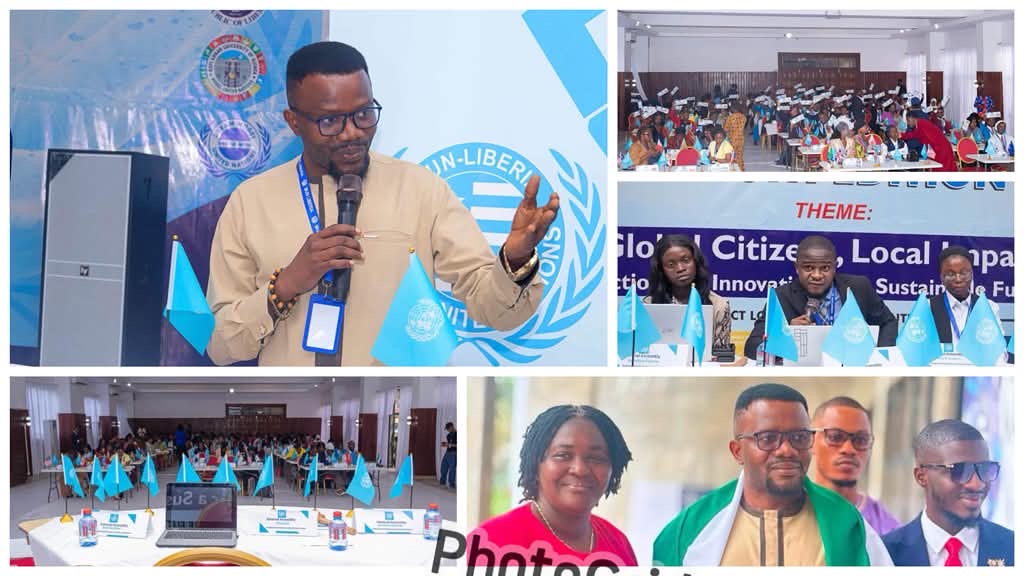
A major highlight of the Liberia visit was Professor Lakkoh’s participation as guest speaker at the opening of MUN-Liberia 2026.
Addressing young participants, he encouraged them to look beyond national borders and take advantage of opportunities to compete, learn, collaborate and build professional networks across Africa.
He urged young Africans to play a more active role in addressing the continent’s development challenges, arguing that quality education, entrepreneurship, employment opportunities and stronger regional integration are essential to unlocking the potential of Africa’s growing youth population.
Professor Lakkoh also challenged young Africans to focus less on repeatedly attributing the continent’s current challenges to its colonial past and instead concentrate on practical steps that can be taken to build stronger institutions and productive economies.
“To avoid migration issues, we must build economies that create opportunities. If we strengthen institutions, invest in education and entrepreneurship, improve regional integration, and create dignified employment, migration becomes a choice, not a survival strategy.”
Over 1,000 Participants Attend MUN-Liberia 2026
More than 1,000 participants attended the 2026 edition of MUN-Liberia, a two-day conference designed to expose young people to diplomacy, international relations, negotiation, leadership and collaborative problem-solving.
The event included 250 delegates from different countries who were assigned to six specialised committees: the United Nations Security Council, UN Women, UNICEF, UNDP, UNFCCC and UNFPA.
Professor Lakkoh said the level of participation demonstrated growing interest among young Africans in international affairs and leadership, while underscoring the importance of providing young people with platforms to develop practical skills and engage with peers across national and cultural boundaries.
He encouraged the delegates to view themselves not merely as beneficiaries of development but as partners, innovators, decision-makers and builders of Africa’s future.
Building a More Connected Africa
Reflecting on his visit, Professor Lakkoh said Africa’s development would depend significantly on the strength of connections among its institutions, researchers, governments, professionals and young people.
He called for greater collaboration among academic institutions, increased cross-border research, joint postgraduate programmes, stronger public-sector partnerships and wider professional networks for young Africans.
According to him, Africa possesses enormous human and intellectual resources, but these can only be fully harnessed when institutions and countries create systems that allow people to learn from one another, collaborate and access opportunities across borders.
Professor Lakkoh described his Monrovia visit as more than a series of meetings, saying it contributed to a broader conversation on how African institutions can work together to strengthen knowledge, build capacity and create opportunities for the next generation.
He concluded that Africa’s future would be shaped by the quality of its institutions, the strength of its partnerships and the opportunities available to its young people.
“The work of building a more connected, educated, innovative and prosperous Africa is not a task for tomorrow. It is a responsibility we must embrace today,” he said.