
By Sununu The Oracle
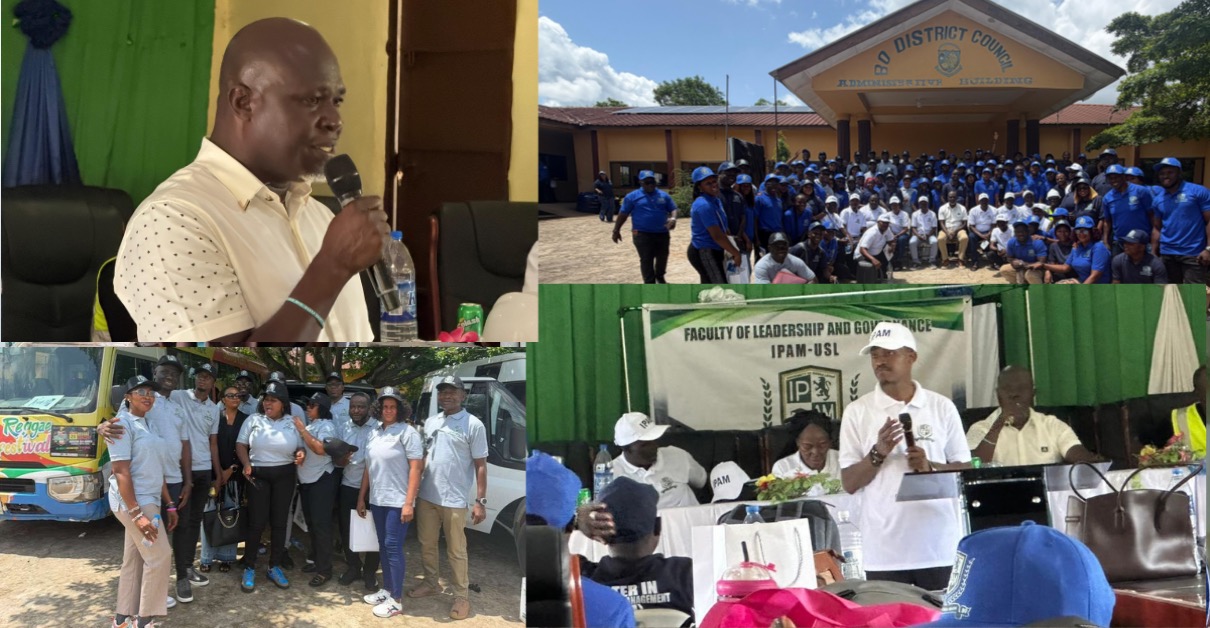
The Institute of Public Administration and Management (IPAM), University of Sierra Leone, has concluded a two-day field trip to Bo City for Master’s students as part of efforts to bridge classroom learning with practical experience in local governance and public administration.
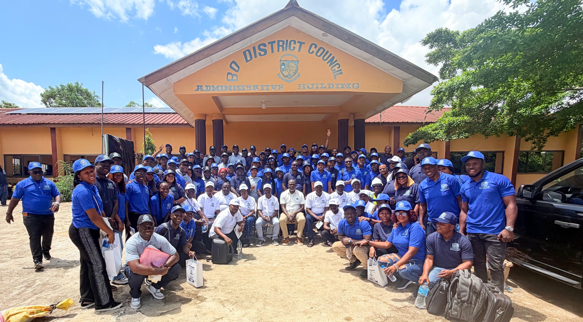
The excursion, held from June 12 to 13, involved students from the Master of Governance and Leadership, Master of Public Administration, and Master of Development Management programmes. The visit took participants to both the Bo District Council and the Bo City Council, where they engaged directly with officials on governance operations, challenges, and reform initiatives.
Day One: Council Operations and Governance Challenges
The delegation departed Tower Hill in Freetown on April 11 and upon arrival in Bo, made its first stop at the Bo District Council. Students were received by the Council’s Information and Communications Officer, Alusine Bangura, alongside the Council Accountant and other senior staff.
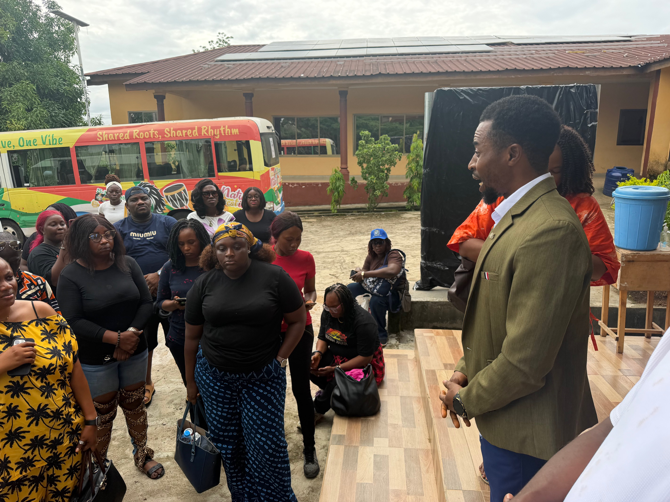
During the engagement, Bangura outlined the council’s mandate, its role in service delivery, and its current operational performance. He highlighted key achievements while acknowledging ongoing challenges, particularly in funding and infrastructure.
He also conveyed apologies on behalf of the Council Chairman, who was unable to attend due to an urgent engagement after earlier waiting to receive the delegation.
“We want you to understand both our successes and our constraints,” Bangura told the students. “Local government is about service, but it is also about managing limited resources.”
The delegation later visited Bo City Council, where they met the Chief Administrator, Mr. Powell, Environmental Officer Reverend Daniel Gevao, and Dr. Koroma.
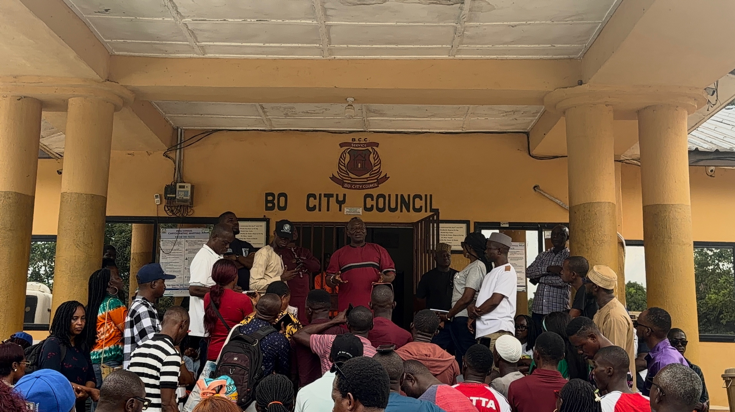
Officials provided detailed explanations of the council’s functions and responded to questions from both students and lecturers. Discussions also examined the working relationship between the City and District Councils, highlighting areas of cooperation as well as institutional challenges.
Day Two: Policy Dialogue and Reform Initiatives
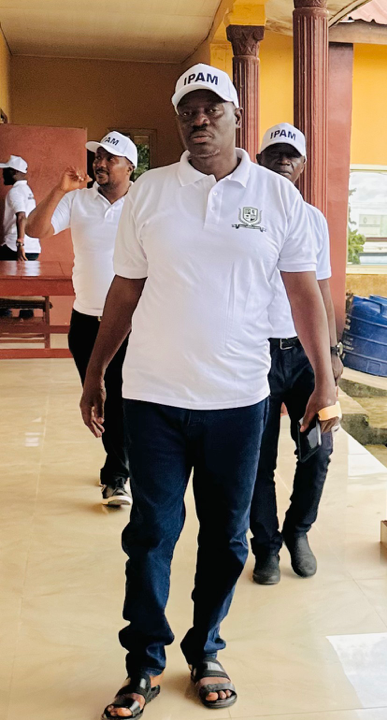
The second day focused on policy engagement and governance innovation. The IPAM delegation was led by Dr. Anthony Swarray Domawa, Dean of Faculty, and included Head of Department Ishmail Bangura, Mrs. Fatmata Bintu Kamara, Dr. Moinina, Reverend Daniel Gevao, Commissioner and Lecturer Alhaji Dauda Bangura, among other faculty members.
The team had also expected to host businessman and politician and Businessman Hon. Alhaji Musa Tarawally, an aspirant for the Sierra Leone People’s Party 2028 flagbearer position, as well as former ECOWAS Parliament Speaker Hon. Sidie Mohamed Tunis, who is also seeking the party’s presidential ticket. However, both were absent due to emergency commitments and pledged to engage the students at a later date.
The Mayor of Bo City, His Lordship Kobba Musa delivered the keynote address, attributing the council’s stability to deliberate efforts aimed at promoting transparency, administrative openness, and tolerance for opposition voices within the council.
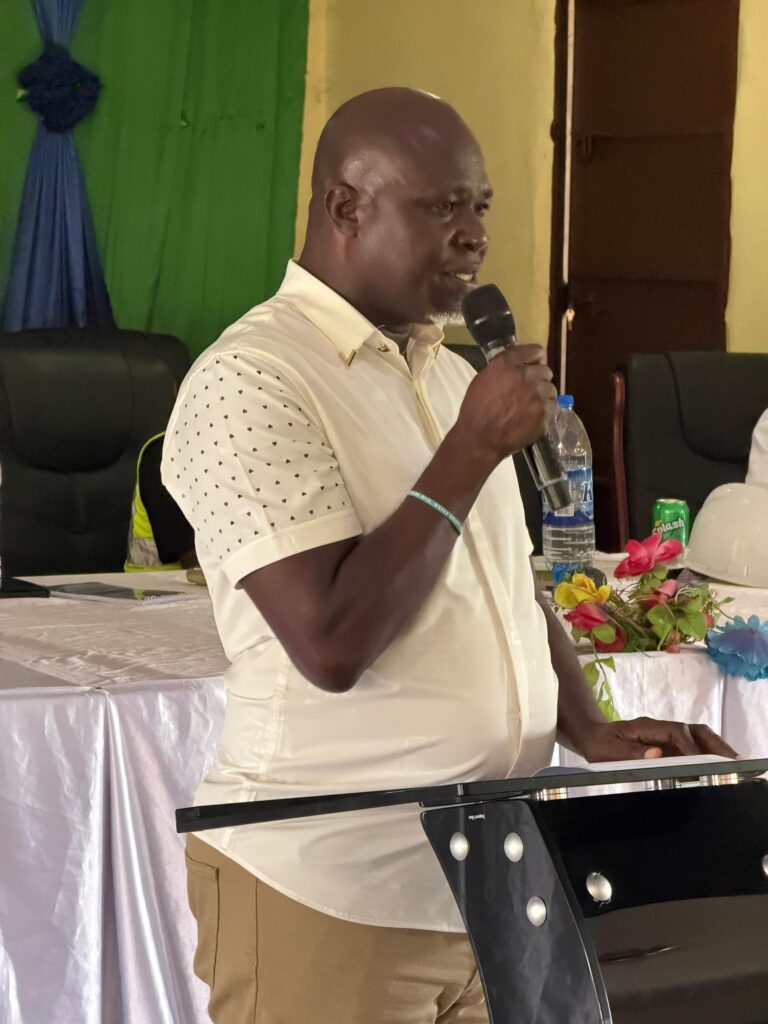
“Politics must not derail service delivery,” the Mayor stated. “We encourage questions, we allow debate, but we remain focused on the people of Bo.”
Mr Mohamed A Ngavoa, the Environmental expert also provided historical insight into the council’s structure and explained the recent re-demarcation of wards and sections. He further detailed the council’s collaboration with Members of Parliament, Paramount Chiefs, and both local and international non-governmental organisations.
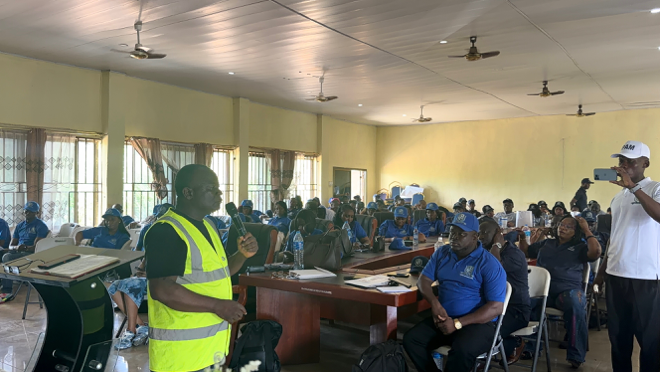
On environmental management, officials outlined a flood mitigation strategy covering all 68 communities under the council’s jurisdiction. They noted that youth groups have been trained as whistleblowers to monitor solid waste violations, while registered tricycle riders now operate under a formalised waste collection system.
In a significant development, the Mayor disclosed that Bo City Council is currently in discussions with Kenema City Council to establish a joint solid waste disposal site, which is expected to also serve as a renewable energy source for both cities.
He further announced plans to introduce a fully digital property registration and taxation system aimed at improving efficiency and reducing corruption.
“It will be ICT-based and non-human generated to eliminate nepotism and corruption,” the Mayor explained.
Student Participation and Closing Ceremony
Students actively participated throughout the sessions, raising questions and engaging in discussions with council officials and lecturers. Both faculty members and local authorities agreed that the interactive format significantly strengthened the learning process.
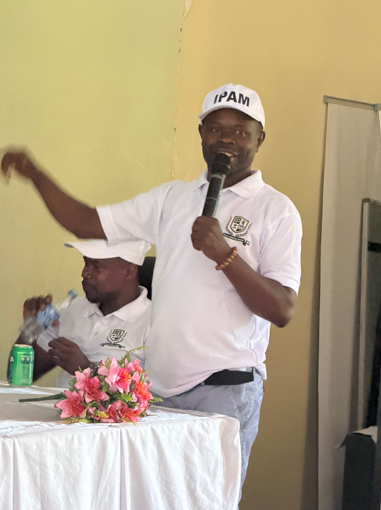
According to Alhaji Dauda Musa Bangura, field trips remain a core component of IPAM’s professional training model, helping students connect theoretical concepts with practical realities in governance and administration.
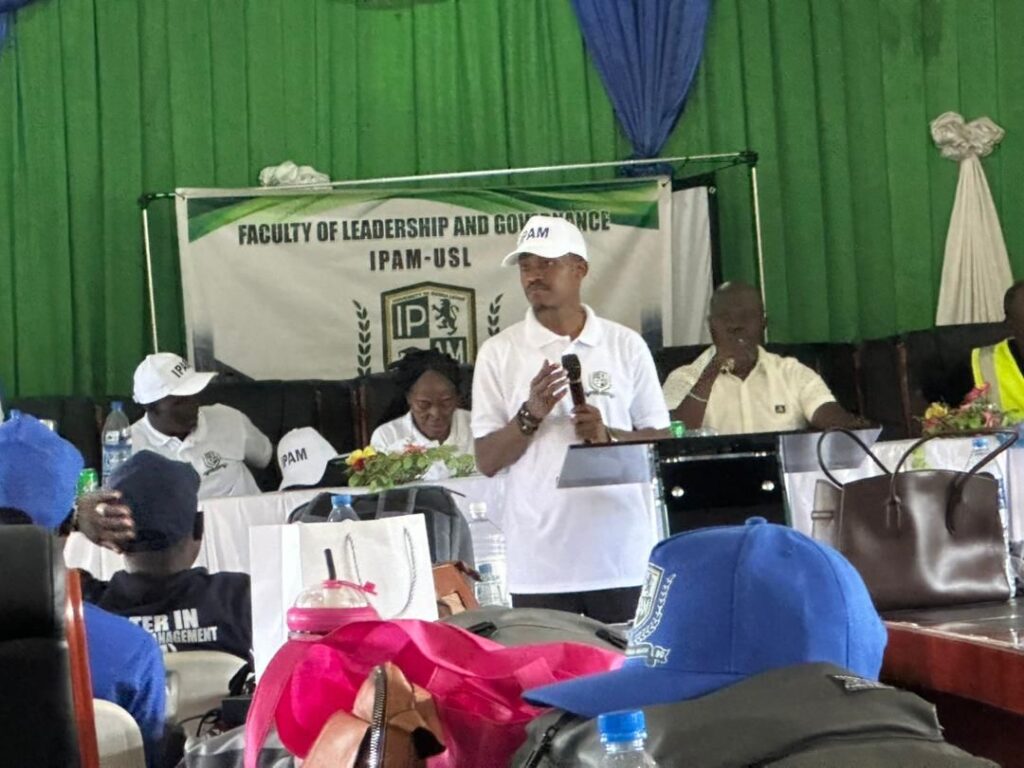
Stakeholders commended the University for the initiative and expressed interest in strengthening future collaboration.
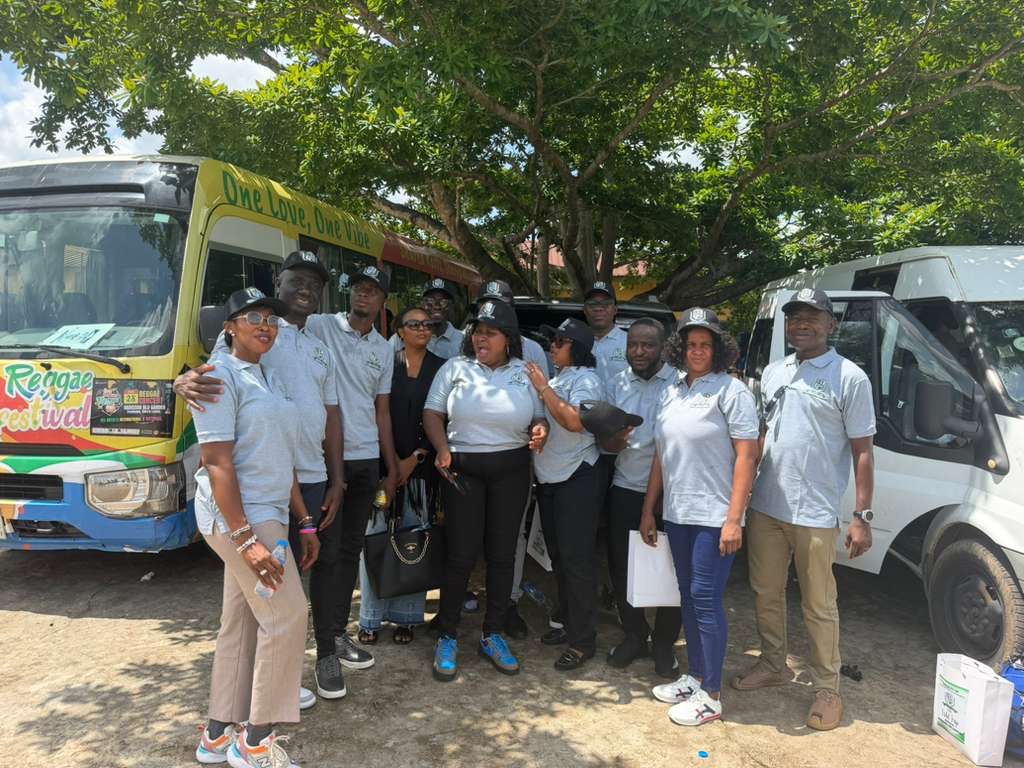
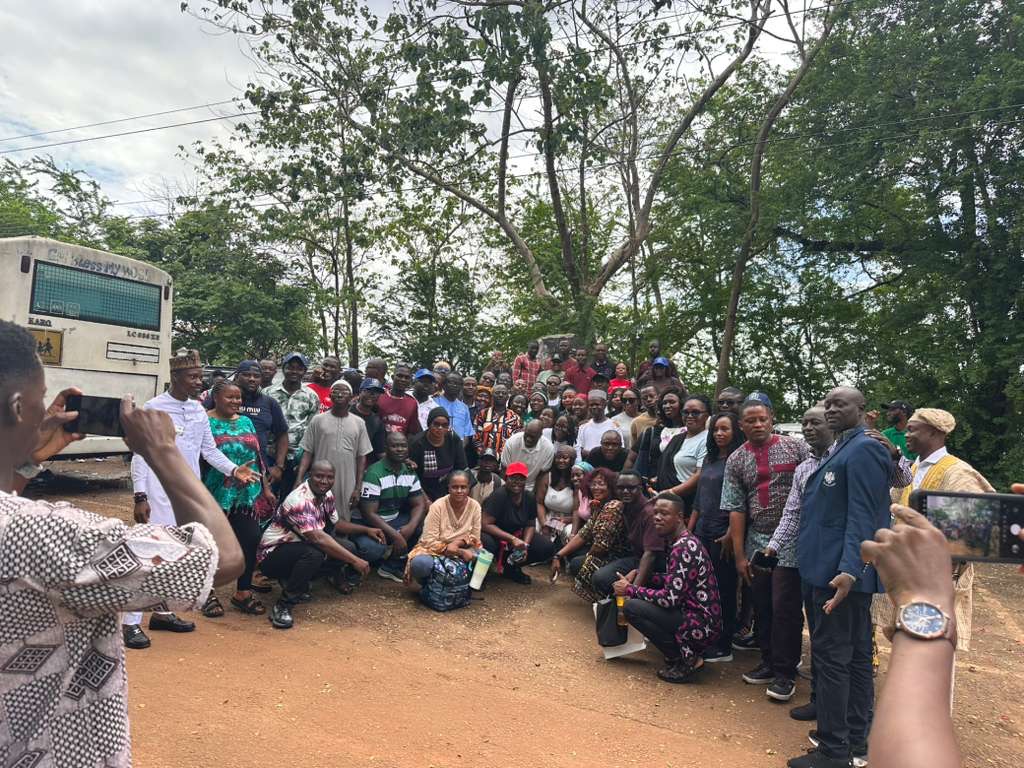
The programme concluded with closing remarks delivered by student Magdalene Bangura, followed by refreshments and group photographs involving students, lecturers, and council officials before the delegation returned to Freetown.
Under the Local Government Act of 2004, local councils in Sierra Leone are mandated to drive decentralisation, service delivery, and community development making such engagements critical for preparing the next generation of public sector leaders.
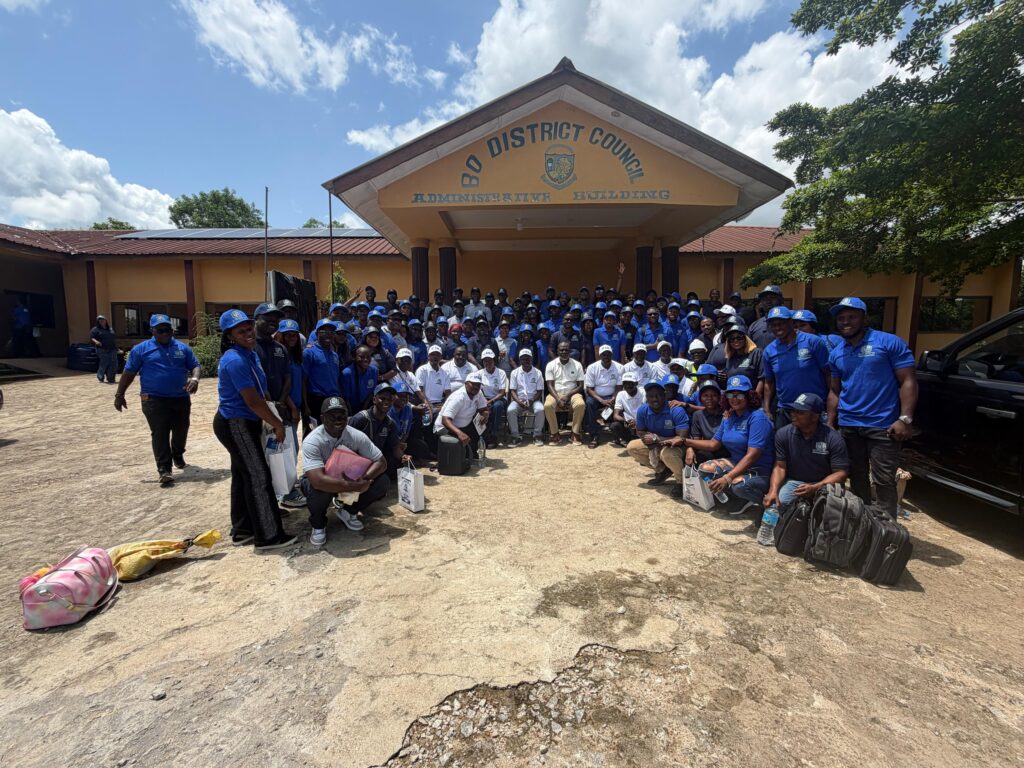
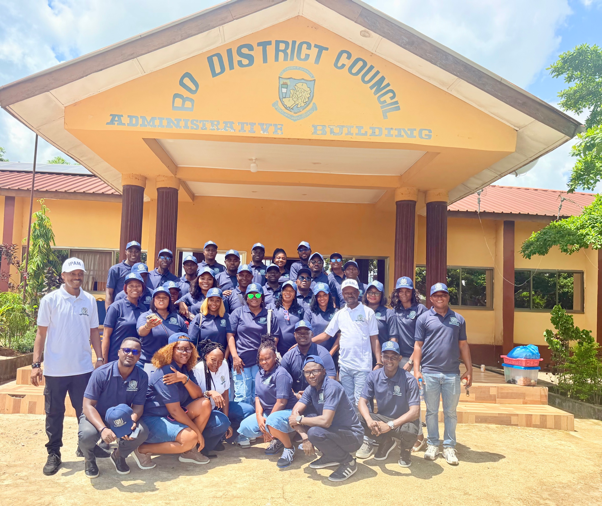
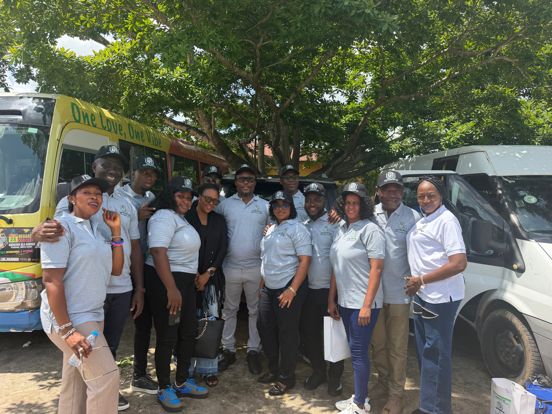
Mrs. Fatmata Bintu Kamara Head of Department Public Sector with cross section of Leadership and Governance master’s Student