

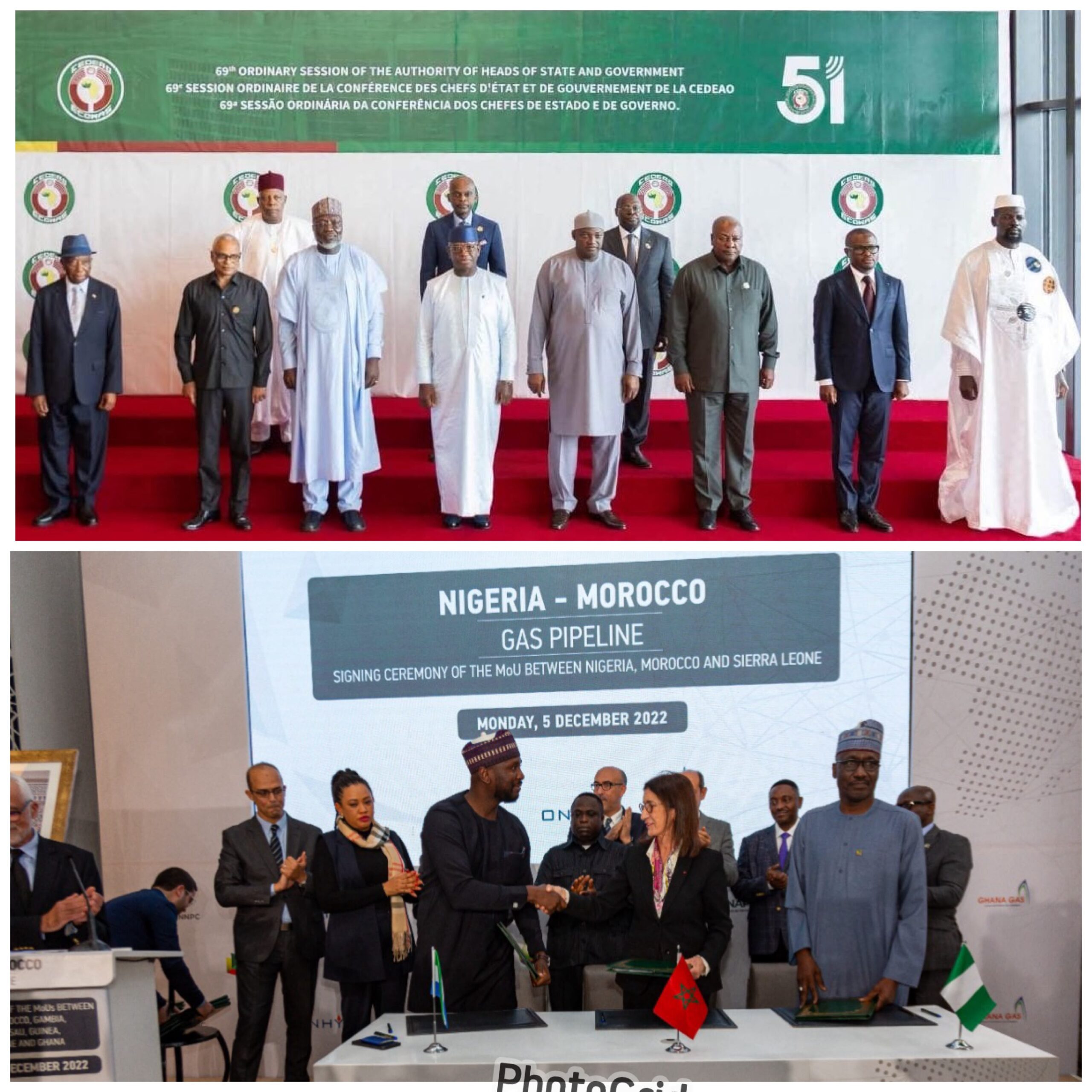
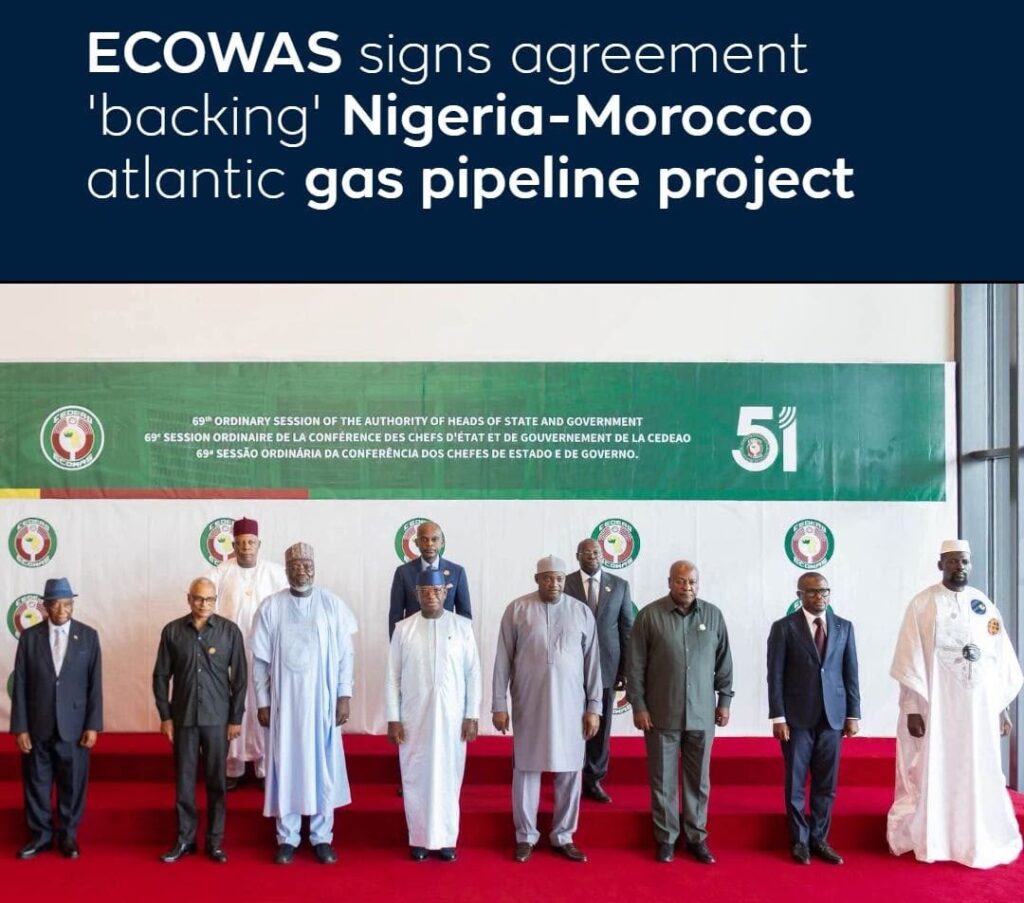
Sierra Leone has signed the Intergovernmental Agreement for the African Atlantic Gas Pipeline Project during the 69th Ordinary Session of the ECOWAS Authority of Heads of State and Government held in Lungi, marking a major milestone in one of Africa’s most ambitious regional energy initiatives.
https://owlpress-sl.com/wfp-request-for-expression-of-interest-eoi-26-05-for-women-led-enterprise-identification-to-manage-medium-sized-food-processing-facility-complementary-foods-in-makeni/
The agreement was signed on Sunday, July 19, 2026, during the summit hosted by Sierra Leone under the Chairmanship of President Dr. Julius Maada Bio.
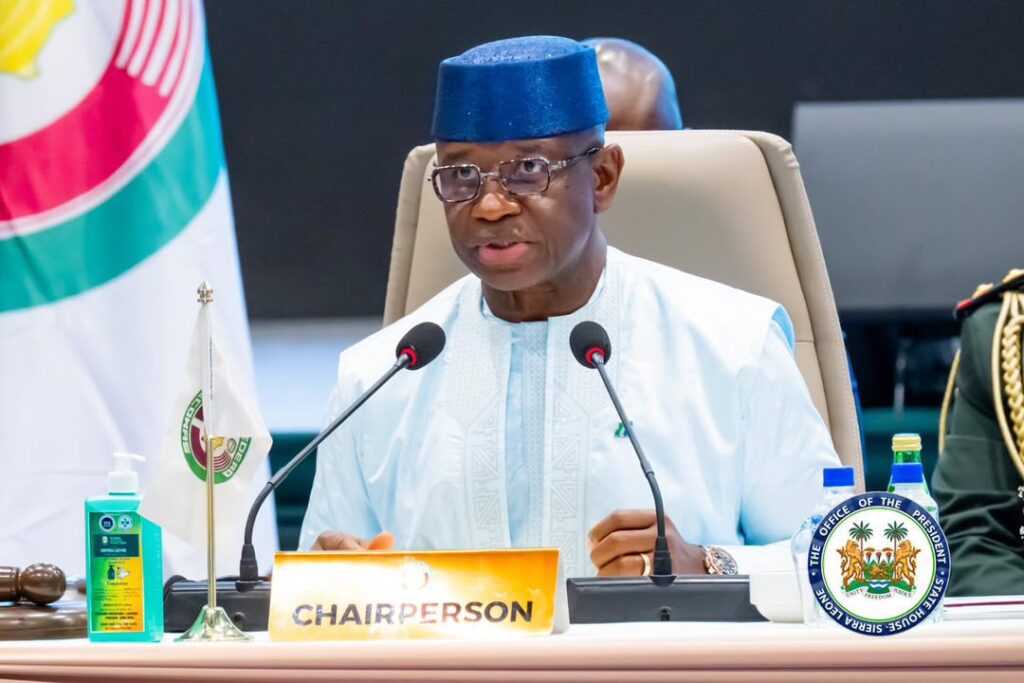
The African Atlantic Gas Pipeline Project is a proposed 6,900-kilometre hybrid offshore and onshore pipeline that will transport natural gas from Nigeria to Morocco, passing through 13 coastal countries, including Sierra Leone.
The pipeline will supply natural gas to ECOWAS Member States and Mauritania, with the potential to extend exports to European markets.
Estimated to cost US$25 billion, the project will have the capacity to transport up to 30 billion cubic metres of natural gas annually, making it one of the world’s longest gas pipeline systems upon completion.
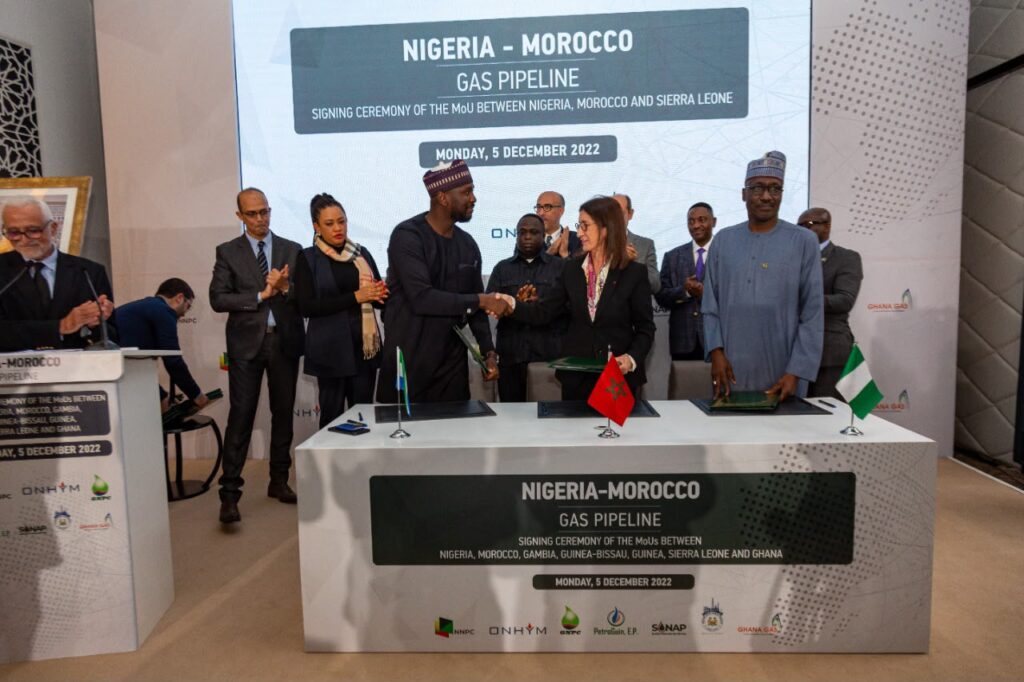
Speaking after the signing, President Bio described the agreement as a transformative moment for Africa’s energy future.
“For generations, the Atlantic has carried Africa’s wealth away from our shores. With this Agreement, we turn the tide. This pipeline will carry energy, opportunity and prosperity along our coastline, from West African soil to West African homes and industries,” he said.
The President added that Sierra Leone was proud to host the historic agreement, noting that it reflects the country’s commitment to regional integration, energy security and shared prosperity while demonstrating ECOWAS’ ability to deliver practical development projects.
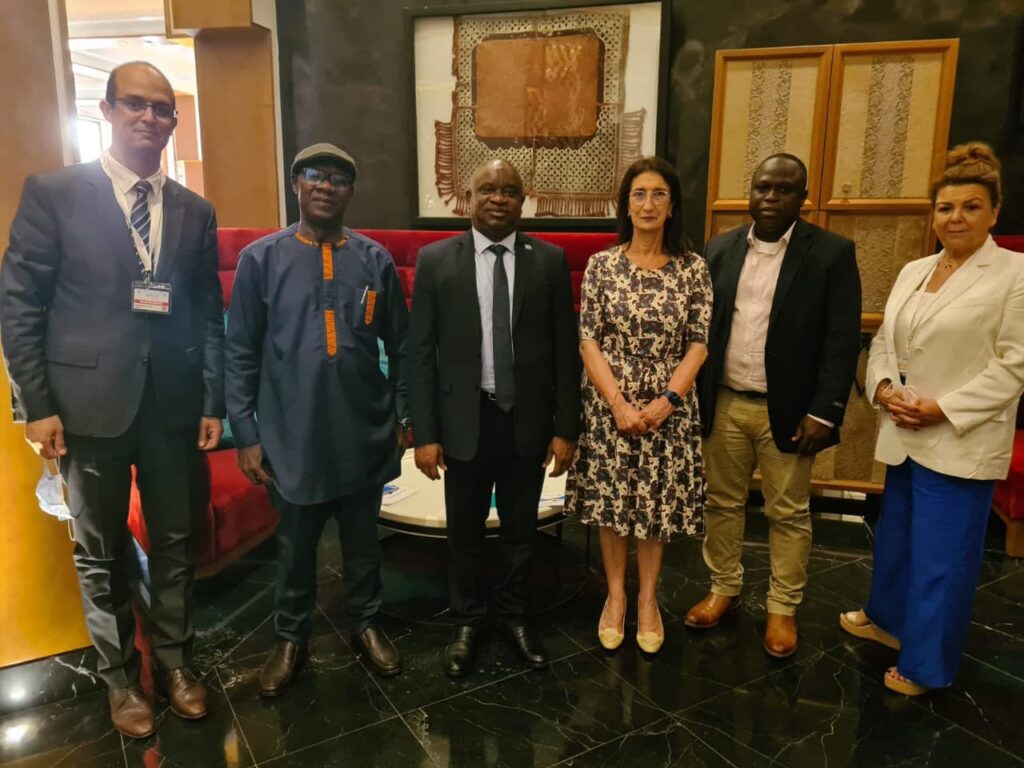
According to the Petroleum Directorate of Sierra Leone (PDSL), the agreement is the result of four years of sustained diplomatic engagement, technical cooperation and strategic planning. Sierra Leone formally joined the initiative in 2022 by signing a Memorandum of Understanding and has since actively participated in ministerial and technical negotiations that shaped the project’s legal and institutional framework.
Director General of the Petroleum Directorate, Eng. Foday B.L. Mansaray, said the agreement represents far more than the construction of a gas pipeline, describing it as a catalyst for regional integration, industrialisation, employment creation and sustainable economic growth across West Africa.
He noted that the signing transforms years of technical cooperation into a formal legal framework that will guide the implementation of one of Africa’s most strategic energy infrastructure projects.
Eng. Mansaray also commended President Bio’s leadership, saying Sierra Leone’s active participation in the initiative reflects the President’s vision of strengthening regional partnerships while advancing national economic development, a goal reinforced during his tenure as Chair of the ECOWAS Authority.
The Petroleum Directorate said Sierra Leone stands to benefit significantly from the project through improved access to affordable natural gas for electricity generation, support for industrial development, reduced dependence on imported refined fuels, increased employment and skills development opportunities, and potential transit-related revenues.
The project aligns with the Government’s Medium-Term National Development Plan (2024-2030), which seeks to diversify the country’s energy sources, expand access to reliable electricity and accelerate industrialisation.
The Directorate further stated that the agreement complements ongoing reforms in Sierra Leone’s petroleum sector, including strengthened legislation, renewed investor confidence, modern seismic data acquisition and increased international engagement aimed at positioning the country as an attractive frontier destination for oil and gas exploration.
Implementation of the project will now move through technical, financial, legal and regulatory processes among participating countries.
A regional high authority and a dedicated project company are expected to be established to oversee financing, construction and execution, while Sierra Leone will continue to participate through the Petroleum Directorate to maximise the project’s national and regional benefits.