
By: Amadu Femoh Sesay – Communications Manager, PSC
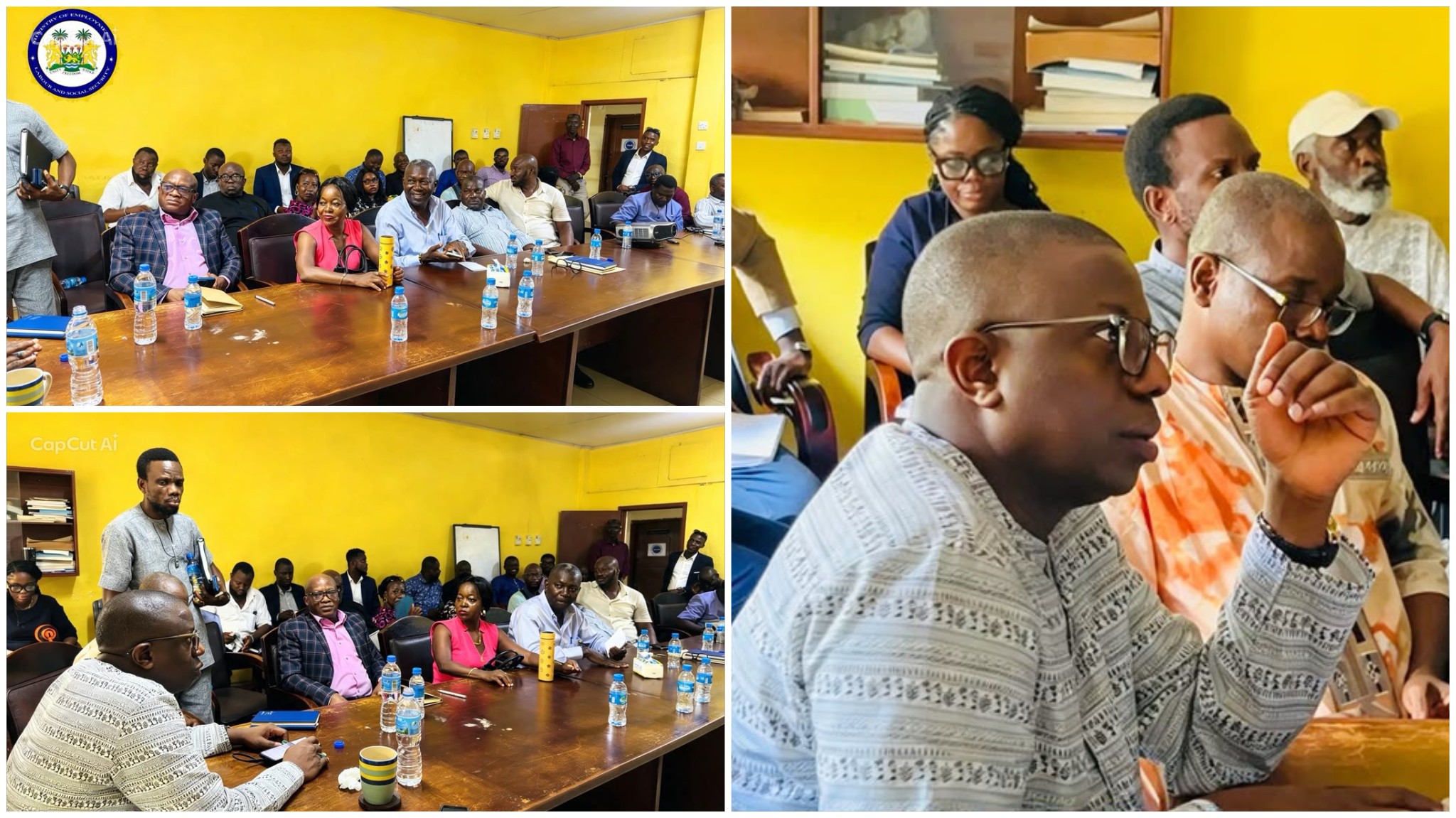
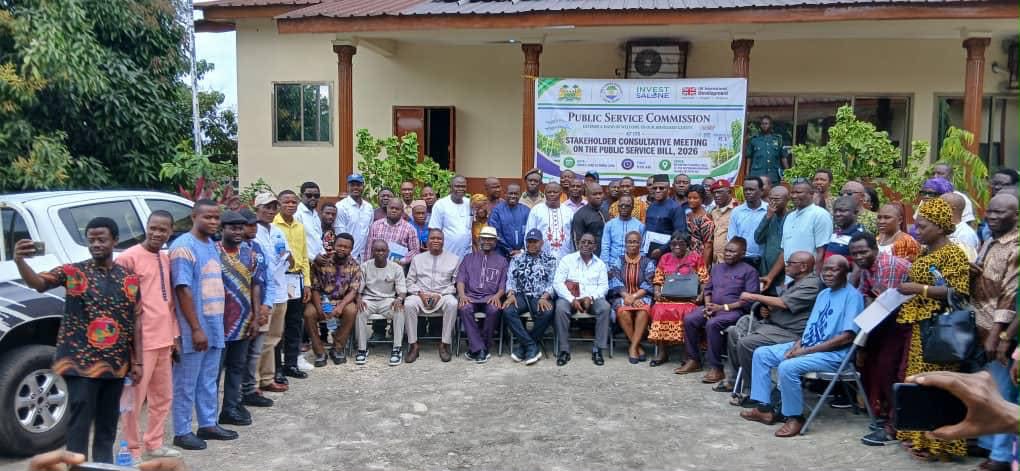
The Public Service Commission (PSC) has continued its stakeholder consultative engagements on the Public Service Bill, 2026, at the Bo District Council Hall in Bo on 23rd October, 2026, with key stakeholders calling for a legal framework to strengthen accountability, promote professionalism, clarify institutional responsibilities and improve Public Service delivery in Sierra Leone. The engagement, sponsored by Invest Salone – a UK funded private sector development programme attractedpublic sector workers, traditional rulers, civil society bodies and other stakeholders to discuss the proposed legislation and contribute meaningfulrecommendations aimed at modernising public administration and strengthening the country’s public sector reform agenda.
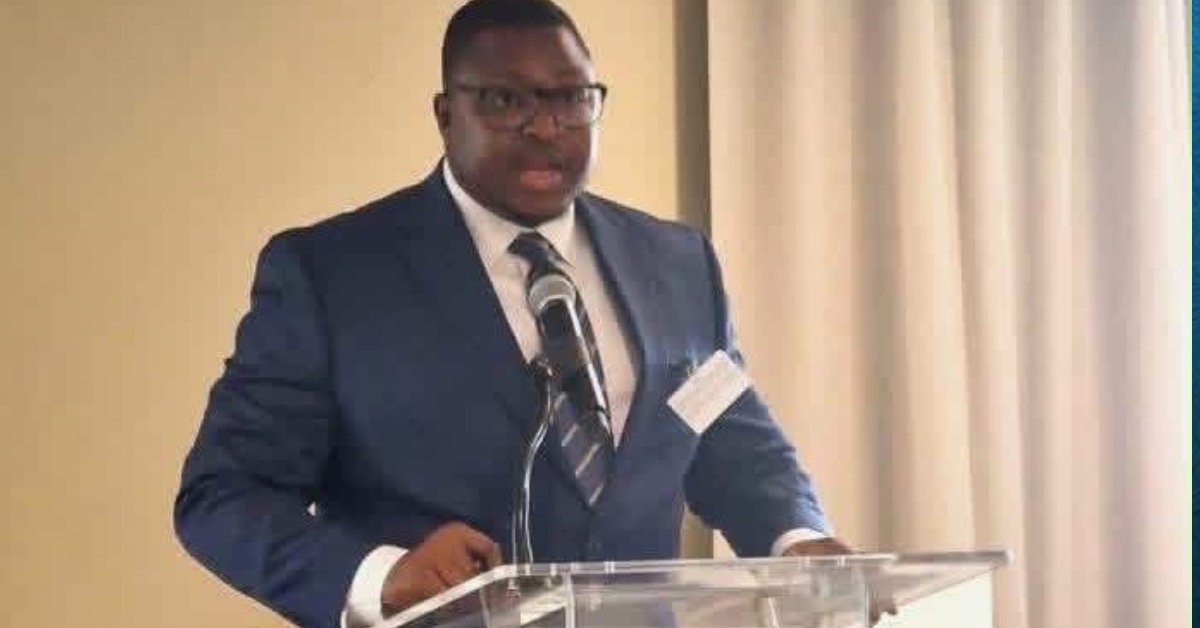
In his Keynote Address, the Chairman of the Commission, Mr. KaliluOmaro Bah, reaffirmed the PSC’s commitment to advancing the Bill, describing it as an important step towards addressing longstanding challenges associated with fragmented human resource management functions, overlapping institutional mandates and weak coordination across the Public Service. Mr. Bah recalled that since his appointment as Chairman in 2018, he had worked with the Commissioners and staff to advance the development of a legal framework for the Public Service. He expressed satisfaction with the progress made, particularly the development of the Bill, describing it as a significant milestone towards establishing a more coordinated and effective Public Service delivery system.
He noted that although the PSC has a long institutional history dating back to 1948, the emergence of multiple players performing human resource management functions in the Public Service had created challenges in coordination and the effective discharge of responsibilities. The Chairman emphasised the need for clear legislation to define the respective roles of the PSC and other Commissions/Agencies with mandate overlap with a view to strengthening institutional accountability and support the effective implementation of government policies and programmes.
“The thrust of this Bill is to improve the quality of service delivery in this country,” he stated, stressing that public service reform required collective commitment from government institutions, public servants, development partners and other stakeholders. Mr. Bah also underscored the importance of capacity building, professional development and continuous training, urging Public Servants to prioritise learning, teamwork and the acquisition of practical skills necessary for effective performance. He further highlighted the importance of collaboration between the public and private sectors, noting that effective partnerships could promote wealth creation, employment generation and economic resilience. The Chairman acknowledged the support of the European Union, Invest Salone, the leadership of the Service and other development partners in advancing the reform process.
The Chairman of Parliamentary Committee on Public Administration, Hon. Kemokoh Conteh pledged the Committee’s support for the passage of the Public Service Bill, 2026, into law, emphasising the need for a modern legal framework that promotes merit, professionalism, impartiality and accountability in the Public Service. service. Hon. Conteh said Parliament has a pivotal role to play in the passage of the Bill when it is formally presented for consideration. He noted that the proposed legislation provides an opportunity to address emerging challenges in public administration while preserving the fundamental principles required for an effective and professional Public Service.
Hon. Conteh particularly highlighted the importance of merit-based recruitment and promotion, stressing that public confidence in government institutions depends on ensuring that competence, qualifications, integrity and performance remain the key considerations for entry into and advancement within the Public Service. He assured stakeholders that the Committee on Public Administration would work closely with the PSC, development partners and other stakeholders to support the legislative process and advance the Bill towards enactment.
The Committee Chairman expressed the hope that the proposed law would provide a legal framework for Public Service governance and serve the interests of Sierra Leone for generations to come. He also commended the PSC for extending the stakeholder consultations across the country, noting the importance of giving public sector workers and other stakeholders the opportunity to contribute to the development of the proposed legislation.Hon. Conteh further expressed appreciation to Invest Salone for funding the consultative process, recognising the importance of stakeholder engagement in shaping a legal framework that responds to the needs of Sierra Leone’s public service.
The Director of the Public Sector Reform Unit (PSRU), Mr. SulaimanPhoray-Musa, called for the modernisation of the Public Service through the enactment of a Public Service Act to promote professionalism, accountability and effective coordination across government institutions.Mr. Phoray-Musa disclosed that efforts to develop the proposed legal framework had been ongoing for more than a decade, with previous attempts failing to reach completion. He commended the PSC’s leadership and staff for reviving the process and maintaining their commitment to delivering a lasting reform initiative.
He observed that the absence of a single law regulating the entire Public Service had contributed to fragmented administration, institutional silos and overlapping responsibilities among government institutions. “It is high time that the Public Service of this country is modernised, fixed and focused to drive professionalism and accountability,” he stressed. The Director explained that the development of the Bill is a policy action under the Medium-Term National Development Plan, with a target of completing the process in 2026. Although he acknowledged that the timeline was approaching its deadline, he expressed optimism about the progress made towards the enactment of the first-ever Public Service Act.
Highlighting the relationship between an effective Public Service and the country’s economic development, Dr. Sia Foday-Iscandri, Deputy Team Lead at Invest Salone stressed that a capable Public Service is essential to create an enabling environment for private sector growth, and job creation. She described the consultation as an opportunity to consolidate feedback from previous engagements, reflect on lessons learnt from the process, and assess how stakeholders’ concerns can inform the process leading to the passage of the Bill.
Dr. Foday-Iscandri explained that the quality of Public Service delivery directly affects the strength of the national economy and that economic development priorities would remain difficult to achieve without capable institutions that would translate government policies into practical results.“An effective Public Service is needed for a thriving private sector to operate in Sierra Leone. They are interdependent,” she stated.
She added that Public Service capability is closely linked to effective public-private collaboration and called for a deliberate approach to implement national development priorities. She emphasised that stakeholder contributions are essential to ensure that the proposed legislation would provide a strong foundation for an effective and efficient Public Service.
The presentation of the detailed provisions of the Bill was done by Lynton Jones, Esq., Senior Drafter at the Law Officers Department, Office of the Attorney General and Minister of Justice.
The consultation in Bo forms part of the PSC’s broader efforts to gather views and recommendations from public sector workers and other stakeholders on the Public Service Bill, 2026. The proposed legislation seeks to modernise Public Service management, clarify institutional roles and responsibilities, strengthen regulatory and oversight functions, and improve coordination, accountability and performance management across government institutions.