
The Koinadugu District Council has officially launched its 2026–2030 Development Plan, outlining key priorities aimed at improving infrastructure, agricultural productivity and access to basic services across the district.
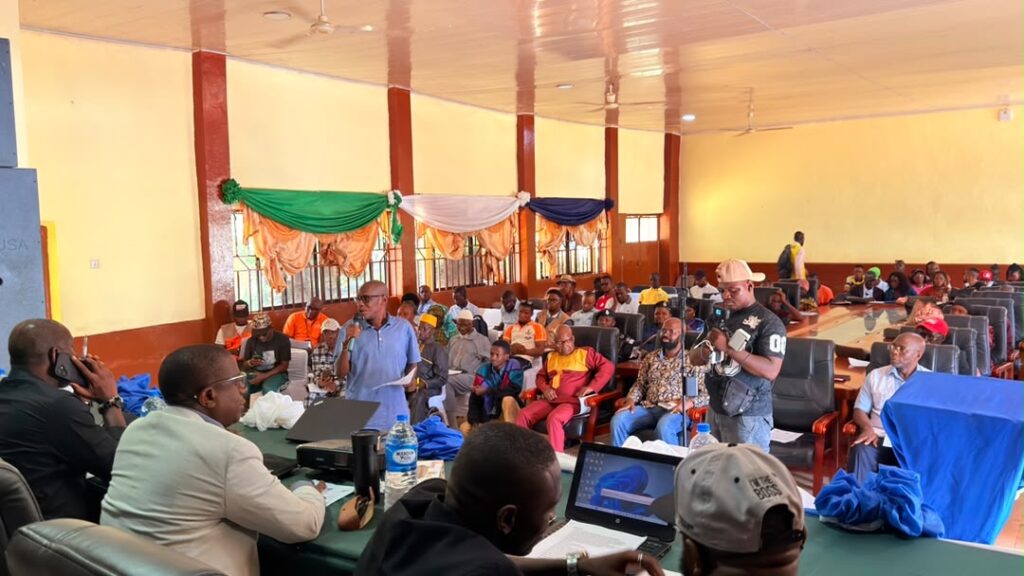
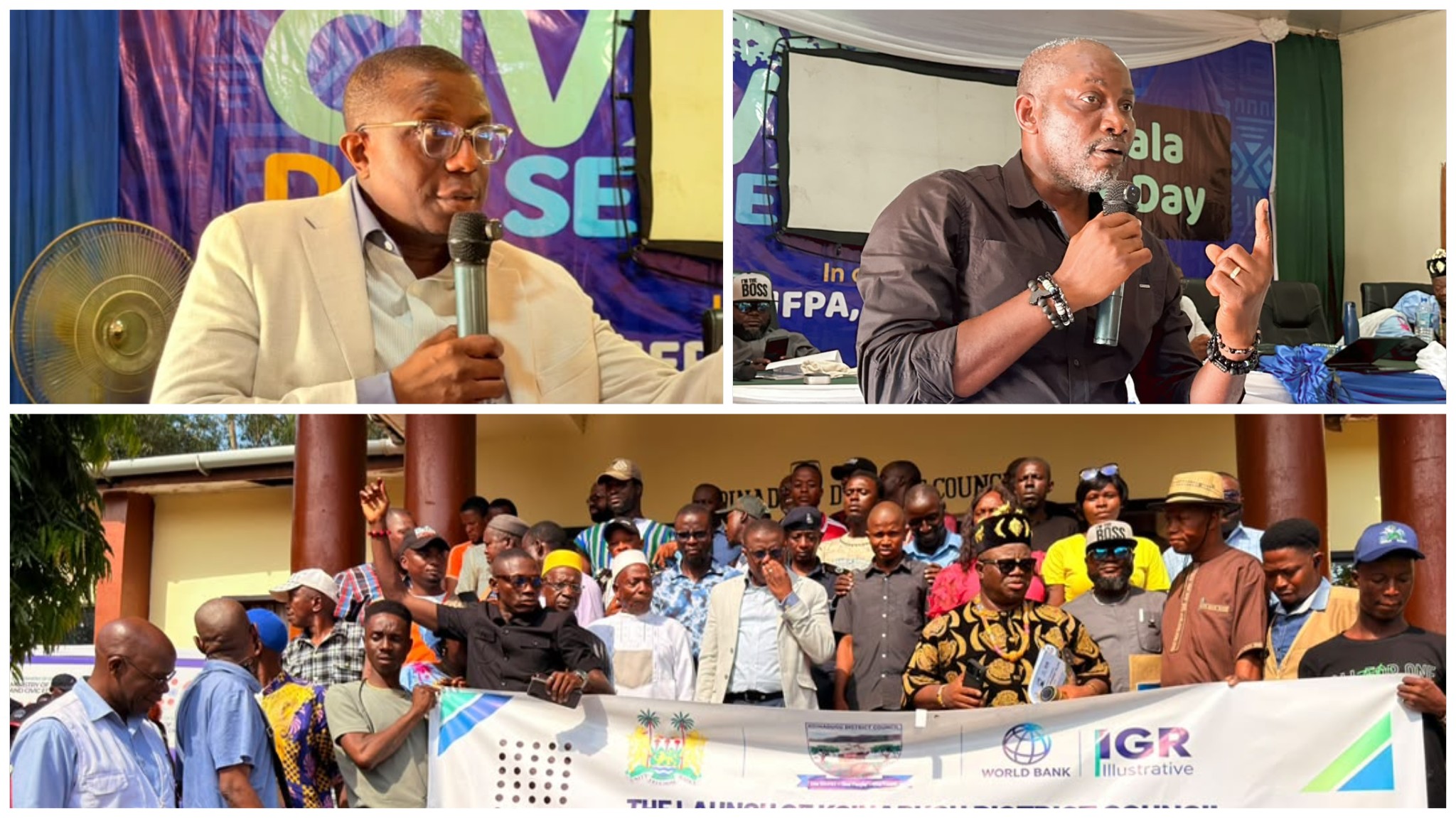
The launch ceremony was held on Thursday, 5 November 2026, at the District Council Hall in Kabala, Koinadugu District, with Minister of Employment, Labour and Social Security Umaru Napoleon Koroma delivering the keynote address. The event was also attended by Minister of Political Affairs and Public Administration Amara Kallon.
Other attendees included Council Chairman Lawrence Teteh, council officials, traditional leaders and their representatives, non-governmental organisations (NGOs), residents and other dignitaries from across the district.
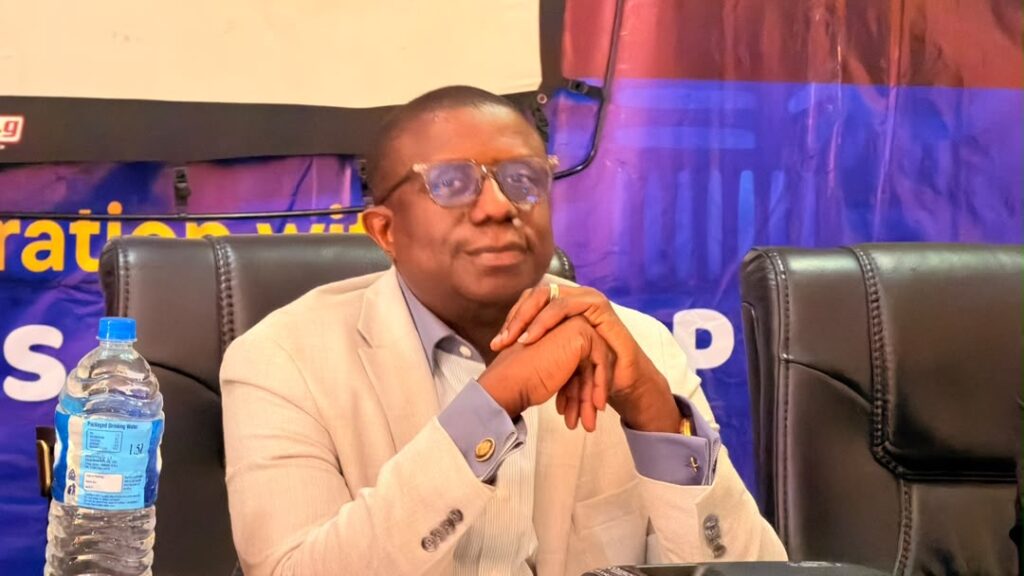
Supported by the World Bank, the five-year development plan is themed “Opening Roads, Growing Food, and Improving Basic Services in Every Chiefdom.” It outlines the council’s development priorities for the period, with particular emphasis on road construction, increased agricultural productivity and improved access to essential services.
Speaking at the ceremony, Minister Amara Kallon emphasised the importance of citizens protecting the government and its interests, noting that everyone has a civic responsibility in this regard. He explained that the consequences of government actions and decisions affect all citizens, regardless of their political affiliations or support for the government of the day.
Minister Kallon also acknowledged the contributions of Minister Umaru Napoleon Koroma towards the development of Koinadugu and Falaba Districts. He said his colleague’s commitment and efforts meant a great deal to him personally and served as further motivation for his own work.
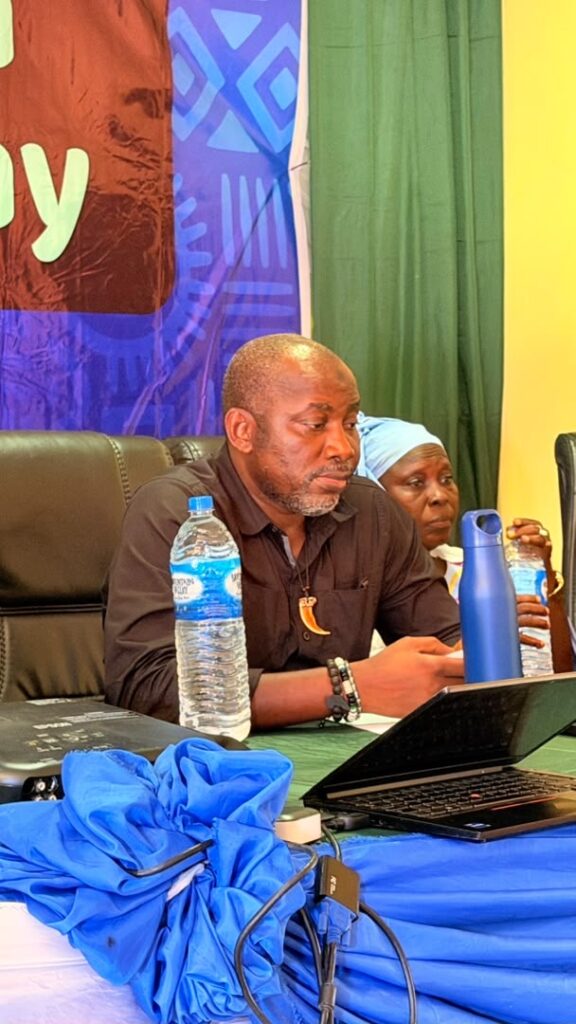
In his keynote address, Minister Umaru Napoleon Koroma reaffirmed the government’s commitment to supporting Koinadugu District, particularly in addressing its pressing development needs, including access to electricity, improved road networks and other essential amenities.
He assured residents that his support for the district would remain unwavering, pledging to work towards ensuring that the newly launched development plan translates into tangible projects rather than remaining a document on paper.
He further promised to engage and encourage other government leaders to support the implementation of the plan, stressing the importance of collective commitment to achieving its objectives.

The minister also described Koinadugu District Council as the first council to produce a development plan of this kind, saying the achievement demonstrated the council’s preparedness and commitment to driving development and embracing change.
The launch marks an important step in the district’s development planning process, with the successful implementation of the 2026–2030 plan expected to depend on sustained government support, strategic partnerships and the resources needed to translate its priorities into tangible improvements across all chiefdoms.