
By Abu Turay
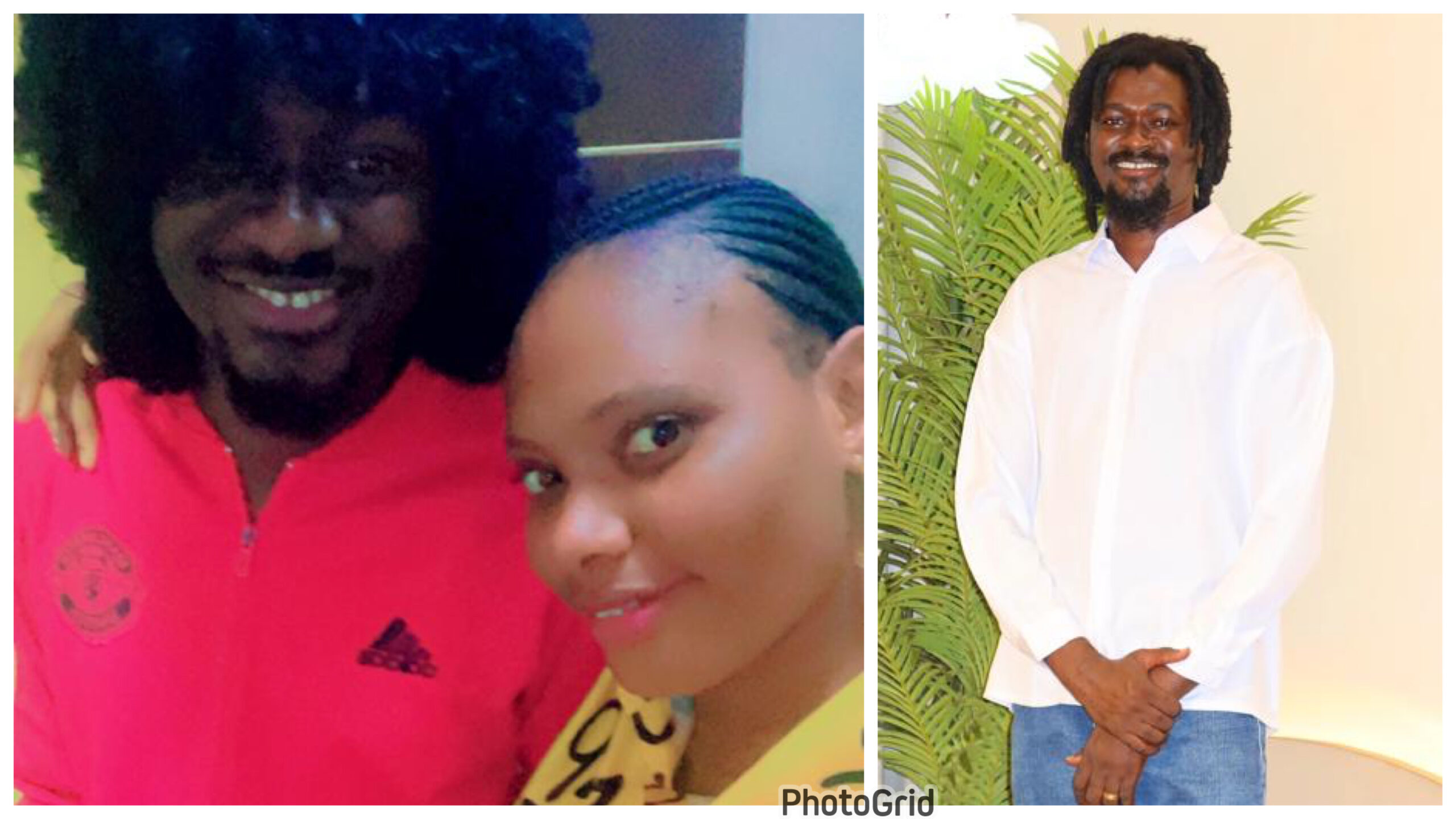
Renowned activist Samuel Stafford is facing intense social pressure, public hostility and family rejections over his outspoken advocacy for the rights of lesbian, gay, bisexual and transgender (LGBT) people in Sierra Leone.
Samuel Stafford who is working as an activist under the United Nations Association of Sierra Leone, has emerged as a public voice on issues surrounding sexual orientation, discrimination and the protection of people who identify as lesbian, gay, bisexual or transgender.
His advocacy, however, appears to have placed him at the centre of a highly sensitive and deeply polarising national debate.
According to accounts surrounding his experience, Samuel Stafford has been publicly confronted, shouted at and attacked by individuals opposed to his views and activism especially government officials, religious bodies and his community. What began as disagreement over a controversial social issue has reportedly developed into a deeply personal struggle, with Samuel Stafford allegedly facing rejections from people within his own social and family circles.
Members of his family and members of his wife’s family are reportedly among those who have distanced themselves from him. People who once maintained close relationships with him are said to have withdrawn their support and, in some instances, stopped associating with him.
Some individuals have allegedly gone further, describing Stafford as “cursed” because of his sexual orientation and his decision to publicly advocate for LGBTQ+ rights. Such claims, whether based on cultural beliefs, religious convictions or social attitudes, have reportedly contributed to his growing isolation.
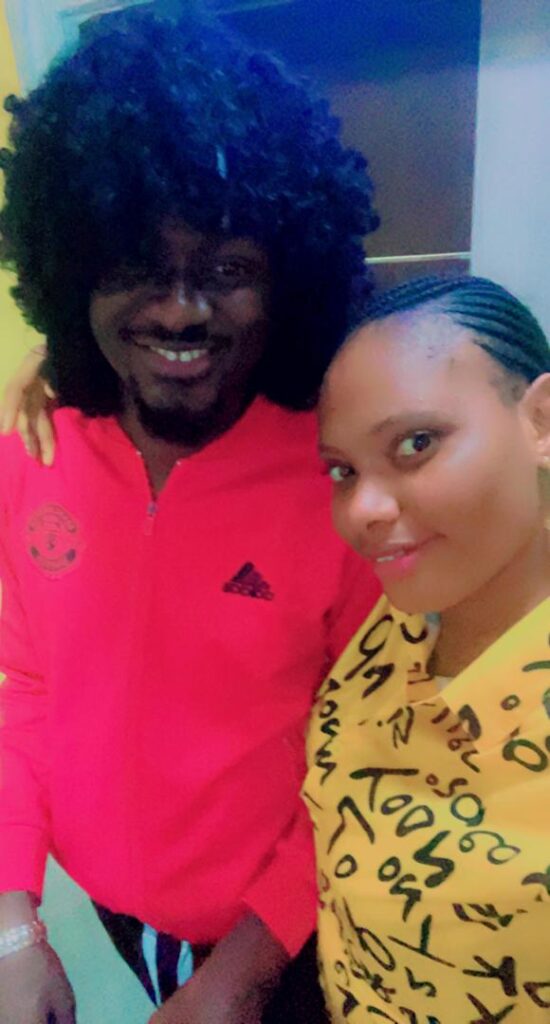
For Samuel Stafford, the consequences of publicly identifying himself as bisexual have therefore extended beyond criticism of his activism. They have reportedly affected personal relationships, family ties and his acceptance within parts of the community.
Sierra Leone’s debate over the rights of sexual minorities is not new. It sits at the intersection of colonial-era legislation, traditional values, religious beliefs, human-rights principles and changing social attitudes.
Certain same-sex sexual conduct remains criminalised under laws inherited from the colonial period, making Sierra Leone part of a wider group of former British colonies where activists continue to debate whether such laws should remain on the statute books.
For activists such as Samuel Stafford, the argument goes beyond the question of sexual conduct. They maintain that people should not be subjected to violence, intimidation, humiliation or discrimination because of their sexual orientation.
Opponents of LGBTQ+ advocacy such as the religious bodies and some traditional authorities however, argue that Sierra Leone’s laws, cultural traditions and religious values should be respected.
The resulting disagreement has created an increasingly difficult environment for people who publicly identify as lesbian, gay, bisexual or Transgender or who advocate for their rights. Samuel Stafford’s public identification as bisexual has added another dimension to the controversy.
Rather than keeping his identity private, he has reportedly chosen to speak openly about it while continuing his advocacy. Those who support him see his openness as a courageous attempt to challenge stigma and discrimination. His opponents who are mostly stakeholders in the country, however, have strongly rejected his position, arguing that it conflicts with their understanding of Sierra Leonean cultural and religious values and that has placed his life and family under threats.
The most painful consequences, according to accounts of his experience, have reportedly come not from strangers but from people with whom he has personal and family connections.
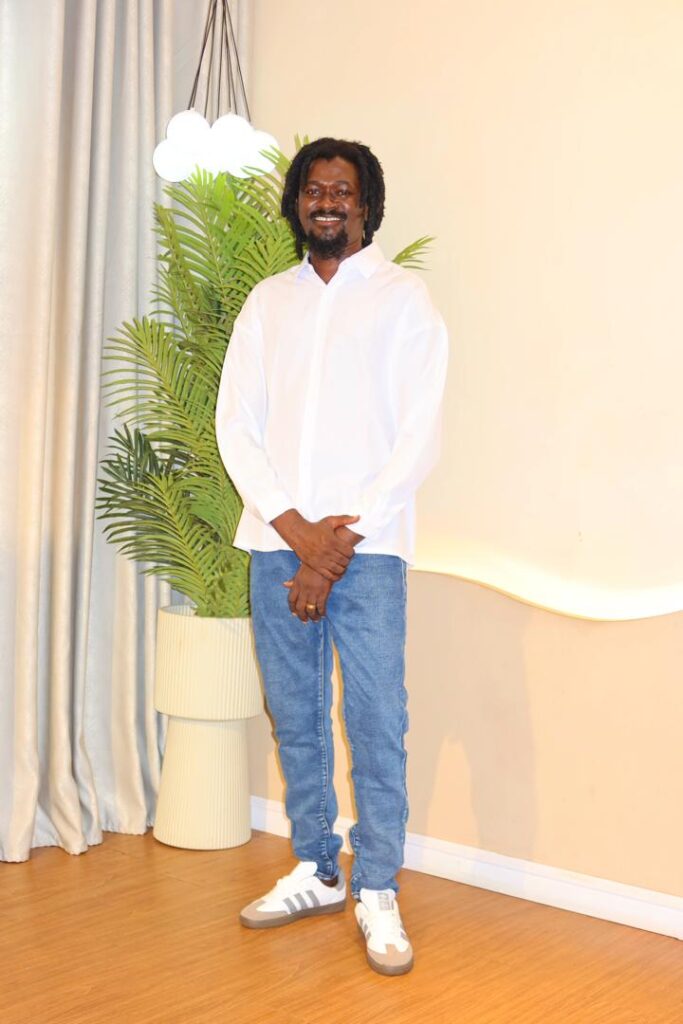
Family rejection can carry consequences that extend well beyond emotional distress. It can affect social networks, community acceptance, marriage and relationships, economic support and a person’s sense of belonging.
In Samuel Stafford’s case, reports that members of both his family and his wife’s family have distanced themselves from him have added a personal dimension to a debate that is often discussed in legal and political terms. Samuel Stafford’s reported experience also raises broader questions about the risks faced by human-rights advocates in Sierra Leone.
Activists who challenge widely held social beliefs can become targets of verbal abuse, intimidation and social exclusion. The situation becomes even more difficult when the issue involves sexual orientation, an area where public opinion remains deeply divided.
Samuel Stafford’s reported public attacks and rejections illustrate how an activist’s work can follow him beyond public meetings, advocacy platforms and community discussions and into his home and family life.
The allegations of public attacks should also prompt wider conversations about the right of individuals to express their views without being subjected to violence or intimidation, regardless of whether others agree with those views.
At the centre of Samuel Stafford’s experience is a question that extends beyond the LGBTQ+ debate: what happens to an individual when society refuses to accept an aspect of his identity?
Being called “cursed”, rejected by relatives and publicly confronted can create a profound sense of isolation.
For Samuel Stafford, the struggle is reportedly no longer simply about defending the rights of other people. It has become intertwined with his own identity and his right to participate openly in society.
For Samuel Stafford, the decision to speak publicly appears to have come with significant personal consequences. Despite the reported hostility, rejection and social isolation, he has continued to associate himself with advocacy for the rights of LGBTQ+ communities in Sierra Leone.
It is about the collision between an inherited colonial legal framework, deeply rooted cultural and religious beliefs, emerging human-rights arguments and the personal realities of people whose identities fall outside what many in society consider acceptable.
As Sierra Leone continues to debate the future of its colonial-era laws and its obligations to protect human dignity, Stafford’s experience offers a stark reminder that the LGBTQ+ question is not confined to courtrooms, Parliament or human-rights conferences.
And for Samuel Stafford, that struggle has reportedly come at the price of community attacks, family rejection, provocation, mockery, social isolation and the painful experience of being told by some that he is “cursed” simply because of who he says he is.
More than two decades after Fanny Ann Eddy’s murder- and more than 160 years after the colonial law that still criminalizes gay men in Sierra Leone was first written-LGBTQI+ Sierra Leoneans continue to navigate a legal and social landscape defined by contradiction: formally illegal same-sex conduct that goes largely unprosecuted, yet nonetheless license harassment, violence and institutional neglect; incremental legal protection in employment alongside a total absence of hate-crime law; and a civil society movement that persists despite operating in an environment where visibility itself carries risk.
Human rights organizations continue to call on Sierra Leone’s government to repeal Section 61 of the 1861 Act, enact comprehensive anti-discrimination and hate-crime protections, and ensure that attacks on LGBTI people are investigated and prosecuted rather than dismissed. Activists like Samuel and Kadiatu Stafford argue that lasting change is more likely to come through patient institutional engagement, evidence-based documentation and public health partnerships than through high-visibility confrontation- an approach that, they say, allows them to advance the safety and dignity of LGBTQ Sierra Leoneans while remaining consistent with their country’s constitutional order and cultural realities. The debate over how Sierra Leone should treat its LGBTQ citizens, they note, already exists. The more urgent question, in their view, is whether disagreement over sexuality will continue to be used to justify violence, blackmail, and the denial of the basic services and dignity-or whether the country can build institutions strong enough to protect every citizen regardless of that disagreement.