
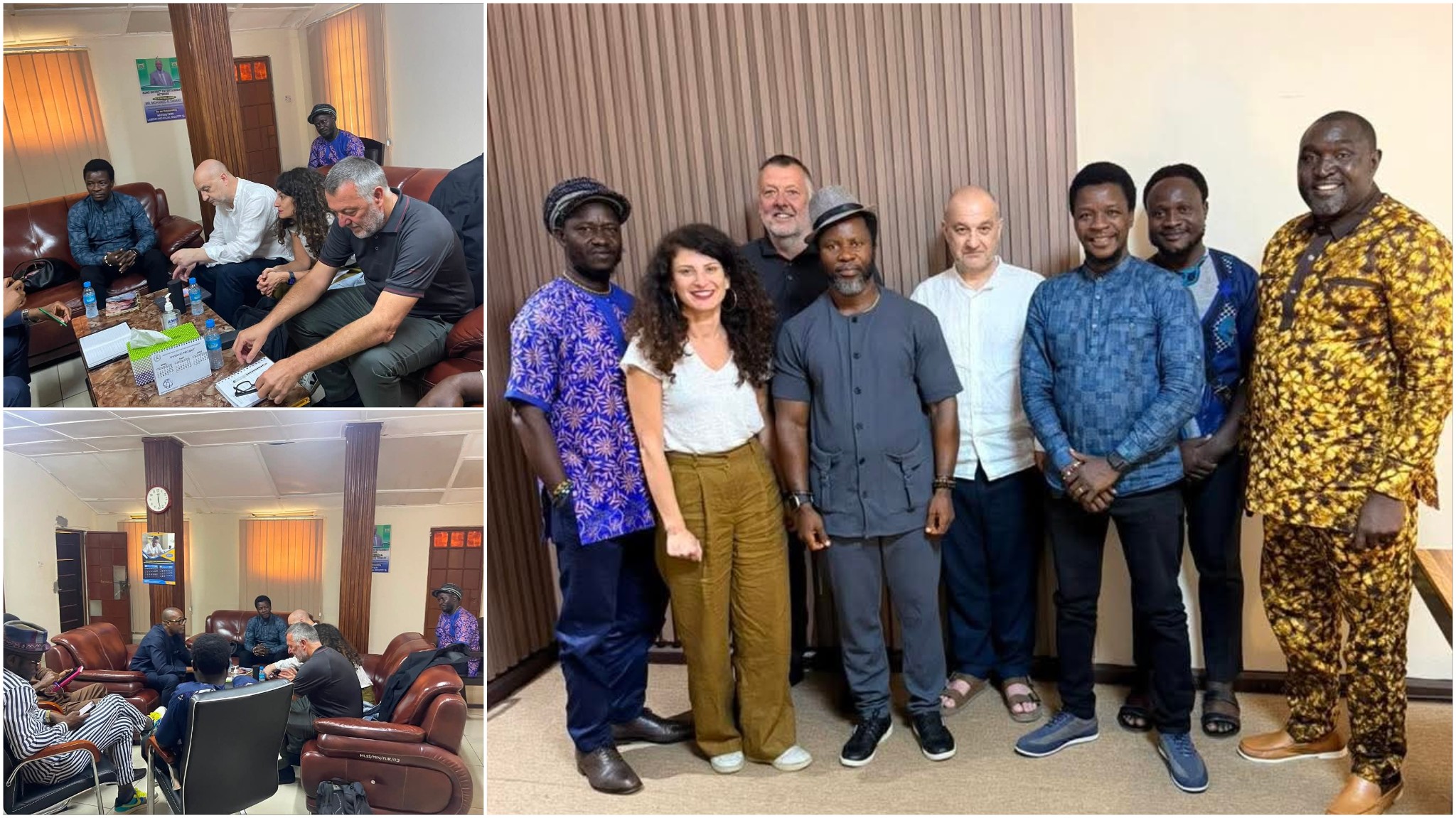
The Sierra Leone Association of Journalists (SLAJ), the Sierra Leone Reporters Union (SLRU), and the International Federation of Journalists (IFJ) have engaged the Chairman of the Independent Media Commission (IMC), Joseph E. Kapuwa Esq., and the Minister of Employment, Labour and Social Security, Mohamed Rahman Swaray, on the urgent need to strengthen journalists’ welfare and enforce existing labour and media laws.
The high-level engagements were aimed at reminding both institutions of their statutory responsibilities to ensure that journalists in Sierra Leone receive decent remuneration, social security benefits, and work in safe and conducive environments that enable them to practice their profession effectively and independently.
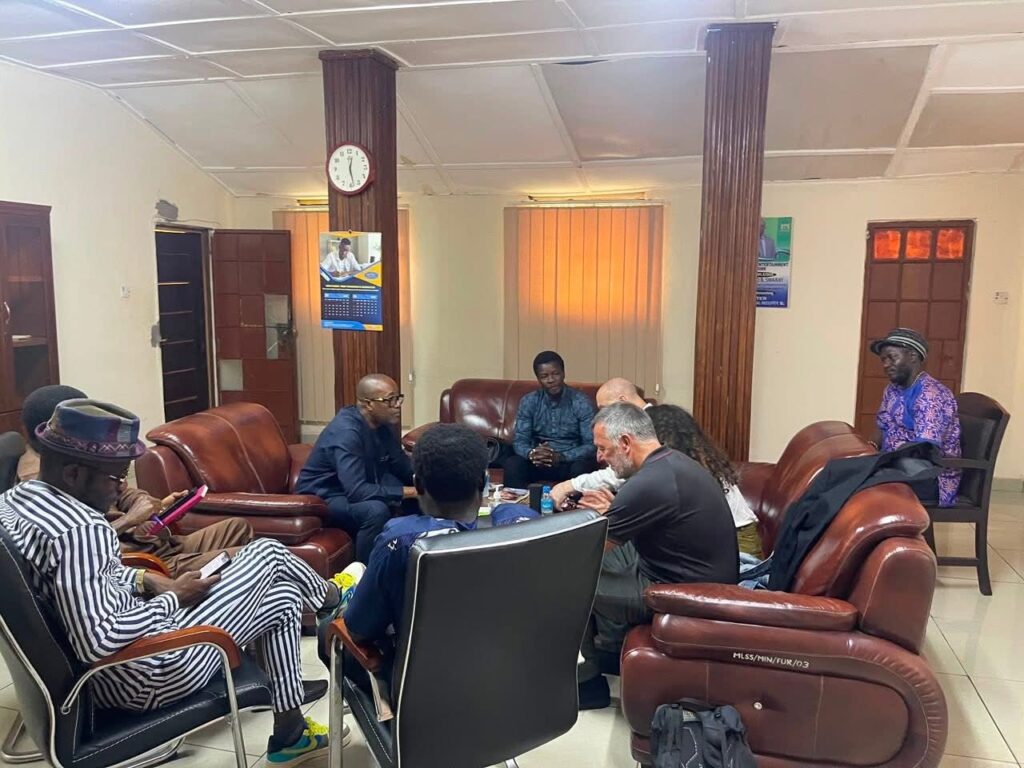
Speaking during the meetings, SLAJ President, Alhaji Manika Kamara, stated that addressing journalists’ welfare remains one of the Association’s top priorities. He noted that the engagements form part of a broader advocacy campaign involving key national stakeholders to improve the working conditions of journalists across the country.
According to him, immediately after receiving confirmation of the IFJ delegation’s visit to Sierra Leone, SLAJ commenced consultations with relevant government institutions and partners to ensure that the issue of journalists’ welfare receives the national attention it deserves.
President Kamara reaffirmed SLAJ’s commitment to constructive engagement with media proprietors, many of whom are members of the Association, to find practical and sustainable solutions to the welfare challenges confronting journalists.
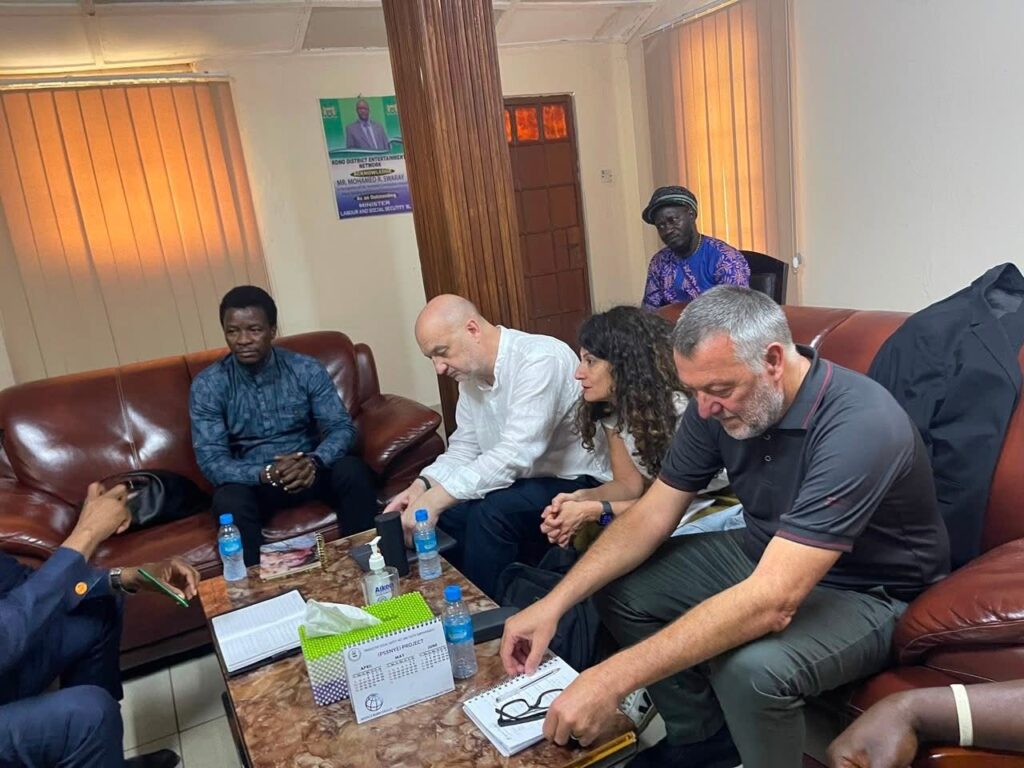
He expressed concern that many veteran journalists retire without end-of-service benefits, pensions, or adequate social protection, describing the situation as unacceptable for a profession that plays a critical role in strengthening democracy, accountability and national development.
The IFJ delegation, led by its General Secretary, Anthony Bellanger, emphasized the urgent need for the effective enforcement of provisions contained in the IMC Act of 2020 and the Labour Act of 2025, particularly those relating to the payment of salaries above the national minimum wage and compliance with social security obligations.
Bellanger stressed that enforcing labour standards within the media sector should not be misconstrued as an attempt to undermine press freedom. Rather, he said, it is a necessary step toward ensuring decent working conditions, professional independence, and a stronger media landscape.
The delegation maintained that quality journalism can only thrive when journalists are adequately compensated and protected from economic vulnerabilities that expose them to unethical practices and external influence.
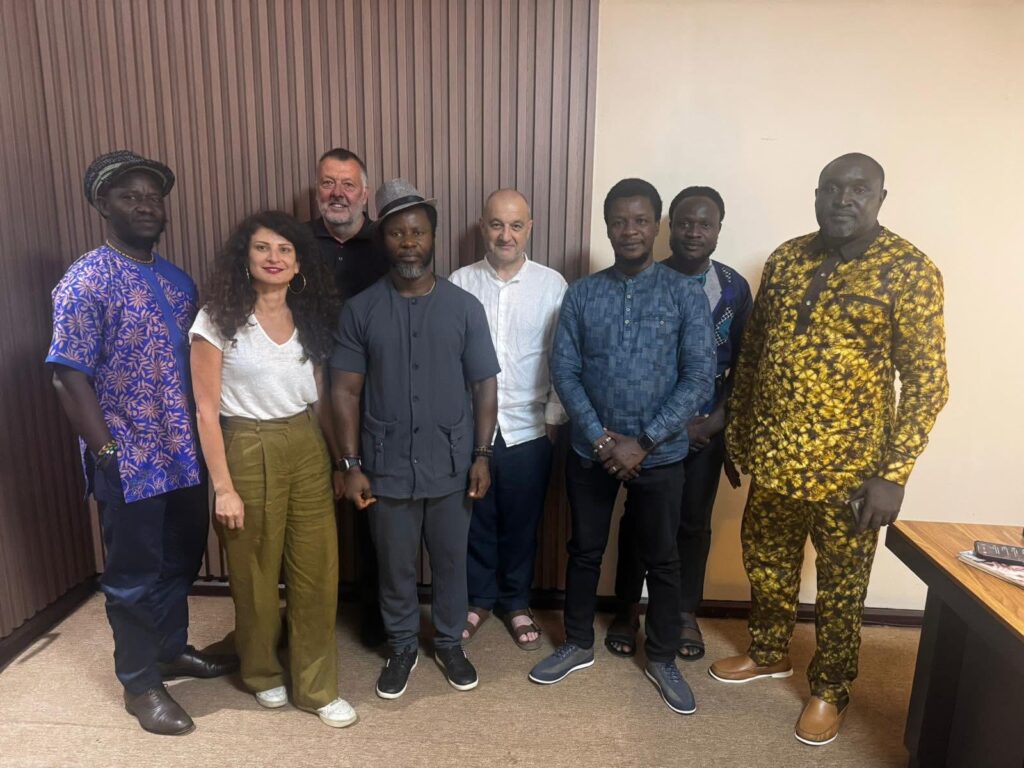
The IFJ team pledged its full support to SLAJ, SLRU, the IMC, and the Government of Sierra Leone in advancing the implementation of laws and policies that protect journalists’ welfare, safety, and professional rights.
Jeremy Dear, IFJ Expert Adviser on Journalists’ Welfare, presented findings from an analysis of journalists’ employment conditions in Sierra Leone. He revealed that a significant number of journalists are either paid below the minimum wage, receive irregular salaries, or work without social security coverage.
According to Dear, approximately 47 percent of journalists are not registered with NASSIT, while nearly 90 media institutions registered by the Independent Media Commission are either failing to remit NASSIT contributions or are not paying journalists the legally required minimum wage.
“Forty-seven percent of journalists are not registered with NASSIT, and almost 90 media houses listed by the Independent Media Commission are either failing to pay NASSIT contributions or are not paying the minimum wage to journalists,” he stated.
He further disclosed that 26 percent of journalists do not receive regular monthly salaries, while many others operate without employment contracts, clearly defined working hours, or basic employment protections.
Dear observed that despite Sierra Leone having progressive labour legislation and media laws that safeguard journalists’ welfare, enforcement remains a major challenge. He assured stakeholders that IFJ will continue working closely with SLAJ and SLRU to ensure that journalists receive fair remuneration, social security protection, leave entitlements, medical benefits, and other rights guaranteed under national laws.
Responding to the concerns raised, IMC Chairman Joseph E. Kapuwa Esq. acknowledged the challenges associated with enforcing welfare provisions within the media industry. He noted that many media owners are themselves journalists and members of SLAJ, creating a complex environment for advocacy and regulation.
However, he assured the delegation that the Commission remains committed to enforcing the provisions of the IMC Act and ensuring compliance by media institutions regarding minimum wage requirements and NASSIT contributions.
Kapuwa emphasized that while the Commission remains mindful of concerns about press freedom, compliance with labour laws and welfare obligations cannot be ignored and must form part of efforts to professionalize the media sector.
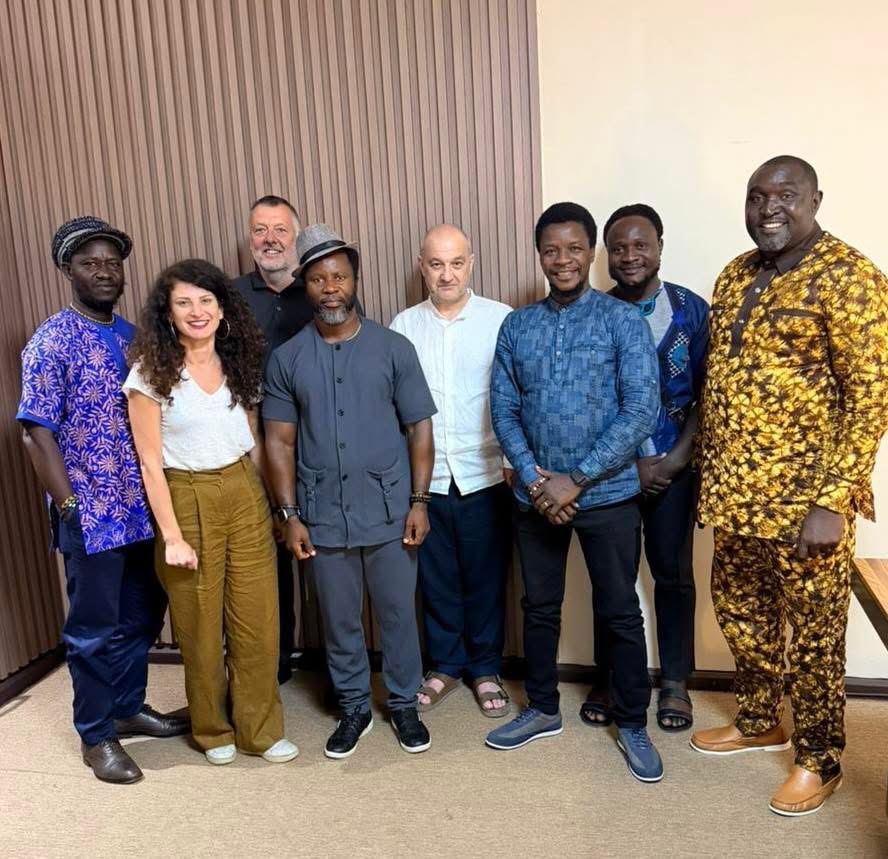
Meanwhile, Minister of Employment, Labour and Social Security, Mohamed Rahman Swaray, described journalists’ welfare as an issue that remains “close to his heart,” citing his longstanding relationship with the media sector and his previous role as Minister of Information and Communications.
The Minister recalled working closely with previous SLAJ administrations to secure landmark reforms in the media sector, including the repeal of the criminal libel provisions of the Public Order Act of 1965, the establishment of the National Fund for Public Interest Media, and reforms to the IMC Act that introduced provisions relating to journalists’ remuneration and social security protection.
Minister Swaray assured the IFJ delegation, SLAJ, and SLRU of the Government’s commitment to improving the welfare of journalists and ensuring compliance with labour laws across the media industry.
“My Ministry will work closely with SLAJ and SLRU to ensure that media employers comply with the Labour Act and fulfil their obligations relating to wages, social security contributions, and other workers’ rights,” the Minister stated.
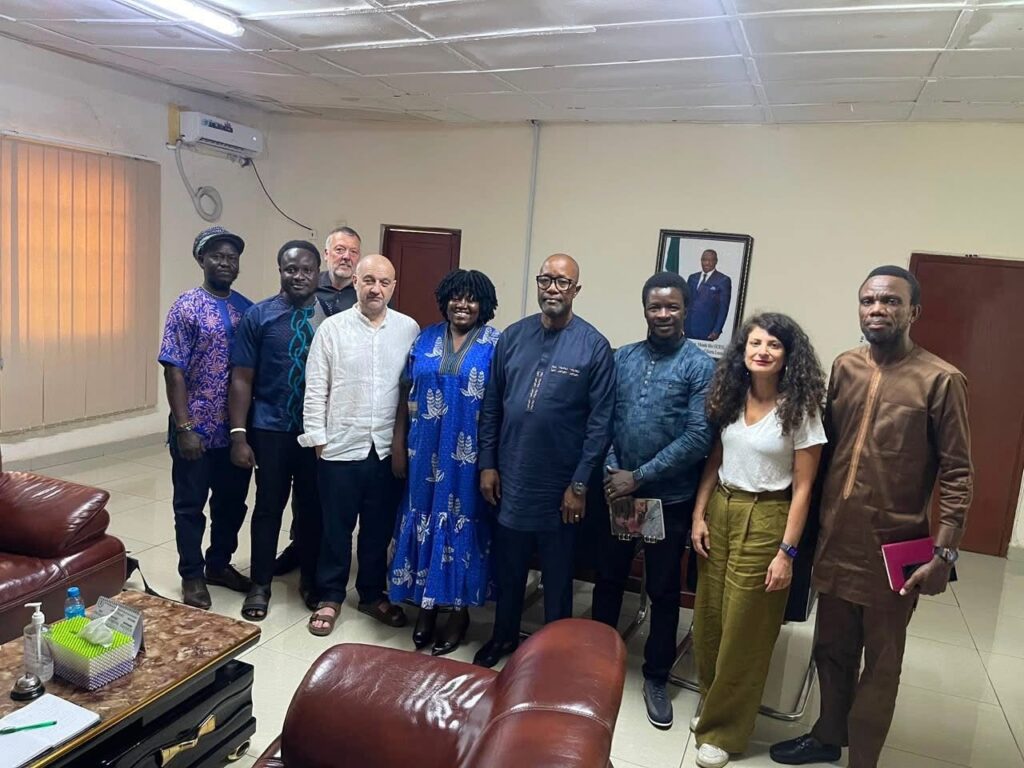
The engagements mark a significant step in the ongoing campaign by SLAJ, SLRU and IFJ to secure decent work, fair pay, social protection, and professional dignity for journalists in Sierra Leone
Credit : SLAJ