
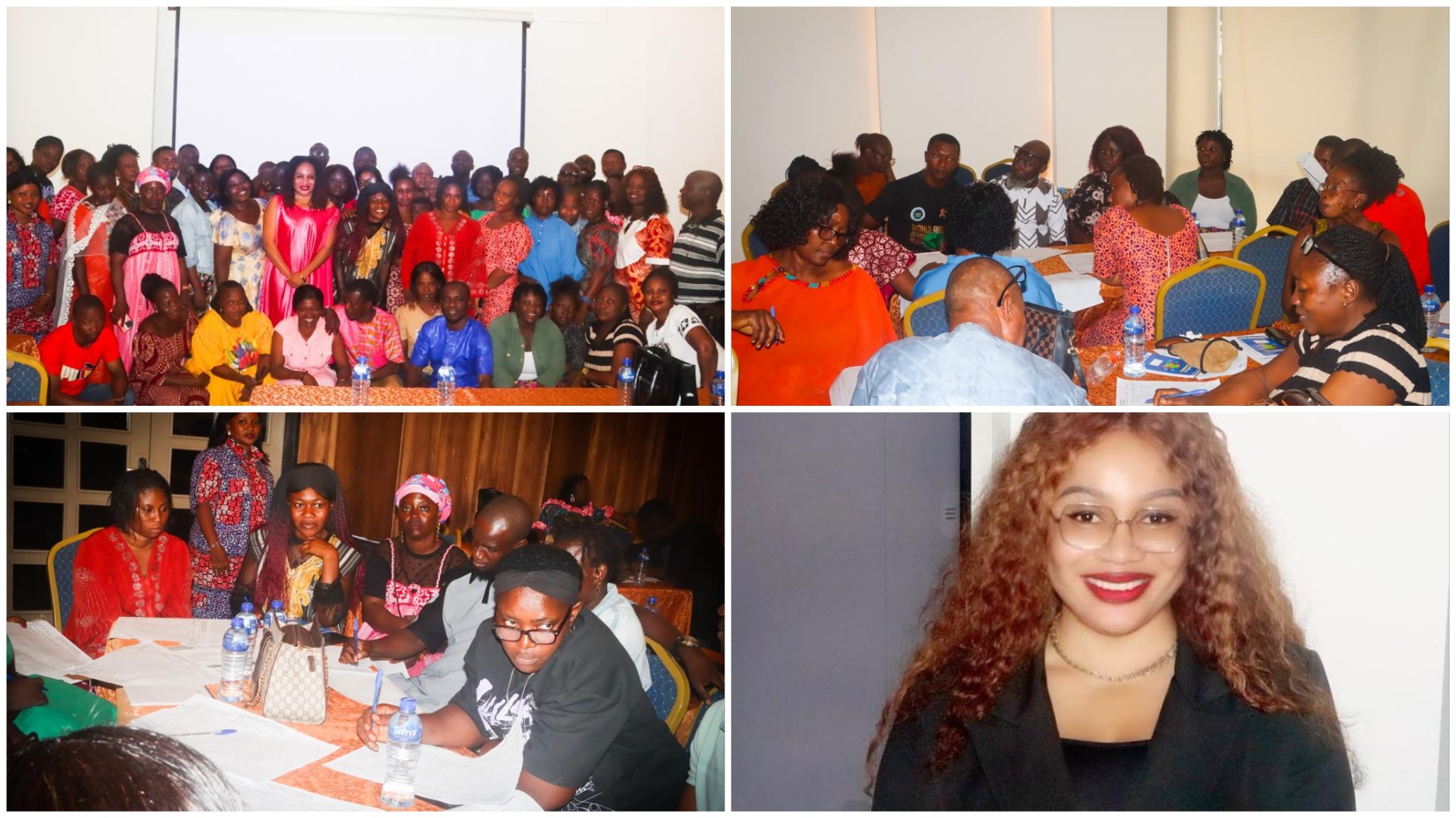
Jhpiego, through the Global Reach-2 (GR-2) Project, has successfully completed a three-day capacity-building training for 100 healthcare workers across its new health facilities nationwide to strengthen comprehensive HIV services in Sierra Leone.
The training, held from 21 to 23 January 2026, took place in seven locations across the country: Western Area Urban (Freetown), Western Area Rural, Port Loko, Tonkolili, Bo, Bombali, and Kenema.
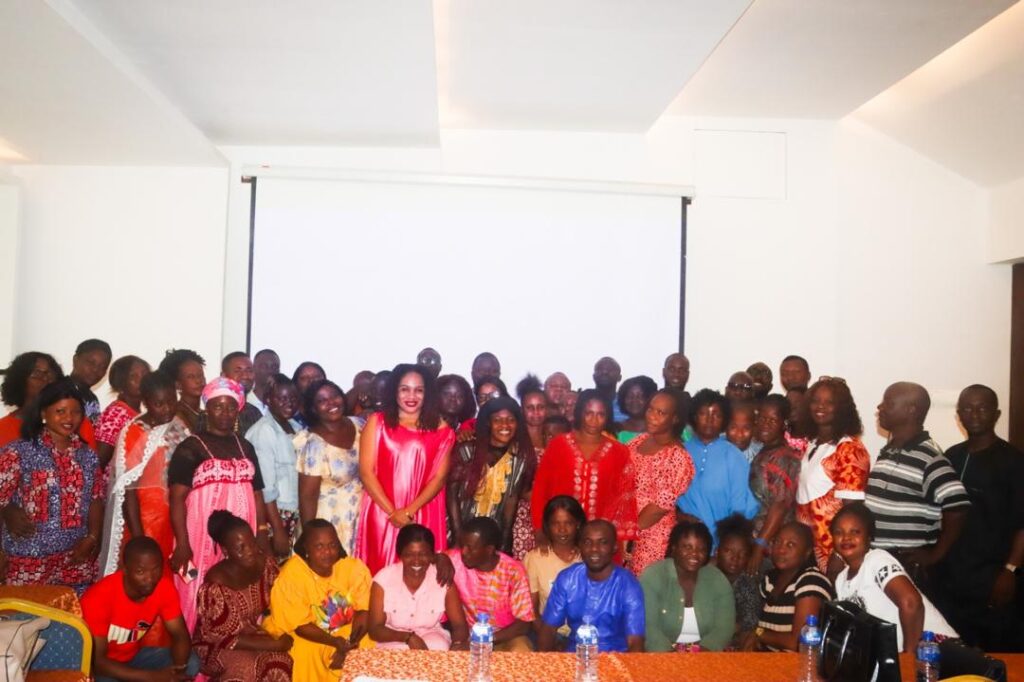
The intensive training targeted two participants from each new facility involved in HIV service delivery and two participants from the District Health Management Teams (DHMTs).
A primary focus of the training was to enhance the national response to Advanced HIV Disease (AHD), a condition associated with high morbidity and mortality if not promptly identified and managed.
Funded by PEPFAR through the U.S. Centers for Disease Control and Prevention (CDC), the GR-2 Project aims to accelerate HIV epidemic control through innovative, evidence-based interventions across the HIV clinical cascade.
Speaking at the opening session, Dr. Enanga Sonia Namanga, Technical Manager for Adult ART and TB/HIV, emphasized that the goal of the training is to build the capacity of healthcare workers in the prevention, diagnosis, treatment, and care of HIV/AIDS in Sierra Leone.
“The AHD training is a critical step in building a resilient and responsive HIV service-delivery system that ensures timely clinical intervention, reduces AIDS-related deaths, and contributes toward achieving the UNAIDS 95-95-95 targets in Sierra Leone,” she said.

Over the three days, participants were trained on:
Early identification and management of Advanced HIV Disease
Optimized antiretroviral therapy (ART) initiation practices
Screening and treatment for opportunistic infections, including tuberculosis and cryptococcal meningitis
Strengthening laboratory diagnostics and linkage to treatment
Infection prevention and control
Use of national algorithms and protocols for patient-centered care
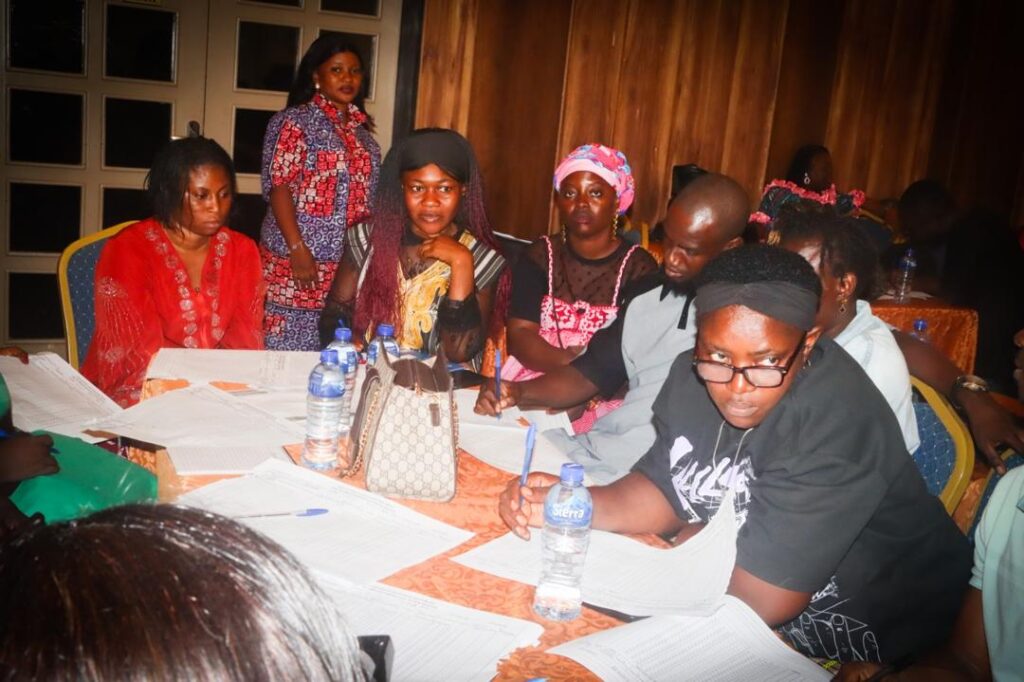
The training integrated interactive sessions, case studies, practical demonstrations, and group discussions to equip participants with hands-on knowledge applicable at the facility level.
Healthcare workers expressed appreciation for the initiative, noting that the improved skills and updated knowledge will enhance the quality of care provided to clients.
Salia Sowa, a Community Health Officer at Mile 38 Community Health Center, said: “The training has improved my capacity. Previously, I had seen two to three cases classified under AHD, but I didn’t know how to manage them. Now, I know what to do when I encounter such cases.”

Before the training, participants had significant knowledge gaps in identifying and categorizing AHD cases. The training has now equipped the majority with the skills needed to accurately identify and manage such clients.
This training marks yet another milestone in Jhpiego’s ongoing efforts to equip frontline health workers with the competencies required to deliver client-centered, evidence-based HIV services, aiming to reduce HIV-related deaths and improve treatment outcomes across Sierra Leone.