

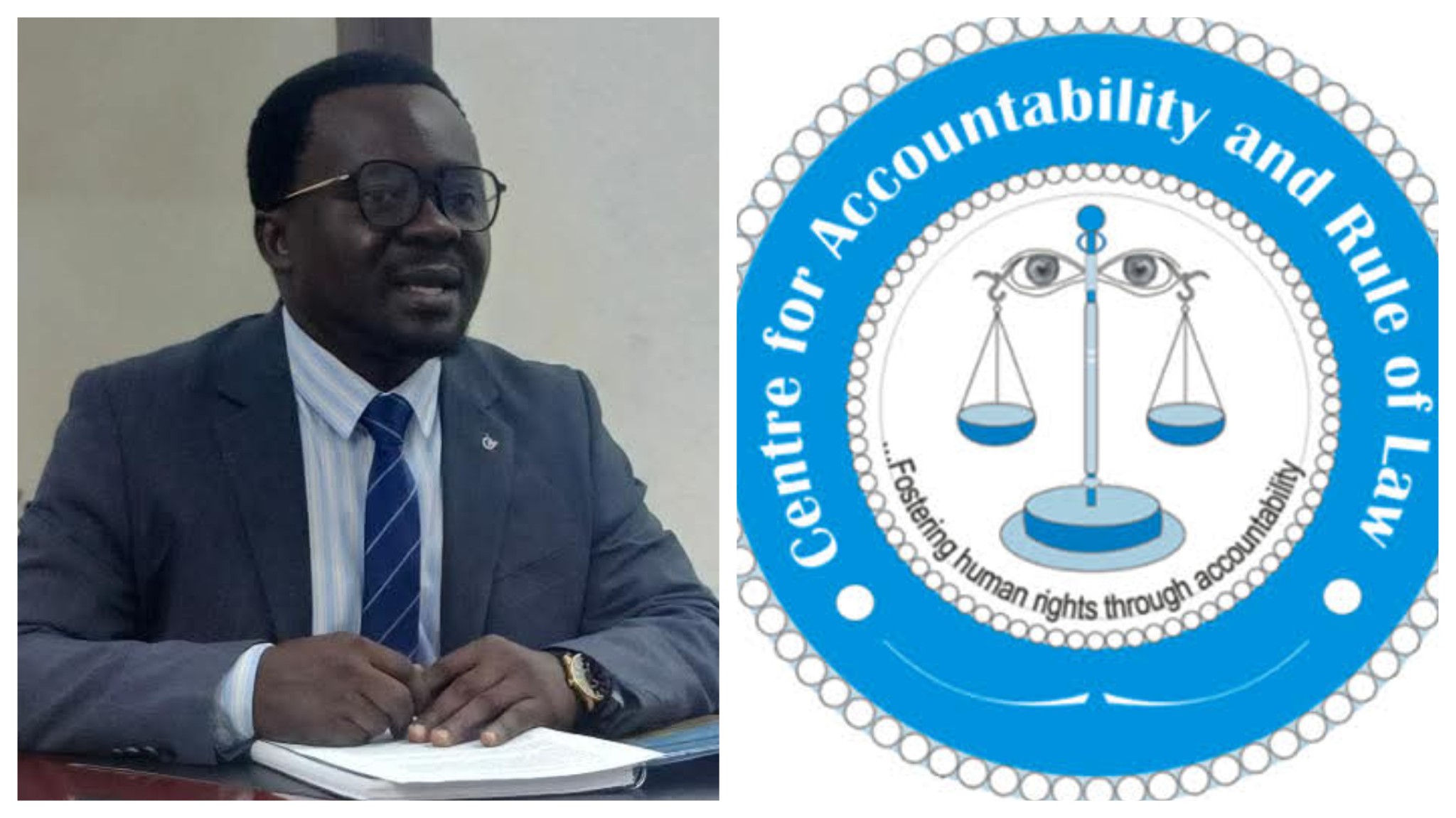
Prominent civil society advocate Ibrahim Tommy Esq. has stepped down as Executive Director of the Center for Accountability and the Rule of Law (CARL), concluding a distinguished 15-year tenure leading one of Sierra Leone’s foremost human rights and governance organizations.
Tommy formally announced his resignation at a press briefing held at CARL’s Pultney Street office, expressing gratitude to colleagues, partners, and the broader civil society community. He emphasized that while he is leaving his official role, he will remain connected to CARL through voluntary support when needed.
“I will continue to offer my services to CARL voluntarily,” Tommy stated. “But I will not be joining the government.” He revealed plans to focus on full-time legal practice and take on a corporate executive role.
Reflecting on his time at CARL, Tommy described the experience as both challenging and rewarding. Under his leadership, the organization became a key advocate for transparency, human rights, and rule of law reforms. Notable milestones during his tenure include advocacy efforts that contributed to the passage of the Legal Aid Board Act and the Correctional Service Act.
Tommy acknowledged the hurdles faced along the way, noting occasions when CARL’s reports drew scrutiny from Parliament. “Advocacy is never without challenges, but our commitment to justice and accountability never wavered,” he remarked.
The farewell event was emotional, with staff expressing deep appreciation for Tommy’s mentorship. Mary-Magdalene Kelfalla, CARL’s Advocacy Officer, described his leadership as transformational: “He has shaped my professional journey profoundly. We will miss his guidance and dedication.”
As CARL navigates the transition, Jeffery Simbo, formerly Head of Programmes, has been appointed interim Executive Director. Tommy encouraged the interim leadership to continue prioritizing social and economic rights, stressing the importance of addressing poverty as a central issue for Sierra Leone’s development.
Tommy’s departure marks the end of a significant chapter in CARL’s history while paving the way for new leadership to build on its legacy of accountability, justice, and human rights advocacy.