
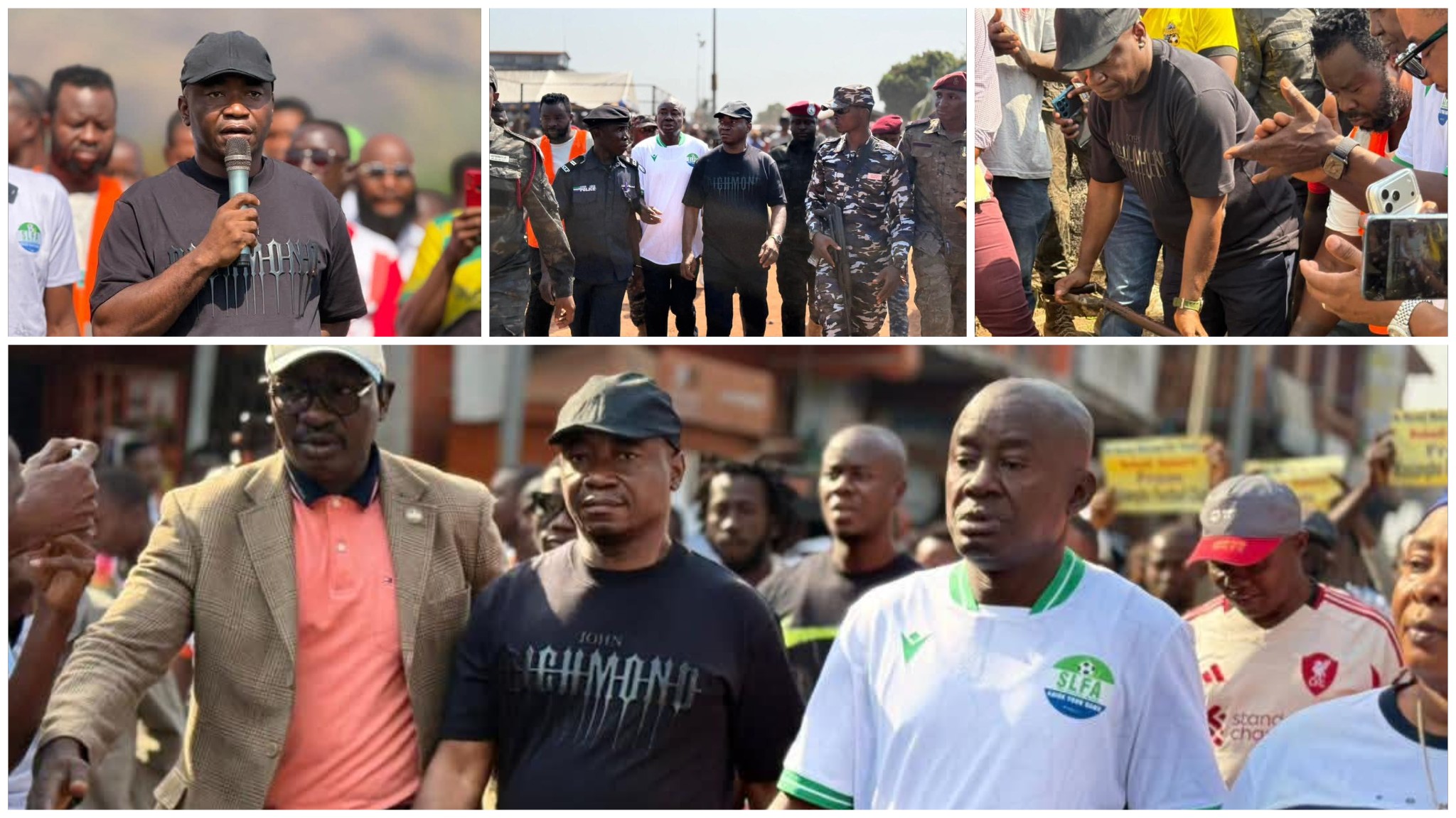
Makeni on Friday marked a significant milestone in football infrastructure development as the President of the Sierra Leone Football Association (SLFA), Babadi Kamara, officially turned the sod for the personally funded rehabilitation of Wusum Field.
The project, valued at US$95,000, is scheduled to commence on Monday, 12 January 2026. Of the total amount, US$75,000 has been earmarked for the construction of a modern perimeter fence, while US$20,000 will be used to develop new dressing room facilities aimed at improving player welfare and enhancing match-day standards.
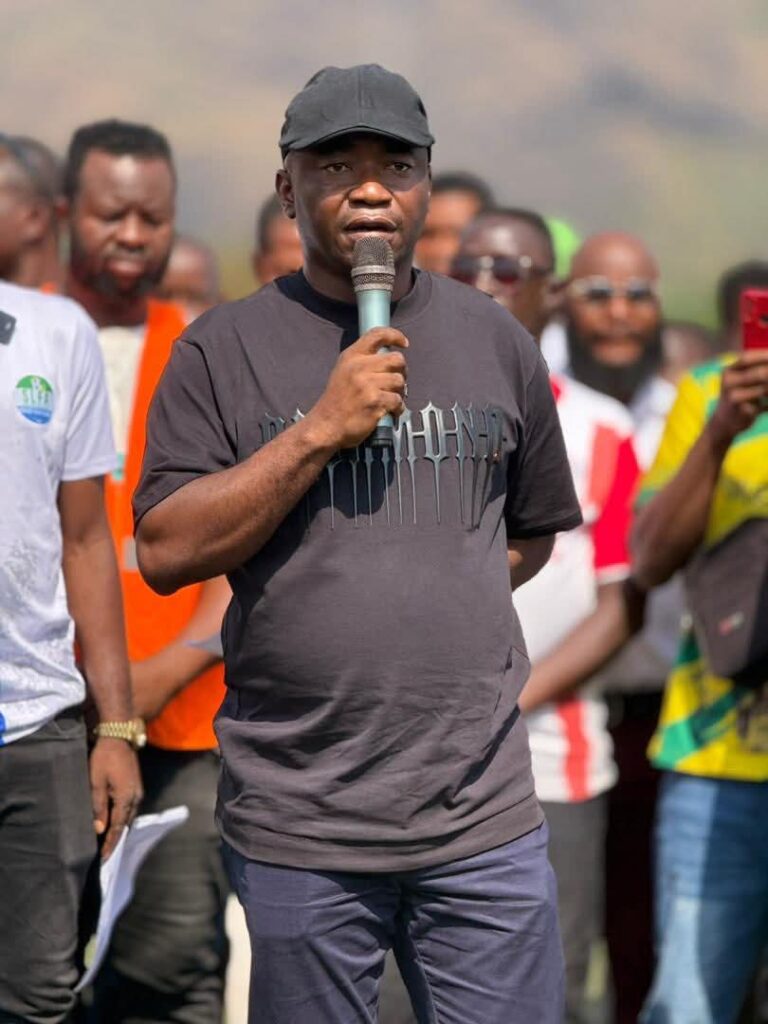
Speaking at the sod-turning ceremony, President Kamara described the rehabilitation as a personal initiative rooted in his commitment to football development, community empowerment, and youth engagement. He reaffirmed his determination to continue investing in football infrastructure across Sierra Leone as part of a broader vision to strengthen the game at grassroots, regional, and national levels.
“This project is about creating safe, modern, and dignified spaces for footballers and communities,” Kamara said, adding that improved facilities are critical to nurturing talent and promoting the sport as a tool for social development.
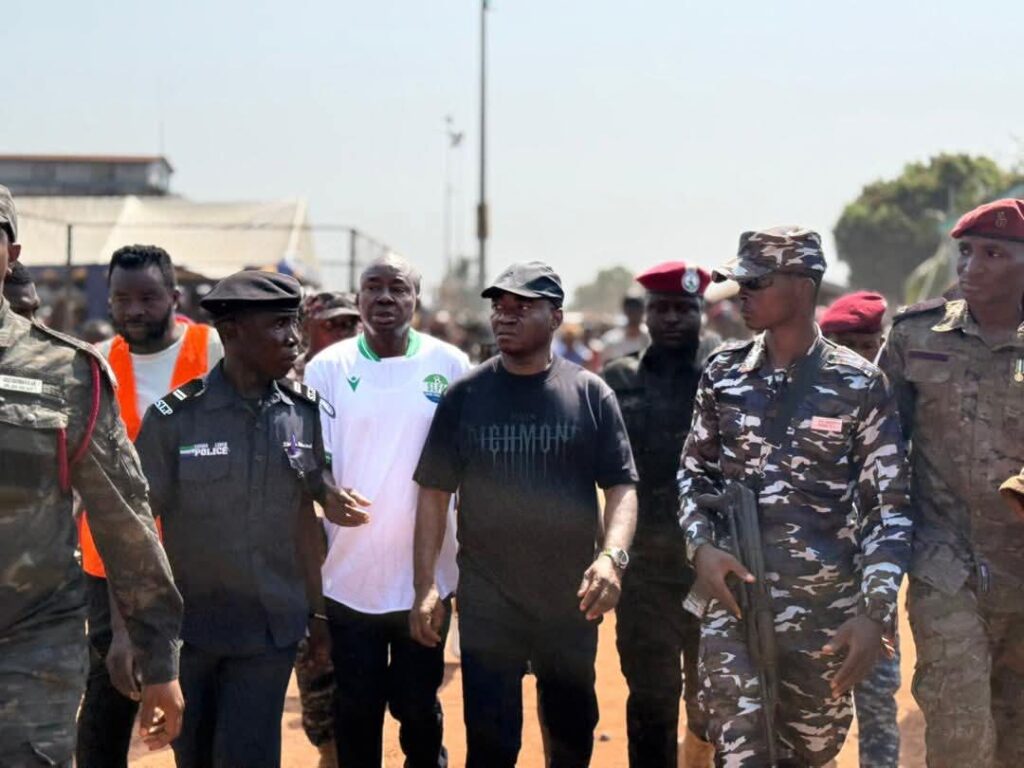
The ceremony attracted several senior officials of the SLFA, including Vice President I, Ali Badara Tarawallie; Chairman of the Northwestern Regional FA, Abdul Osman Turay; Chairman of the Northeastern Regional FA, Brima Jalloh; Chairman of the Southern Regional FA, Benedict Joseph Mogba; and Ex-Officio members Mohamed Sorie Jalloh and Madam Haja Ramatulai Kamara. Also in attendance was the Acting General Secretary of the SLFA, Mohamed Benson Bawoh
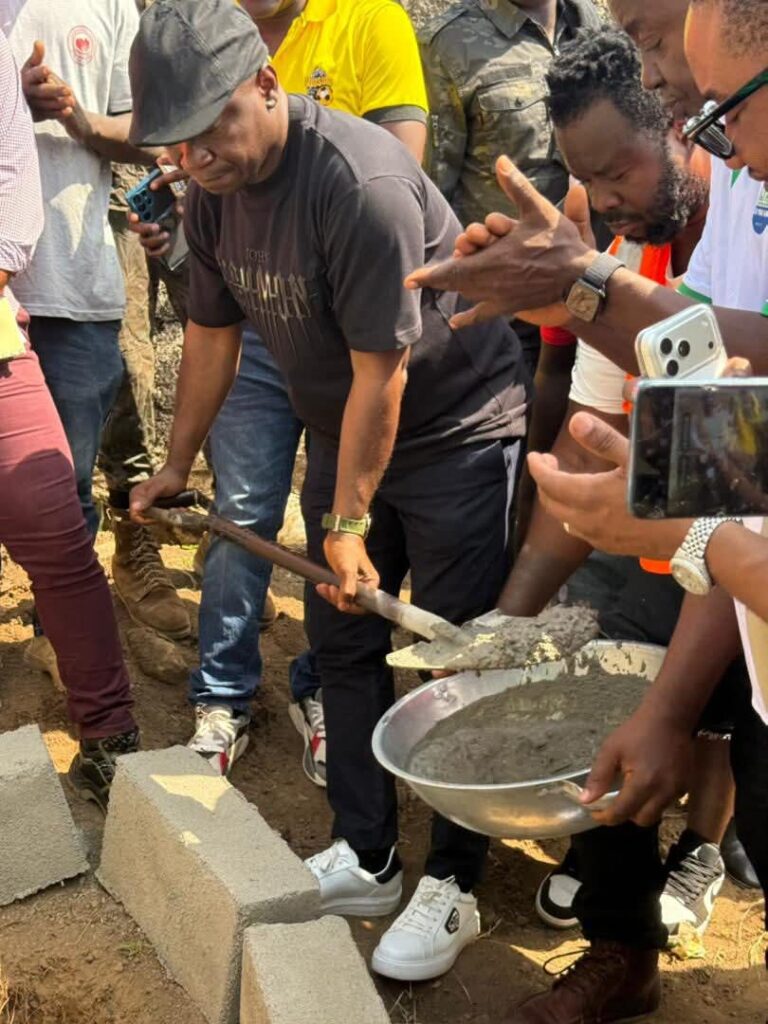
Former SLFA Vice President II, Ali “Commoner” Kargbo, was also present, alongside a large gathering of football administrators, stakeholders, and supporters. Their presence underscored the importance of Wusum Field as a central hub for sporting activities and a symbol of pride for the people of Makeni and the wider Northeast Region.
The rehabilitation of Wusum Field is expected to significantly improve the quality of football infrastructure in the region, providing a safer and more professional environment for matches, training, and community events.