
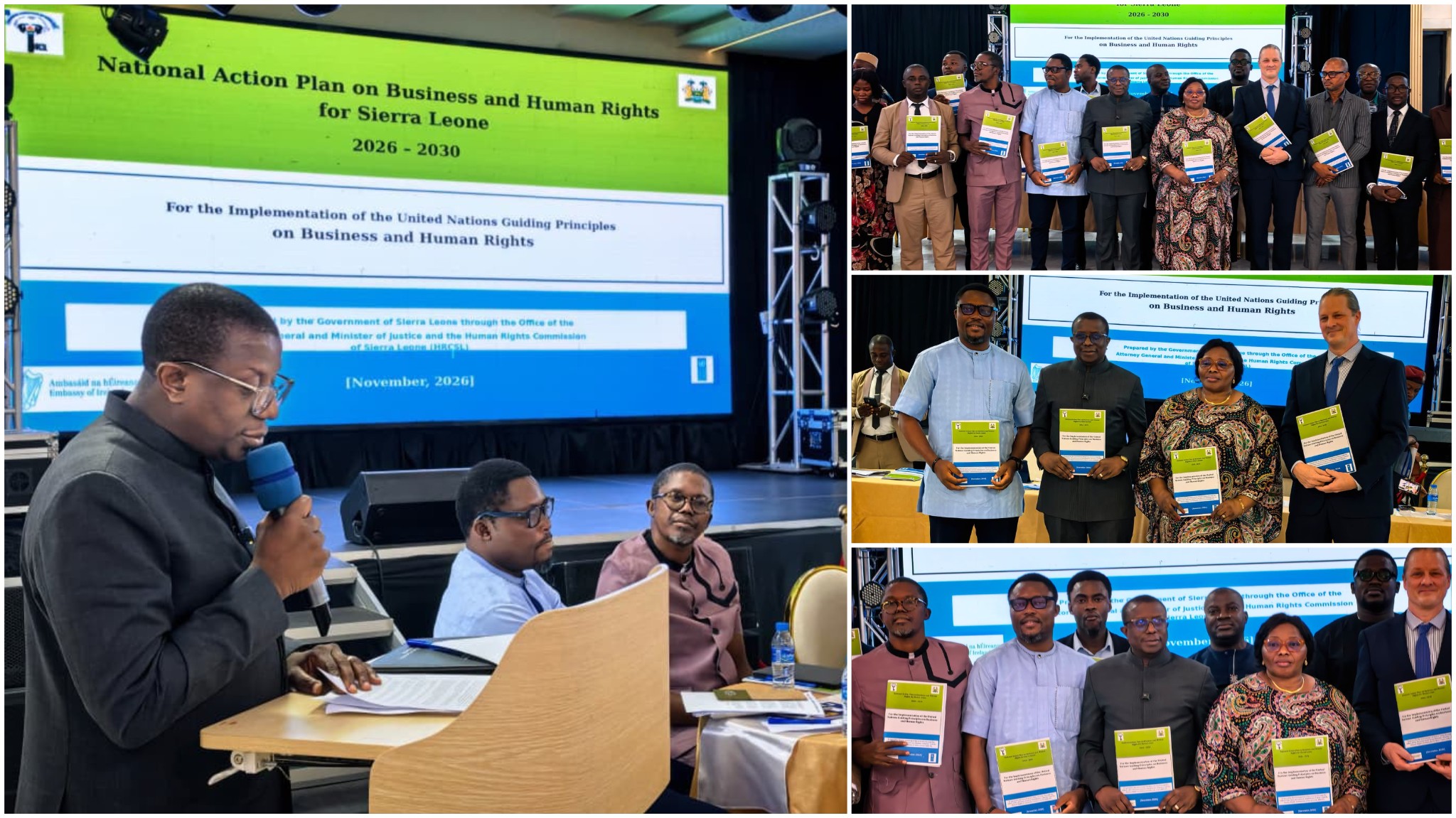
Sierra Leone has officially launched its first National Action Plan on Business and Human Rights (2026–2030), a five-year framework aimed at strengthening human rights protection, promoting decent work and ensuring that businesses operating in the country respect the rights and dignity of workers and surrounding communities.
The plan was launched on Tuesday, 24 November 2026, in Freetown, bringing together representatives of government, development partners, employers, trade unions, civil society organisations and other stakeholders committed to promoting responsible business practices.
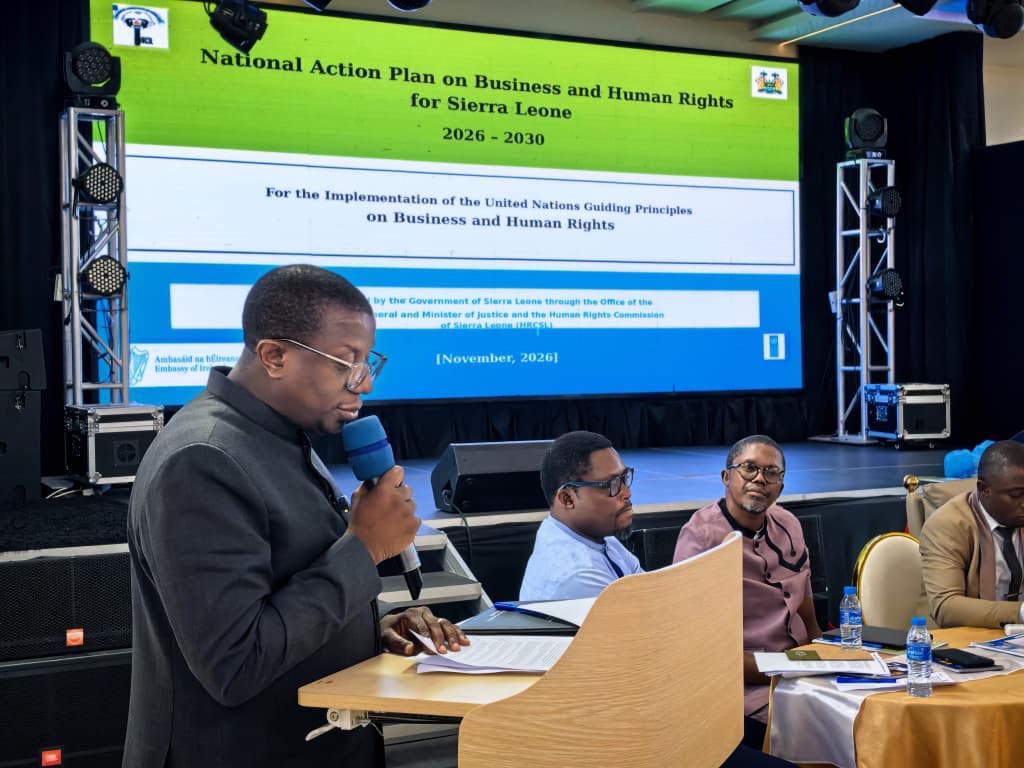
Speaking at the event, the Chairperson of the Human Rights Commission of Sierra Leone, Madam Patricia Narsu Ndanema, welcomed participants and described the initiative as an important national undertaking that requires the collective commitment of all stakeholders.
She commended the Government for its continued commitment to national development and acknowledged the support of partners in advancing human rights protection. Ndanema also reaffirmed the Commission’s commitment to promoting and monitoring human rights across the country, highlighting its previous interventions, including regional baseline assessments aimed at identifying human rights concerns and informing policy decisions.
Delivering the keynote address and officially launching the plan, the Minister of Employment, Labour and Social Security, Hon. Umaru Napoleon Koroma, described the initiative as a significant milestone in Sierra Leone’s efforts to promote responsible business practices and protect workers and communities.
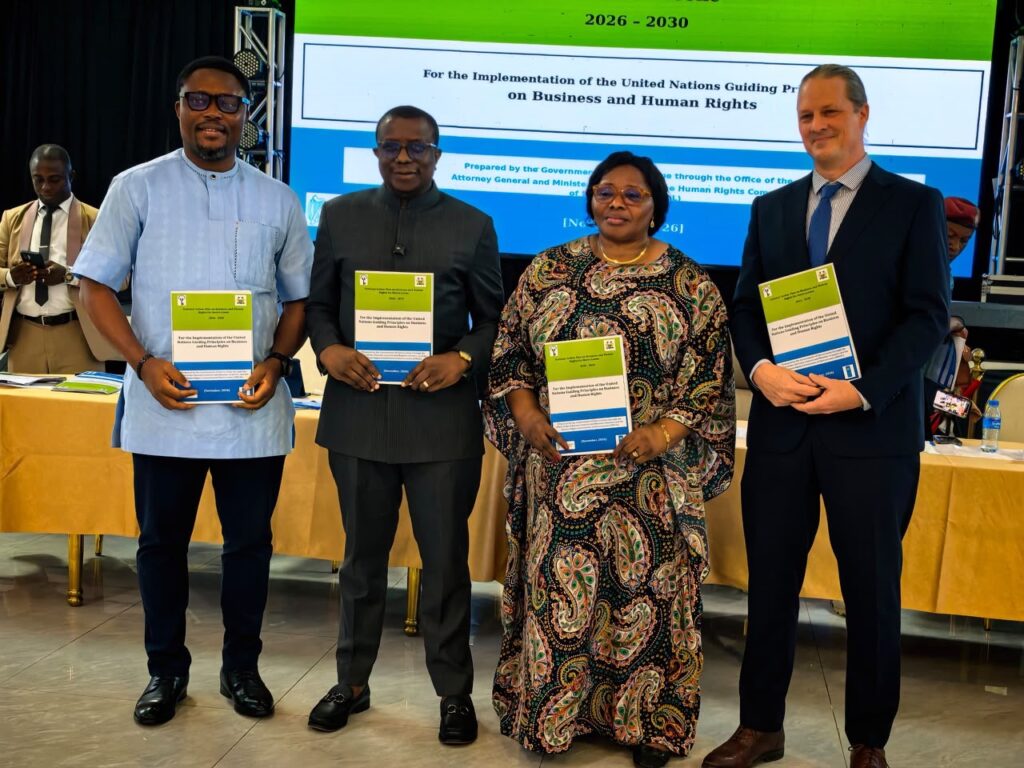
He stressed that the plan was more than a policy document, describing it as a commitment to ensuring that economic development does not come at the expense of human dignity.
The Minister expressed appreciation to the Human Rights Commission for leading the development process and acknowledged the technical and financial support provided by the United Nations Development Programme (UNDP) and Irish Aid.
He warned that economic growth driven by the exploitation of workers, environmental degradation and the dispossession of communities could not be considered sustainable or legitimate. He maintained that respect for human rights must remain central to Sierra Leone’s development agenda.
Highlighting some of the challenges confronting workers and communities, Koroma disclosed that the Ministry continues to receive reports of workers being denied their lawful wages, trade union representatives facing intimidation, unsafe conditions in factories and mines, and communities suffering from industrial pollution.
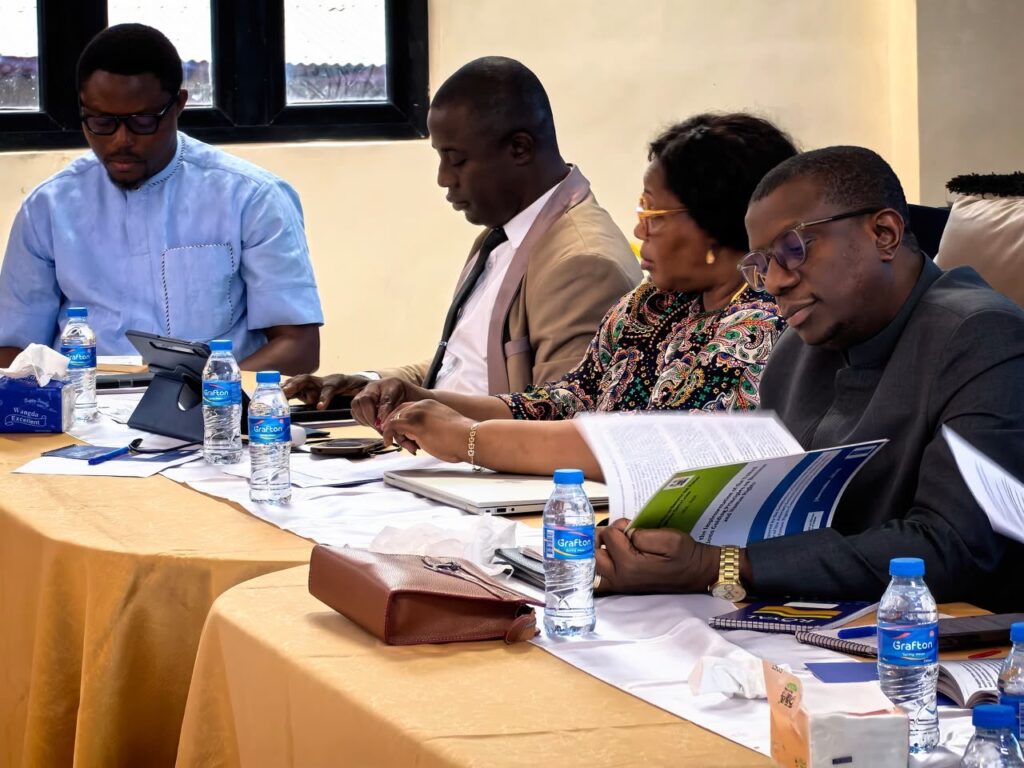
He explained that the National Action Plan provides a framework for translating the United Nations Guiding Principles on Business and Human Rights into practical measures to ensure that businesses and enterprises operating in Sierra Leone respect human rights.
The Minister identified three major priority areas under the plan: employment practices, environmental protection and community rights, and safety in business operations.
On employment practices, he highlighted reforms undertaken by the Ministry, including the increase in the national minimum wage from Le800 to Le1,200, the expansion of social security coverage to workers in the informal sector and the deployment of 165 additional labour inspectors across the country to strengthen labour inspection and enforcement.
He said the new framework would further strengthen monitoring of compliance with wage obligations, working hours, non-discrimination, maternity protection and occupational health and safety standards. It would also improve complaint-handling and remedy mechanisms for workers whose rights have been violated.
On environmental protection and community rights, Koroma emphasised the responsibility of businesses, particularly those in the mining and agricultural sectors, to respect the rights of communities affected by their operations.
He specifically highlighted concerns surrounding land acquisition, pollution control and community consultation, stressing that both foreign and locally owned companies must respect the rights to life, health and livelihood of surrounding communities.
Addressing safety in business operations, the Minister underscored the importance of responsible security arrangements, protecting human rights defenders and preventing forced labour within business supply chains.
He cautioned that the success of the National Action Plan would depend on effective implementation, noting that even the most comprehensive policy would have little impact if it remained on paper.
To ensure its implementation, Koroma assured stakeholders that the Ministry would integrate the plan’s employment indicators into its labour inspection activities, strengthen tripartite dialogue among government, employers and workers, and invest in public awareness and capacity-building initiatives.
He also pledged to work with the Human Rights Commission and the Office of the Attorney General and Minister of Justice to publish annual progress reports, providing a mechanism for transparency and public accountability.
The Minister called on businesses to embrace the plan as an opportunity to improve workplace relations, strengthen their operations and enhance their competitiveness in international markets.
He also urged trade unions and civil society organisations to remain actively involved in monitoring implementation, documenting human rights violations, providing evidence and holding relevant institutions accountable.
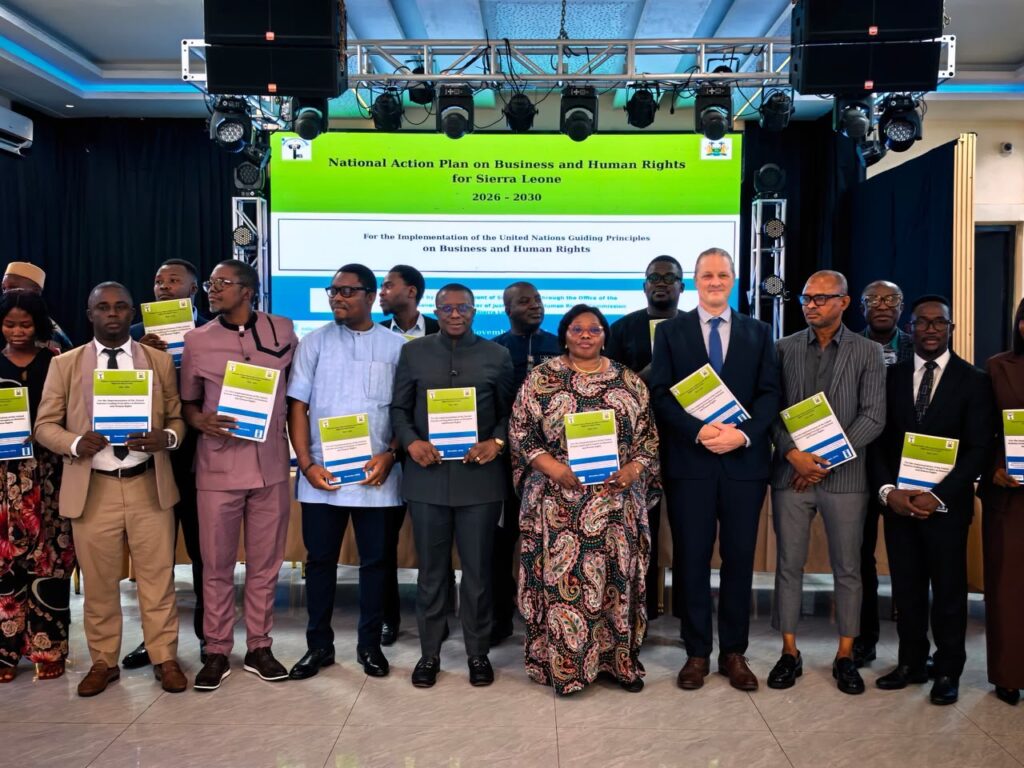
Koroma reaffirmed the Government’s commitment to attracting investment, creating employment opportunities for young people and promoting sustainable economic growth while ensuring that workers’ rights and human dignity are protected.
He concluded by formally declaring the National Action Plan on Business and Human Rights (2026–2030) launched, describing it as a roadmap for ensuring that business prosperity, decent work and human rights protection advance together in Sierra Leone.