
By Usman Fambuleh
Statistics Sierra Leone has commenced the Training of Enumerators and Supervisors (TOES) ahead of the 2026 Population and Housing Census, with participants urged to demonstrate professionalism, honesty, accuracy and commitment in collecting reliable demographic data across the country.
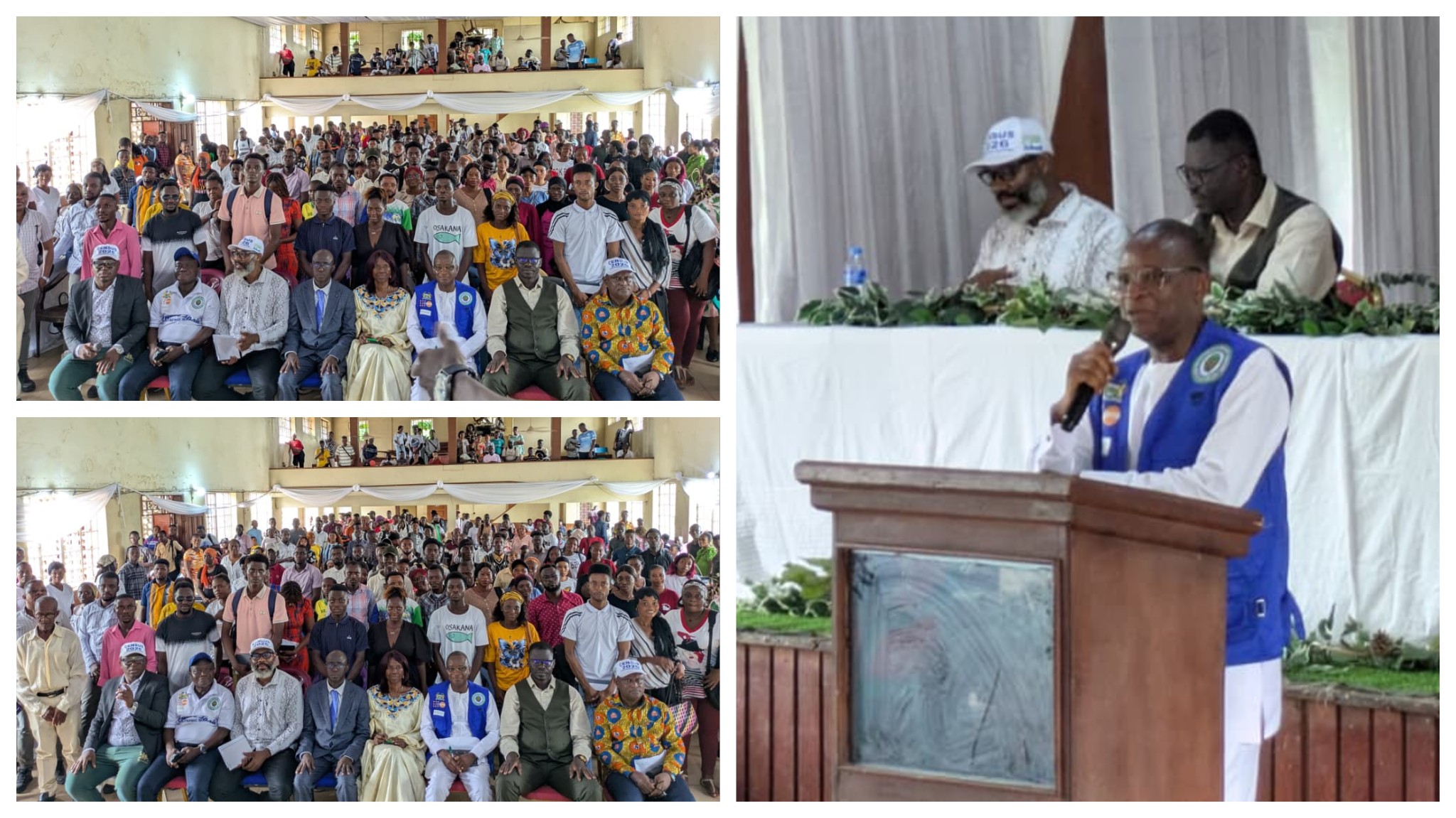
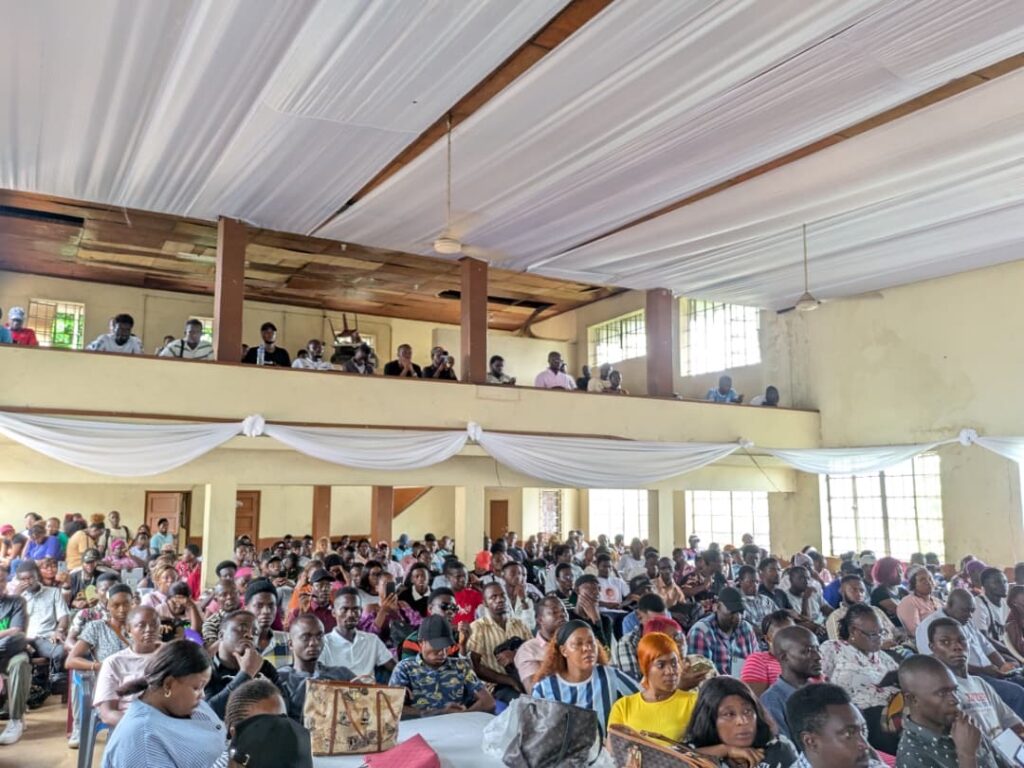
The training officially commenced on Wednesday, November 11, 2026, at the Y.W.C.A. Hall in Brookfields, Freetown, bringing together government officials, representatives of Statistics Sierra Leone, development partners and representatives of the country’s two main political parties.
The 12-day programme combines classroom instruction with practical field exercises designed to equip participants with the knowledge and skills required to conduct the nationwide census successfully.
Welcoming participants, the Mayor of Freetown, Yvonne Aki-Sawyerr, underscored the importance of the census to national development, particularly in shaping government policies, planning and resource allocation.
She described the responsibilities of enumerators and supervisors as one of the most significant national assignments, stressing that the information collected would help the government make informed decisions about the country’s development priorities.
According to her, accurate population figures are essential for assessing the country’s economic performance and supporting sustainable growth.
“When we know the number of the population in Freetown, it will help the GDP and economic growth of the country,” she stated.
The Mayor also cautioned participants about the physical challenges they might encounter during the exercise, particularly when accessing hard-to-reach communities. She reminded them that their responsibilities could require them to climb mountains, cross rivers and navigate difficult roads, including densely populated informal settlements, to ensure that no community is excluded from the census.
She further urged Freetown residents to take responsibility for maintaining a clean environment, reiterating her campaign slogan, “Dorti Mus Go.”
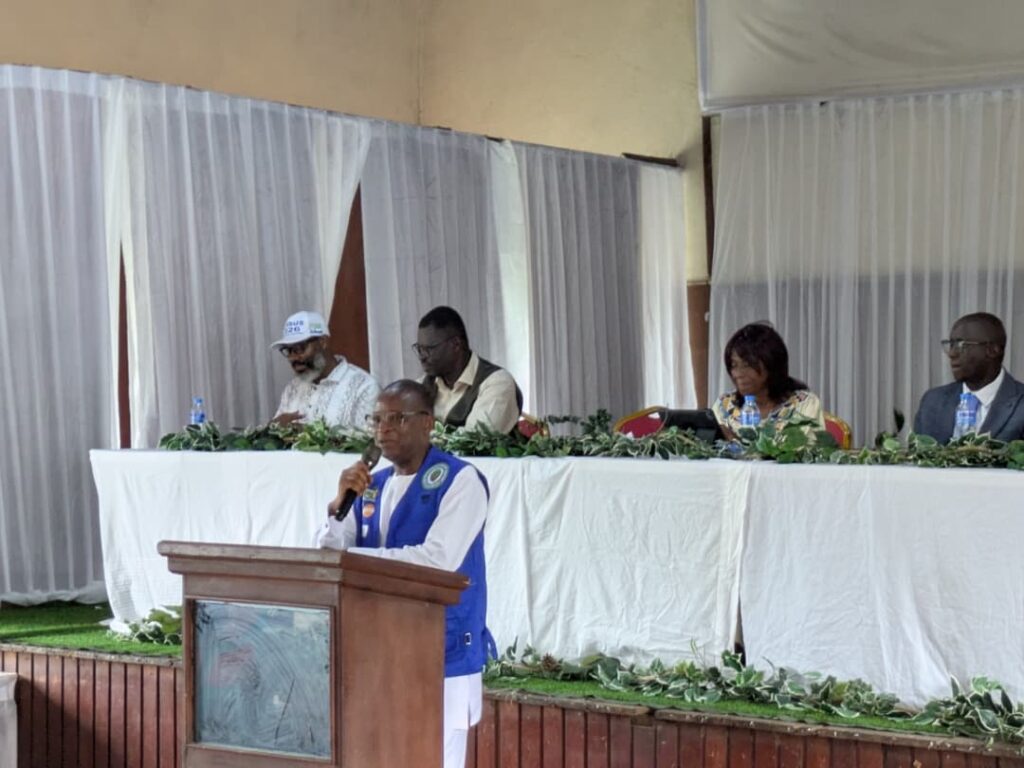
In his address, the Statistician General and Chief Census Officer, Andrew Bob Johnny, described the 2026 Population and Housing Census as the heartbeat of Sierra Leone’s national development, emphasising that the country’s future planning depends largely on reliable socioeconomic and demographic information.
He said the success of the country’s development agenda would be influenced by the quality of information generated through the census, noting that the data would provide the government with a foundation for making critical decisions over the next decade.
Mr Johnny urged enumerators and supervisors to view their participation as a contribution to nation-building rather than merely an employment opportunity.
“Please take your work seriously, as the next 10 years’ developmental plans of Sierra Leone will be highly influenced by this information,” he admonished.
He disclosed that the training was taking place simultaneously in Freetown and other districts across the country as part of preparations for the nationwide exercise.
Providing details of the recruitment process, the Statistician General revealed that more than 60,000 people had applied through the online recruitment portal, although only 30,000 participants were required for the exercise.
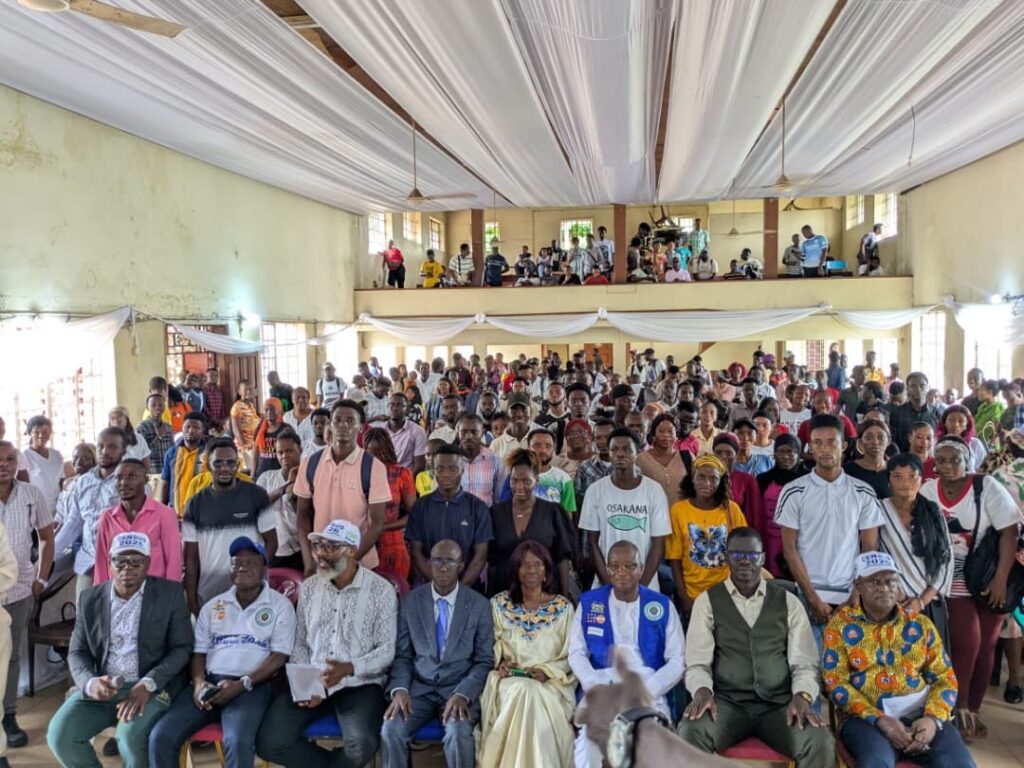
He encouraged those selected for the training to appreciate the opportunity, reminding them that their contribution would play a direct role in the country’s development process.
Delivering the keynote address, the Minister of Planning and Economic Development, Honourable Kenyeh Barlay, challenged enumerators and supervisors to uphold the highest standards of honesty, accuracy, neutrality and professionalism throughout the census exercise.
She described the assignment as a responsibility entrusted to them by the government and warned against fabricating, manipulating or providing inaccurate information during data collection.
The Minister stressed that the information, which would be collected electronically using tablets, would play a critical role in shaping the country’s economic policies and future development plans.
She also urged trainers to ensure that participants fully understood the census procedures and their respective responsibilities before proceeding to the field. According to her, the quality of training and supervision would significantly determine the effectiveness of the exercise.
“A good supervisor produces a good enumerator,” she emphasised, while warning that shortcomings in the exercise could also expose trainers and supervisors to accountability.
Mrs Barlay further noted that the census had moved beyond the planning stage and was now entering the implementation phase, requiring the full commitment of everyone involved.
She urged participants to attend all training sessions and practical exercises, remain accurate and impartial in their duties, respect every respondent and demonstrate sensitivity towards persons with disabilities.
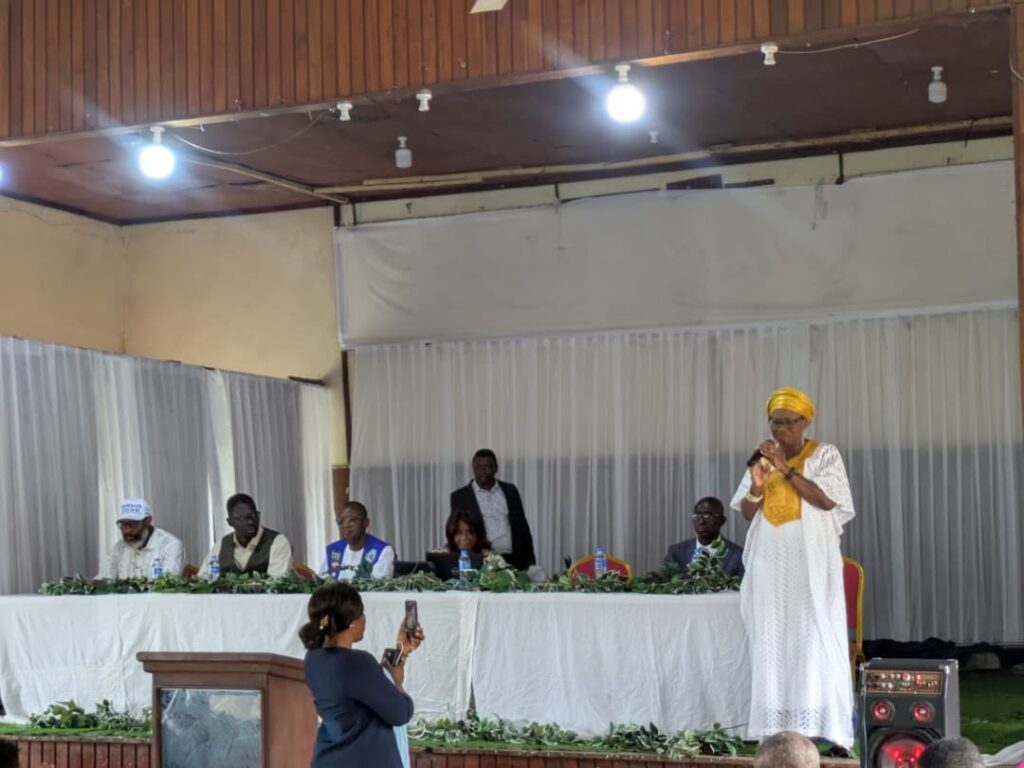
The Minister particularly stressed the importance of inclusivity, insisting that no individual or community should be left out of the national exercise.
Addressing the general public, she appealed to Sierra Leoneans to welcome enumerators when they visit their homes and provide truthful information to support the successful conduct of the census.
“Enumerators and Supervisors must be present, attend all practicals, be accurate, respect everyone, remain neutral, treat people with disabilities respectfully, and leave no one behind,” she urged.
She subsequently declared the 2026 Population and Housing Census officially open.
Meanwhile, the Deputy Statistician General, Lansana Kanneh, outlined the payment structure and contractual arrangements for enumerators, supervisors and field officers, while emphasising the importance of collecting accurate and reliable data.
He explained that the census was not simply about counting people but about generating the information needed to guide Sierra Leone’s development.
“It is not about counting people; the development of Sierra Leone depends on the 2026 Census. Therefore, you must collect accurate and quality data,” he stressed.
Mr Kanneh disclosed that participants who successfully completed the training and were selected for field deployment would receive contracts covering 21 days, equivalent to three weeks.
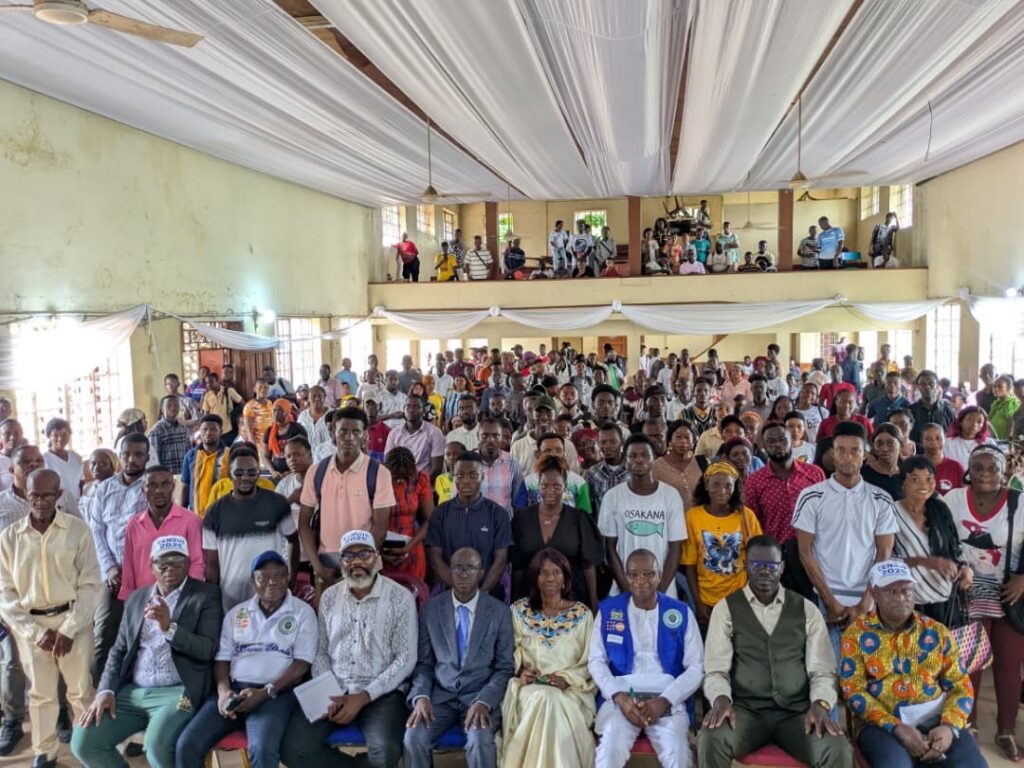
He further provided a breakdown of the proposed payments, stating that enumerators would receive a total of Le 8,700, supervisors Le 12,600 and field officers Le 12,750. He explained that the amounts included transportation refunds, bicycle-hiring costs and payments for services rendered.
On the payment arrangements, the Deputy Statistician General said the amounts would be disbursed in three instalments, with 40 per cent paid at the beginning of the assignment, 30 per cent at the midpoint and the remaining 30 per cent upon completion of the work.
He also assured participants that tablets and other necessary resources had been provided to support data collection, adding that the training would familiarise them with the proper use of the devices before they begin field operations.