
BAHIR DAR, ETHIOPIA | 24 October 2026
Former President of Sierra Leone, H.E. Dr. Ernest Bai Koroma, has called on African leaders to confront governance failures, strengthen democratic institutions and exercise the political will necessary to protect the continent’s resources and secure lasting peace.
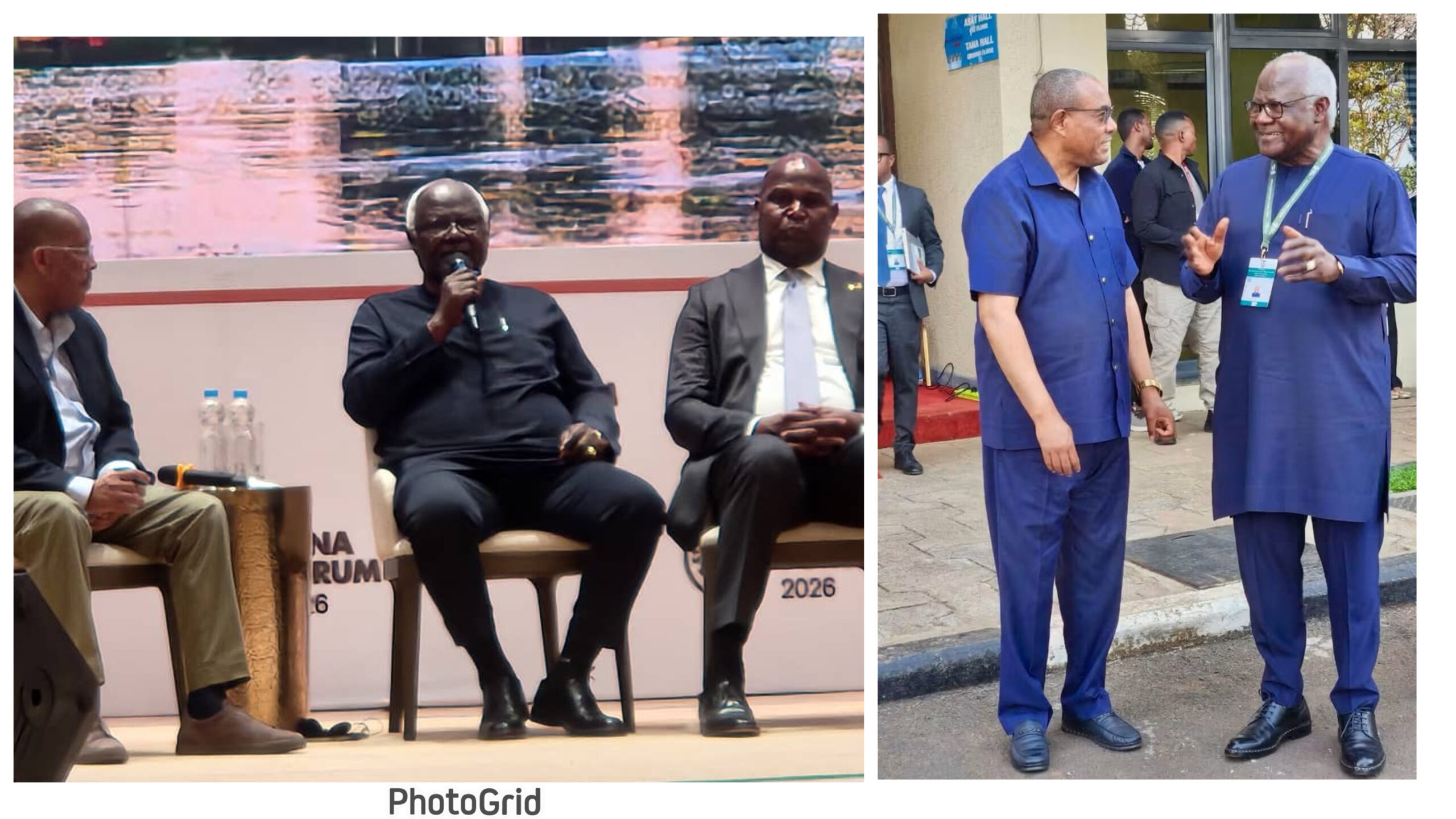
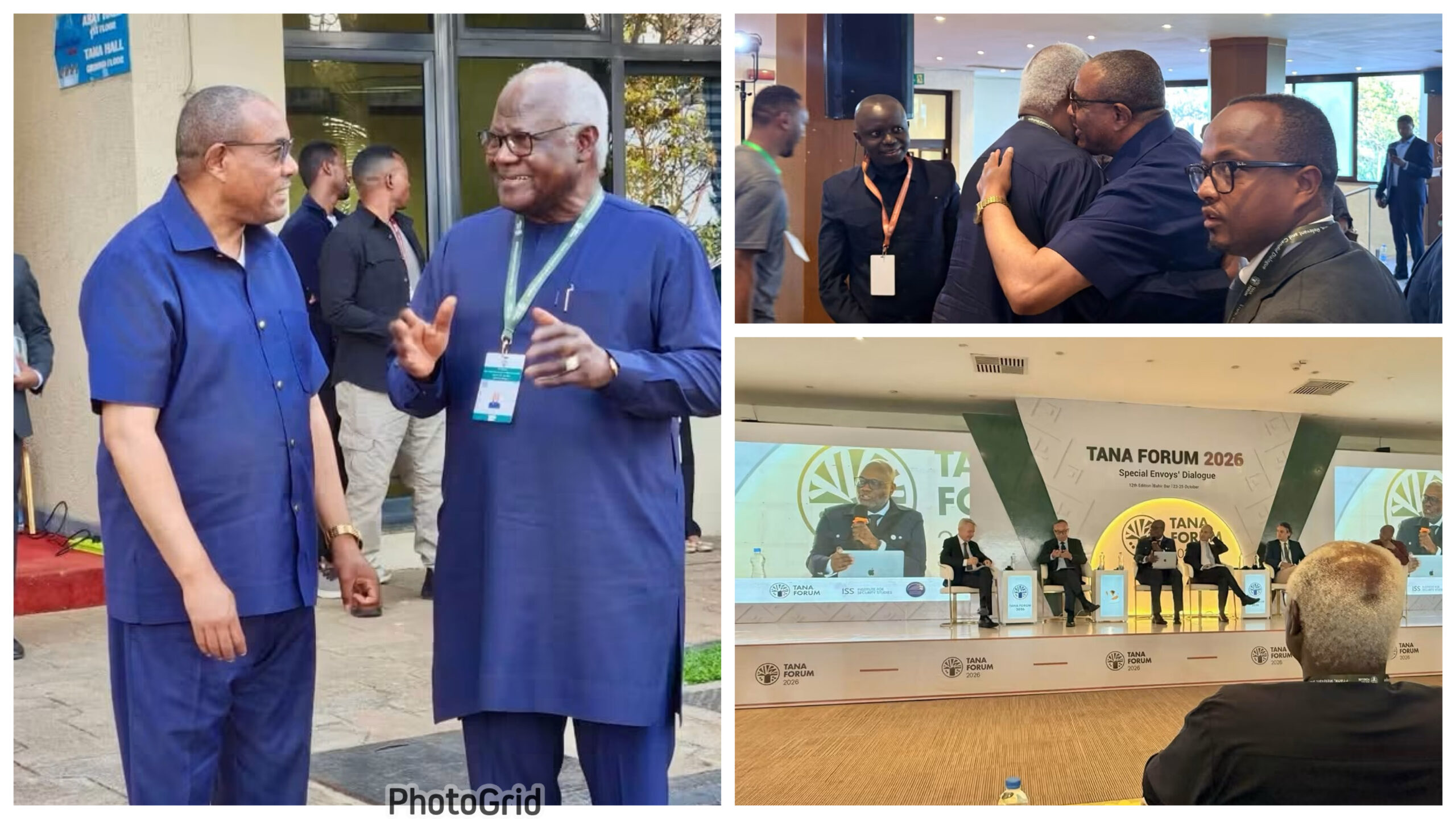
Speaking at the 12th Tana High-Level Forum on Security in Africa, held in Bahir Dar, Ethiopia, from 23 to 25 October, Koroma argued that Africa’s abundance of natural resources had not translated into commensurate prosperity because of persistent weaknesses in leadership, resource management and institutional capacity.
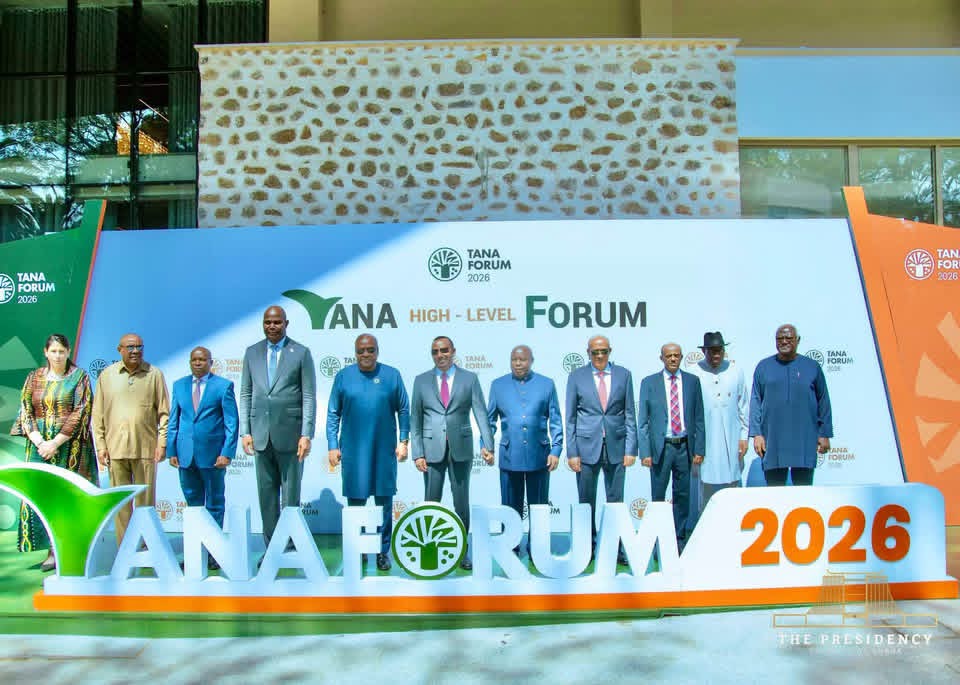
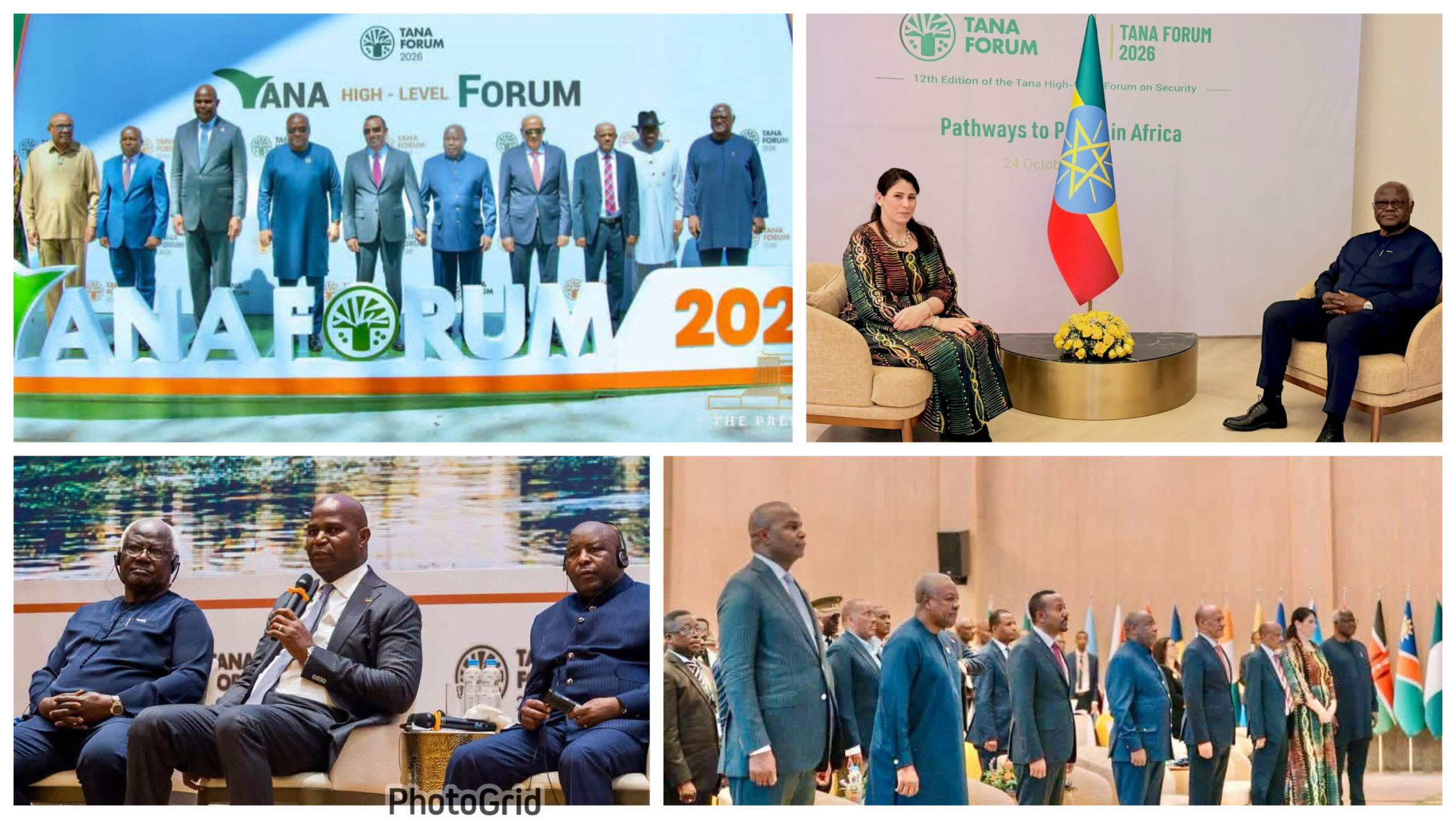
His intervention came during the high-level panel, “From the Margins to the Centre: Building an African Model for Peace and Sovereignty in an Age of Geopolitical Rivalry.” Along with H.E. Évariste Ndayishimiye, President of the Republic of Burundi; H.E. Daniel Francisco Chapo, President of the Republic of Mozambique; H.E. Prof. Kithure Kindiki, Deputy President of the Republic of Kenya; and Uganda’s Minister of Defence, Hon. Kiryowa Kiwanuka, representing President Yoweri Museveni, he examined how the continent could strengthen its sovereignty, manage its resources and respond to intensifying global competition.
Koroma challenged African governments to look beyond historical grievances and take responsibility for the choices shaping their countries’ futures.
“Do we have the political will to address these issues?” he asked, identifying that commitment as fundamental to building the institutions and systems required for effective governance, security and economic transformation.
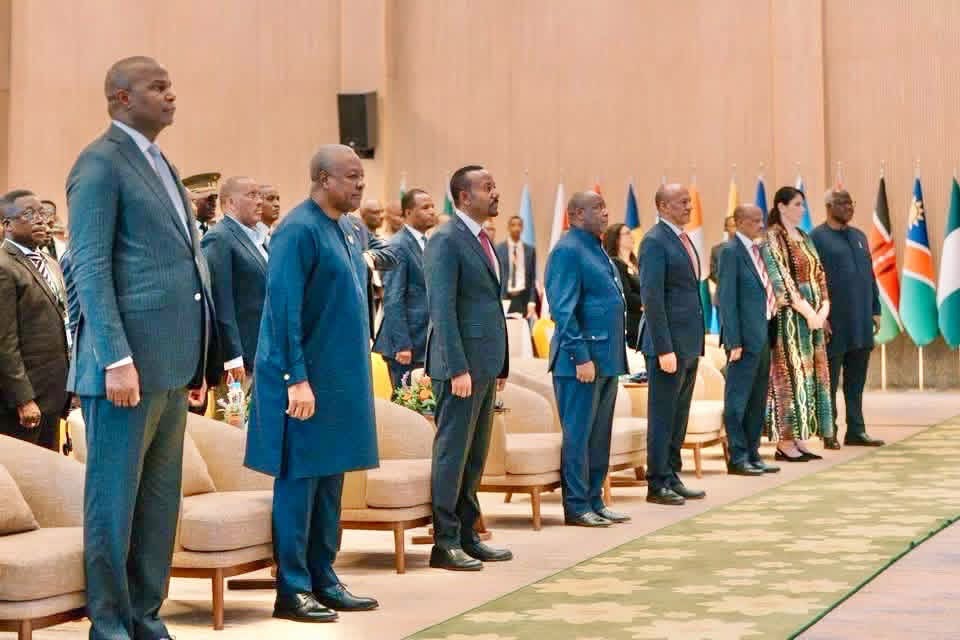
He stressed that sovereignty must be demonstrated in practice, not just proclaimed. Africa, he argued, cannot claim genuine independence while unable to finance its own priorities, protect its mineral wealth or process raw materials into products that generate employment and public revenue.
“We cannot be sovereign when we cannot fund ourselves. We cannot be sovereign when we cannot protect our minerals,” he said.
The former President also emphasised the relationship between democracy and security, urging governments to guarantee free and fair elections, combat corruption and establish efficient systems capable of managing national resources in the interests of their citizens.
He called for stronger regional cooperation and a more effective African Union, arguing that individual states cannot adequately confront contemporary security threats in isolation. Regional security arrangements must help countries strengthen democratic governance, build institutional capacity and resist external pressures that exploit domestic weaknesses.
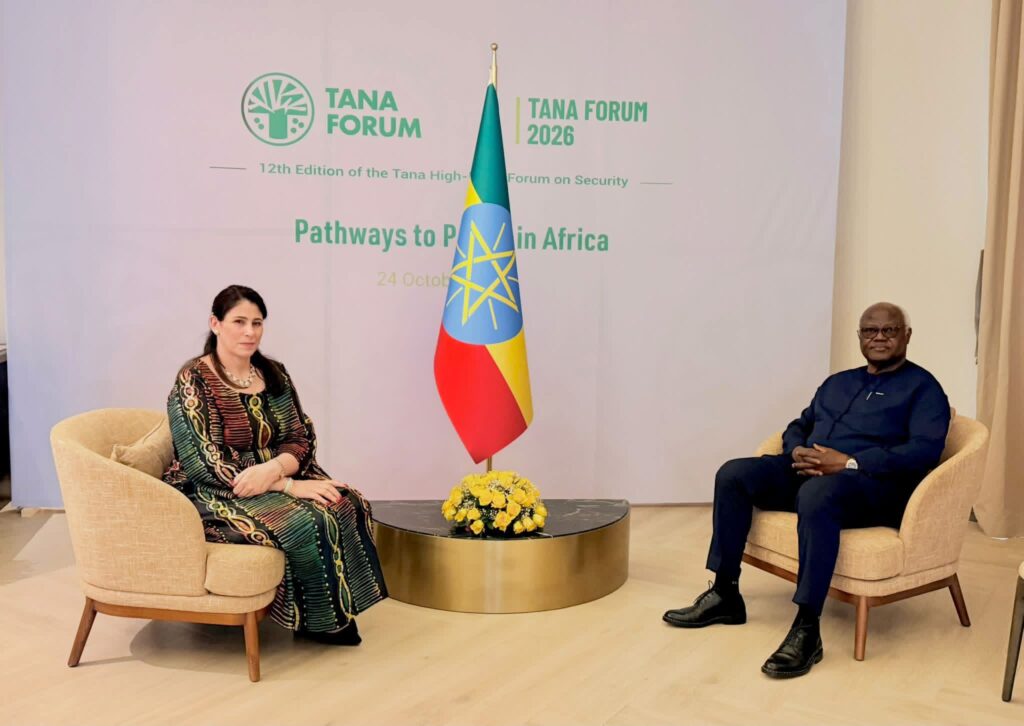
Koroma also drew attention to the long-term human cost of conflict, particularly its consequences for young people in countries including Somalia, Sudan and the Democratic Republic of Congo. Beyond immediate casualties and material destruction, he warned, war deprives an entire generation of education, productive opportunities and the capacity to contribute to national development in the years ahead.
His contribution reflected concerns also raised by Ghanaian President John Dramani Mahama, Chairman of the Tana Forum Board, who, in his opening address, called for a decisive shift away from structural economic dependency towards domestic industrialisation, food and energy sovereignty, and greater African control over the continent’s development priorities.
Mahama warned that intensifying geopolitical rivalries and competition for critical minerals risked turning Africa into an arena for external contestation. He argued that sustainable peace depended on African ownership, economic justice and the capacity to finance the continent’s own security and development.
Ethiopian Prime Minister Abiy Ahmed similarly urged African countries to strengthen economic sovereignty, deepen cooperation and develop homegrown solutions to global challenges. He emphasised that peace agreements must be honoured and supported by accountable leadership, functioning institutions and tangible improvements in people’s lives.
The resource question also featured prominently in the panel discussion. Uganda’s ministerial representative, Kiryowa Kiwanuka, called for African countries to retain more value from their natural resources through local processing and stronger regional markets. He argued that development should be measured by the wealth created for citizens, not simply by infrastructure constructed.
Together, the interventions underscored a common concern: Africa’s natural wealth, demographic strength and regional institutions must translate into greater prosperity, stronger public institutions and lasting security.
For Koroma, however, the decisive test lies in implementation. He cautioned against allowing continental gatherings to become recurring exercises in discussion without measurable results. He called for institutions that monitor governance, assess how resources are used and ensure that commitments produce practical benefits.
The 12th Tana Forum is being held under the theme “Pathways to Peace in Africa: Economic Sovereignty and Geopolitical Transformation.” Its central objective is to examine how African countries can build sustainable peace while strengthening their economic independence and capacity to shape a rapidly changing international order.
Koroma’s intervention brought that challenge into sharp focus: lasting peace will require more than diplomatic declarations or external assistance. It will depend on responsible leadership, accountable institutions, cooperation among African states and the political will to place the continent’s resources at the service of its people.
Tana High-Level Forum on Security in Africa