
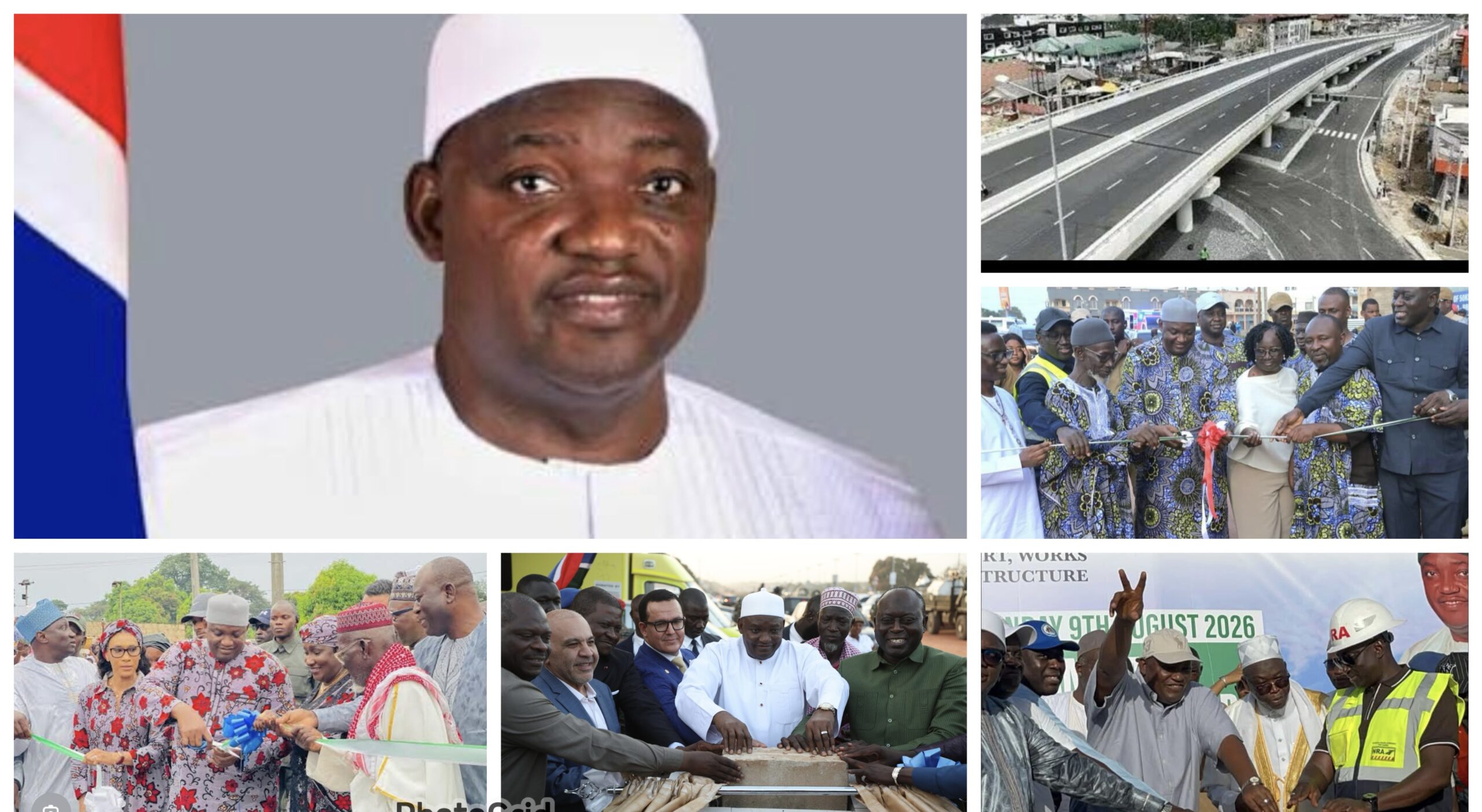
Barrow’s Development Drive and Global Partnerships Shape Gambia’s Transformation From Rural Infrastructure to International Diplomacy, President’s Record Reflects Progress, Ambition and Challenges Ahead
By Alhaji Dauda Musa Bangura
President Adama Barrow’s leadership of The Gambia continues to attract attention through an ambitious development agenda centred on infrastructure, electricity access, education, healthcare and international cooperation. Since taking office in 2017, Barrow’s administration has pursued a programme of national development intended to improve connectivity, expand essential services and strengthen The Gambia’s engagement with regional and international institutions. As the country looks towards its December 2026 presidential election, the administration’s record offers an important basis for examining both the progress made and the challenges that remain.
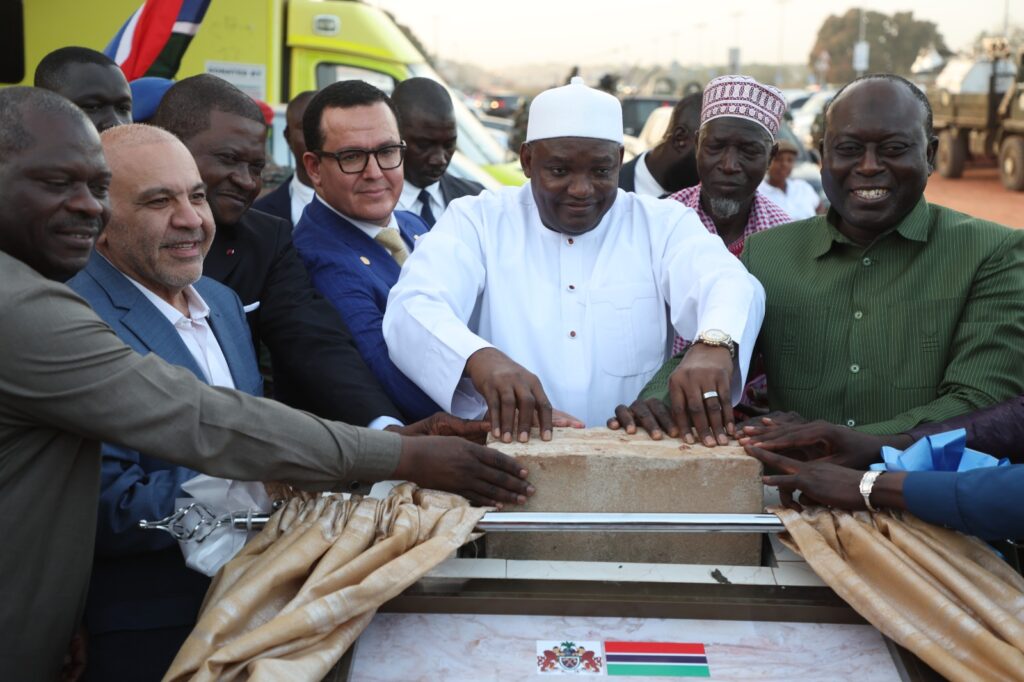
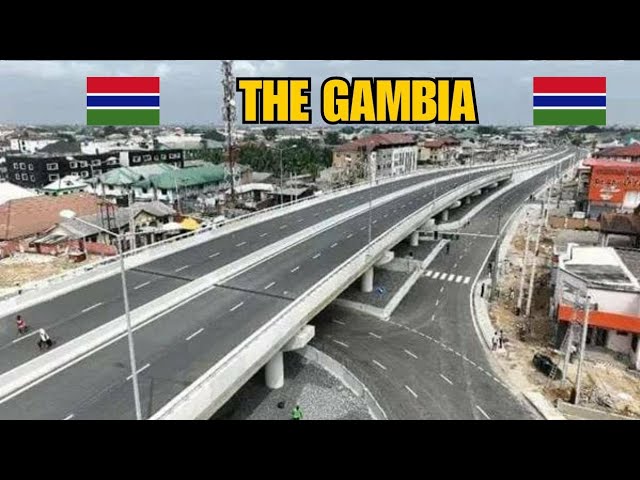
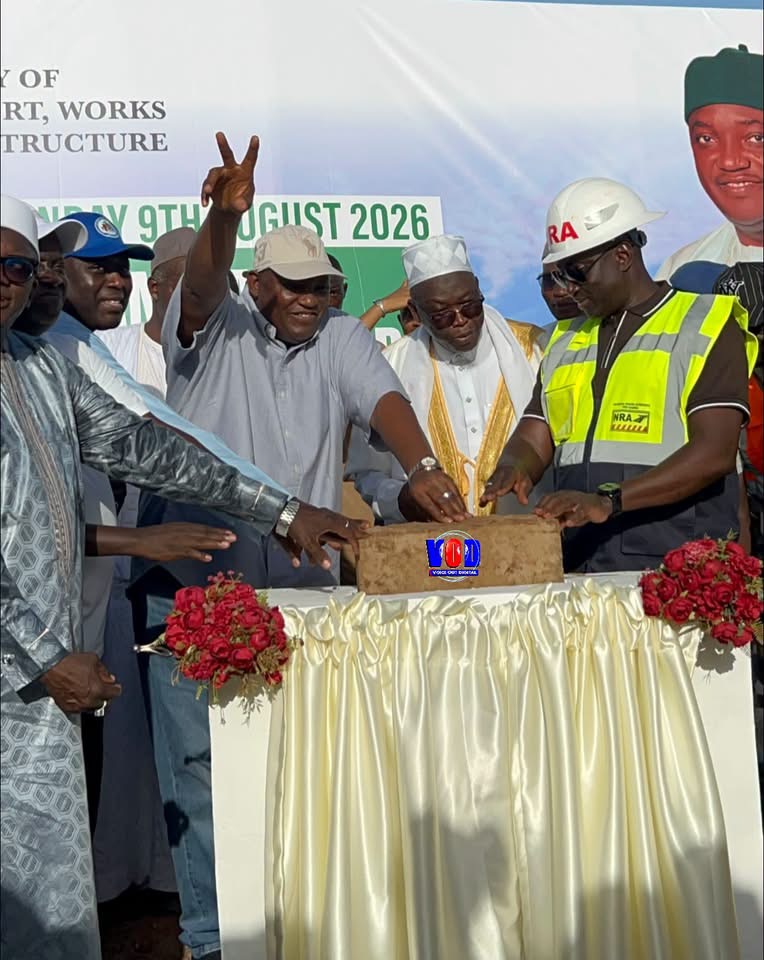
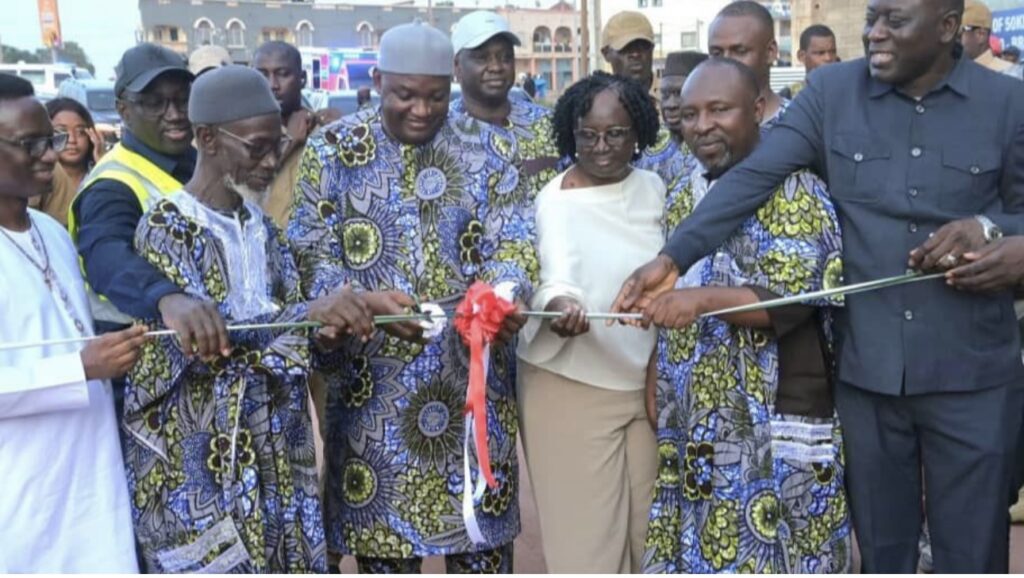
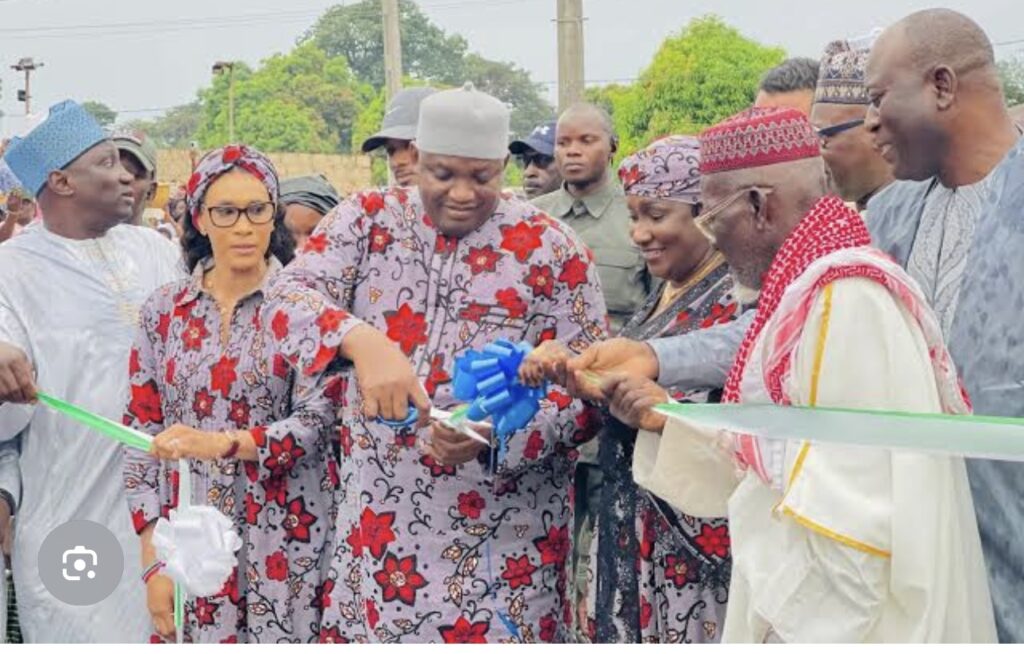
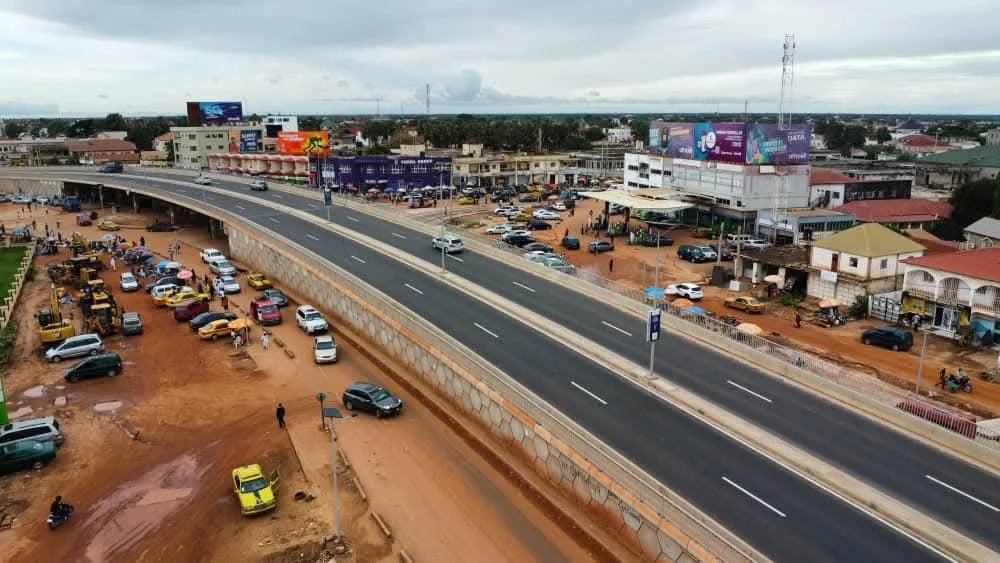
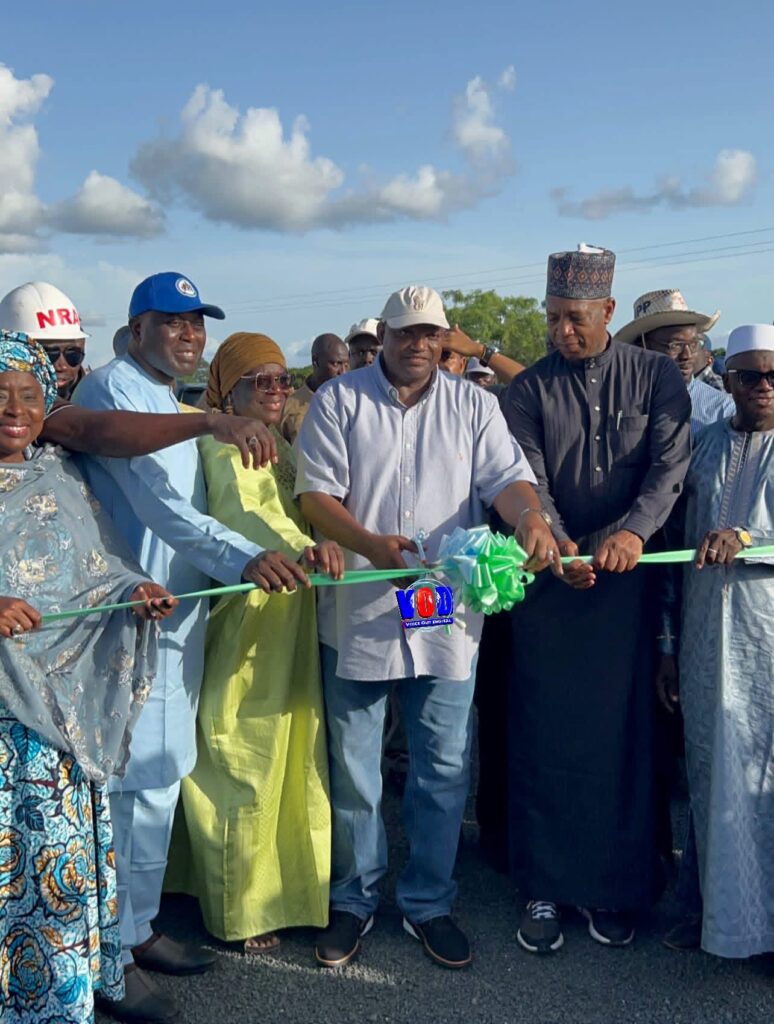
One of the most visible areas of development is road infrastructure. On 8 August 2026, Barrow launched projects covering more than 360 kilometres of roads across the North Bank Region under the government’s Connect Gambia Infrastructure Initiative. The following day, he inaugurated the completed 17-kilometre Banni–Salikene–Njaba Kunda Road and launched another 52.1-kilometre road project. According to the National Roads Authority, the programme is designed to improve rural connectivity, help farmers transport produce, reduce travel difficulties and strengthen access to markets and essential services. These investments are particularly significant for rural communities, where poor road networks can limit economic opportunities and access to healthcare and education.
Electricity access is another central pillar of the administration’s development agenda. In February 2026, Barrow announced that 719 communities nationwide had been electrified, including 209 in the North Bank Region. His government projected that national electricity coverage would rise to approximately 90 per cent, with universal access targeted by the end of 2026. The administration has also continued investing in the expansion of electricity networks, signing contracts worth approximately US$14.2 million in September 2026 to extend access to 241 communities in the Upper River and Central River regions. These initiatives could create opportunities for rural businesses, improve services in schools and health facilities, and support agricultural processing. Nevertheless, recent power shortages and public protests demonstrate that expanding connections must go hand in hand with reliable electricity supply.
Beyond physical infrastructure, Barrow’s administration has highlighted education, healthcare and institutional development as priorities. In his 2026 New Year message, the President reported an increase in university and tertiary education opportunities during 2025 and outlined plans to improve healthcare delivery. The government has also pursued development partnerships, including a US$37.5 million Islamic Development Bank-supported School of Medicine and Allied Health Sciences project scheduled for implementation between 2025 and 2030. Such investments are important to the country’s long-term human capital development, particularly in building professional capacity and improving access to essential services. Their ultimate value, however, will depend on effective implementation, adequate staffing, affordability and the quality of services delivered to ordinary citizens.
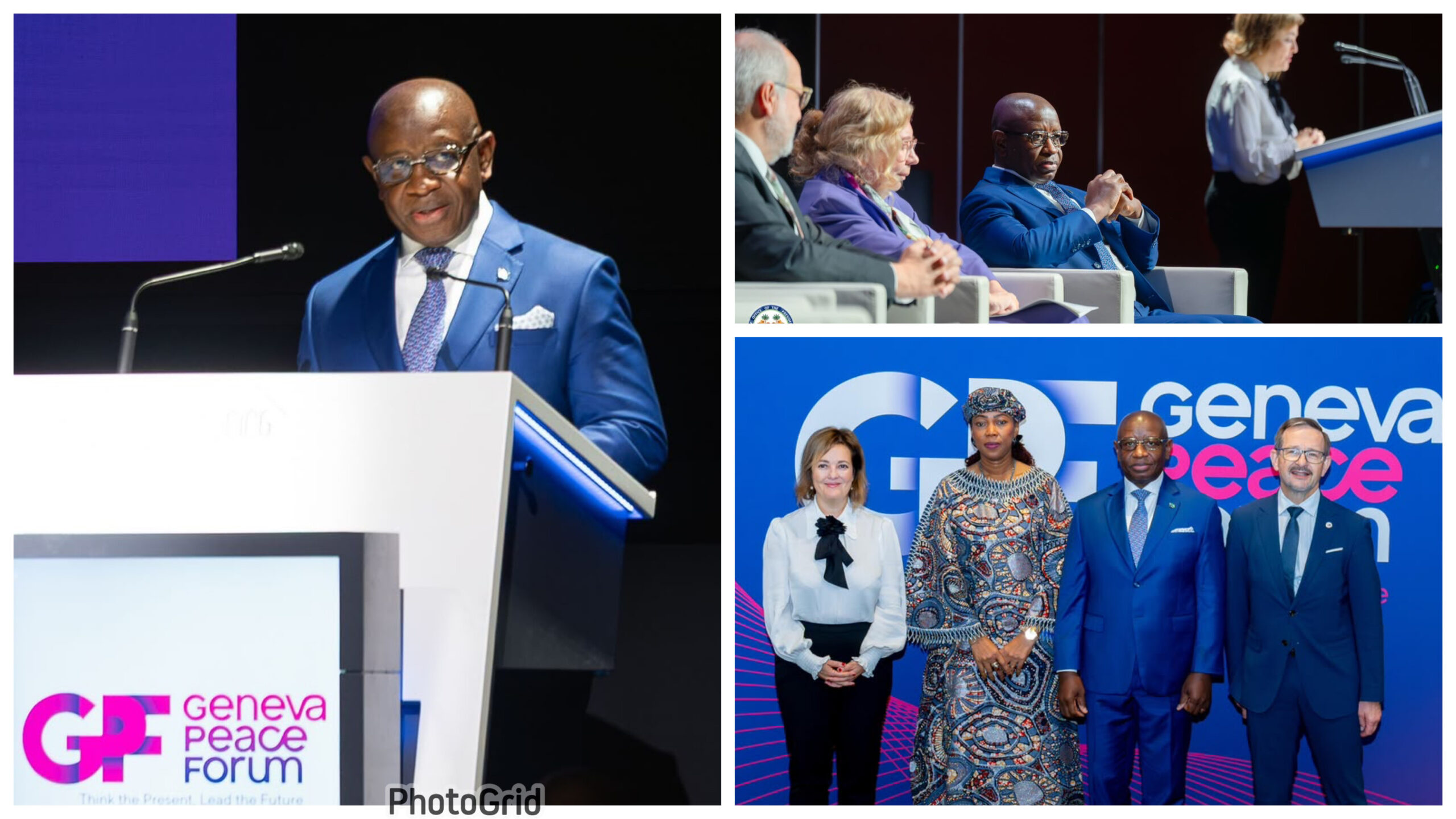
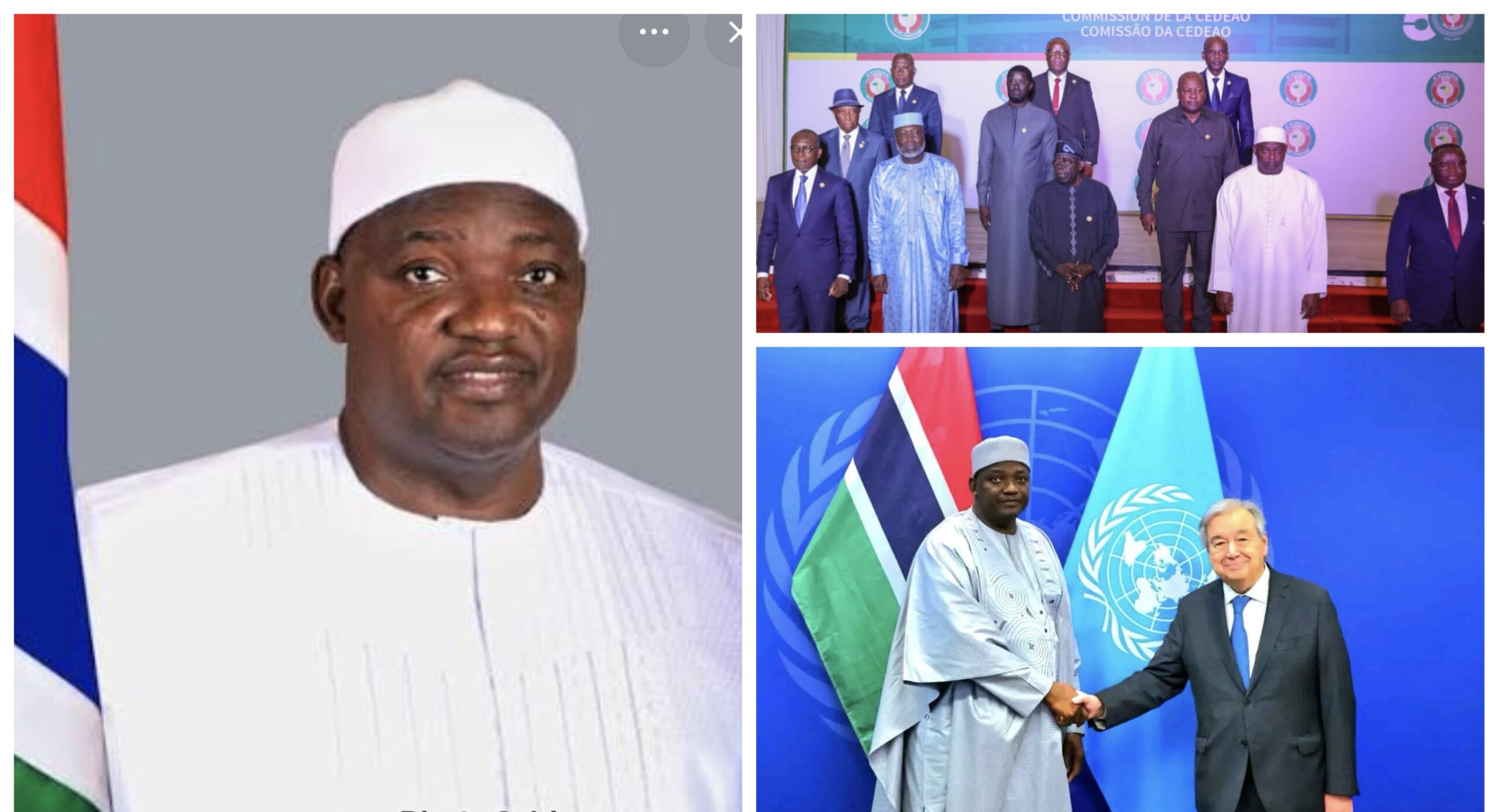
Internationally, Barrow has continued to pursue cooperation with development partners and regional institutions. The Gambia’s engagement with the World Bank, African Development Bank, European Union, European Investment Bank and Islamic Development Bank has helped support projects in energy, education and infrastructure. His administration has also highlighted the country’s participation in the United Nations, African Union, ECOWAS and Organisation of Islamic Cooperation as part of its diplomatic engagement. Barrow’s receipt of the Grand Prix MEDays 2025 and the 2024 African Peace Award further demonstrates the international recognition associated with his peacebuilding and cooperation agenda. These honours contribute to the country’diplomatic profile, although they should be assessed separately from measurable domestic outcomes.
Yet, no comprehensive assessment of Barrow’s leadership would be complete without confronting the difficulties that continue to affect Gambians. The cost of living, youth unemployment, irregular migration and electricity reliability remain major concerns. The government itself acknowledged several of these challenges in its 2026 New Year message, while September’s electricity-related protests illustrated the gap that can exist between infrastructure targets and the daily experiences of citizens. The administration’s development record must therefore be judged not only by kilometres of roads constructed, communities connected to electricity or international awards received, but also by whether economic opportunities expand, public services improve and living conditions become more affordable.
Ultimately, President Adama Barrow’s development agenda reflects an effort to reposition The Gambia through infrastructure investment, public-service expansion and international cooperation. The road projects, electrification initiatives and partnerships outlined by his government represent tangible areas of activity, while international honours provide additional visibility for his leadership. The next measure of success will be the durability of these investments and the extent to which they deliver practical benefits to Gambians across every region. For a country seeking sustained economic growth and stronger institutions, the challenge is to turn development commitments into reliable services, productive employment and lasting improvements in the lives of its people.