
Senegal’s Chief of Staff to the Minister of Fisheries and the Maritime Economy, Baba Ndiaye, has described agriculture as a credible alternative for creating jobs and strengthening food security across Africa, amid declining fish catches and rapid population growth.
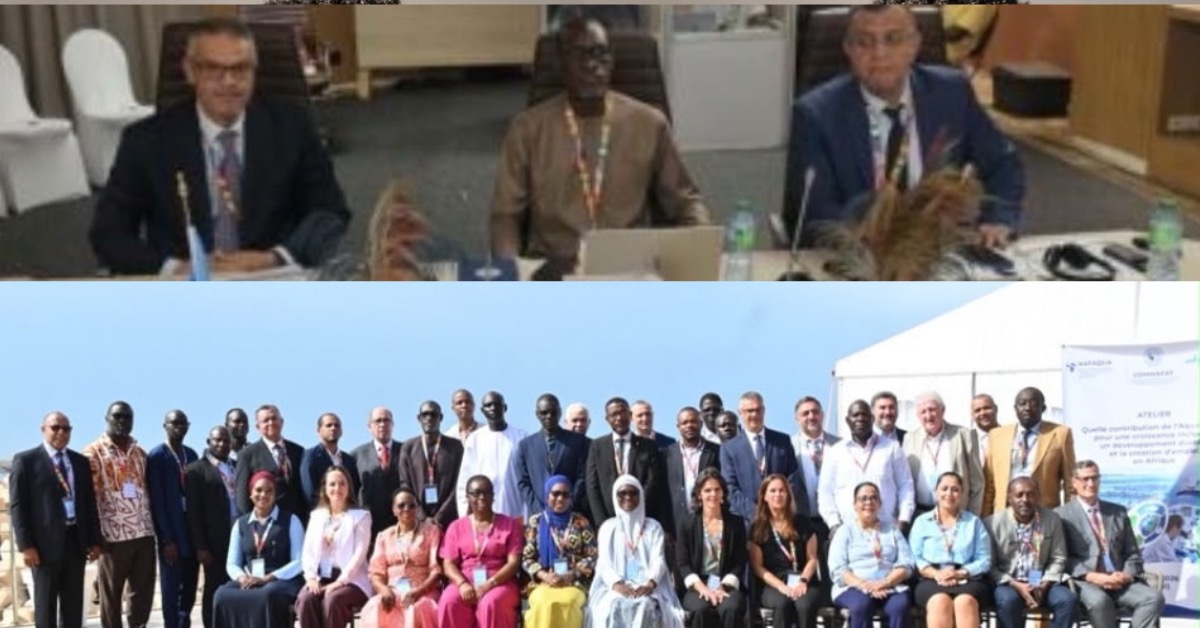
Ndiaye made the statement during a high-level meeting on aquaculture held in Dakar, Senegal, from October 7 to 8, 2026, under the theme: “What Contribution Can Aquaculture Make to Inclusive Growth, Sustainable Development, and Job Creation in Africa?”
He called for a transition from reliance on capture fisheries towards fish farming, noting the need to respond to declining fish catches while meeting the growing demand for fish and other food products across the continent.
The meeting was jointly organised by the African Network of Institutions for Aquaculture Development and Promotion (RAFAQUA) and the African Network of Fisheries Research and Marine Science Institutes (RAFISMER), under the auspices of the Ministerial Conference on Fisheries Cooperation among African States Bordering the Atlantic Ocean (ATLAFCO).
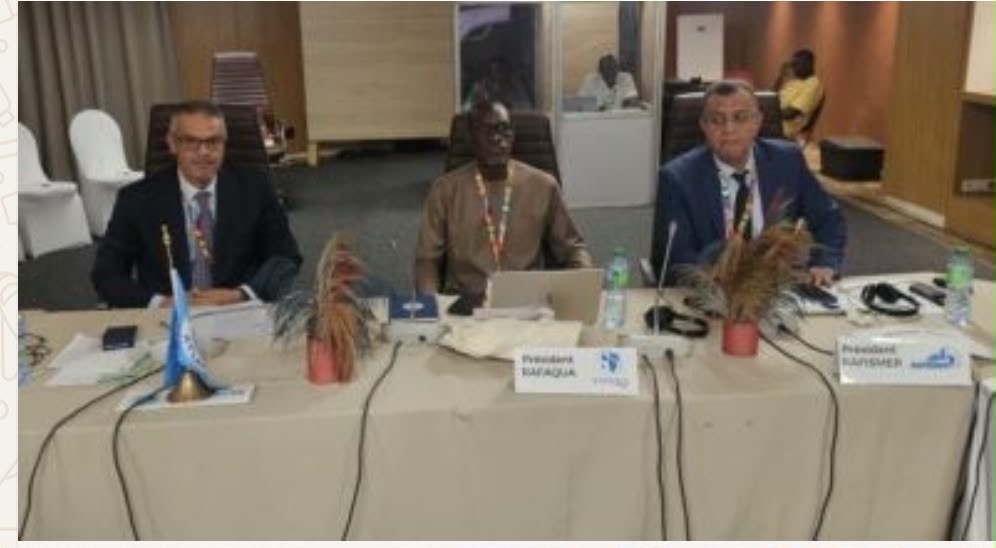
Supported by ATLAFCO, the workshop brought together representatives from the organisation’s 22 member states, alongside participants from the Sub-Regional Fisheries Commission (CSRP), Portugal’s AIR Centre and the OMPDA.
The meeting aimed to facilitate the exchange of experiences and strengthen cooperation among ATLAFCO member states through the RAFAQUA and RAFISMER networks, with a focus on building synergies and promoting complementary approaches to aquaculture development.
ATLAFCO Executive Secretary, Taoufik El Ktiri, commended the quality of presentations and contributions during the meeting, saying they demonstrated a commitment to developing an aquaculture sector that is sustainable, competitive, profitable and equitable.
Meanwhile, RAFISMER President Mohamed Najih stressed the importance of coordinated efforts among policymakers, research institutions, private-sector operators and development partners to ensure a successful transition towards sustainable aquaculture.
He called on governments to facilitate investment, establish standardised production zones and modernise supporting infrastructure to strengthen the sector’s development across Africa.
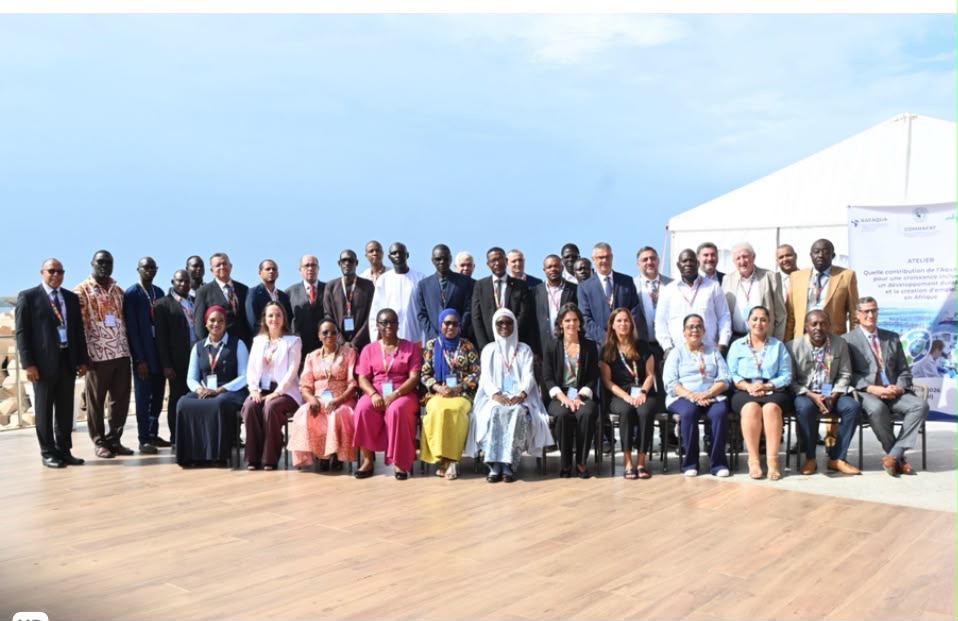
For his part, RAFAQUA President Samba Ka also emphasised the need for collective action, urging stakeholders across the continent to work together in identifying and implementing sustainable solutions for aquaculture development.
The discussions highlighted the potential role of aquaculture in supporting food security, expanding employment opportunities and promoting inclusive economic growth, as African countries seek sustainable ways to meet rising demand for fish and reduce pressure on wild fish stocks.