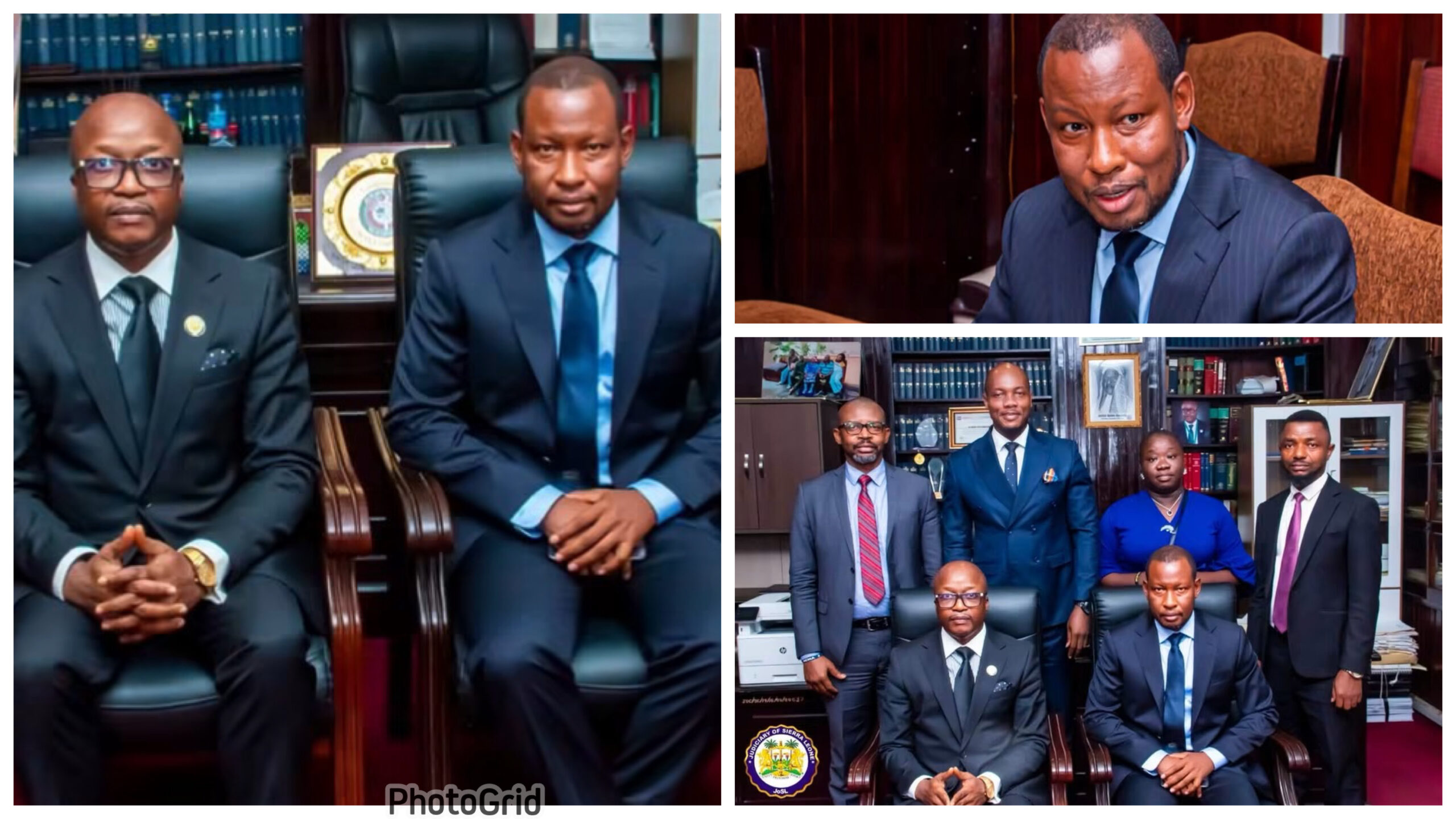

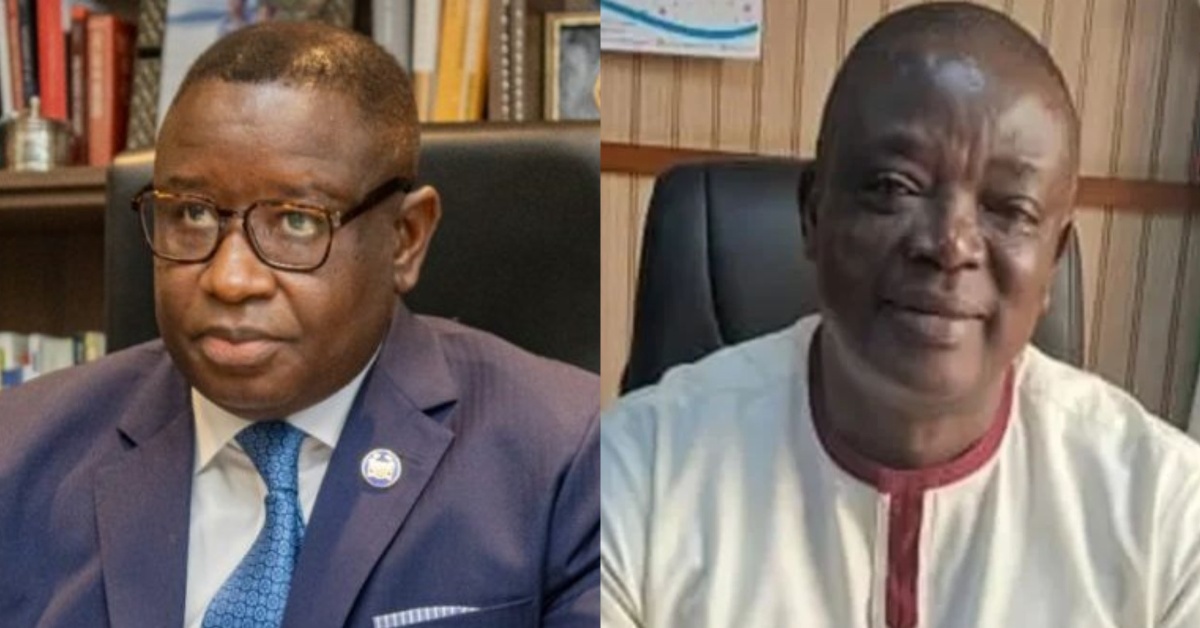
A national debate has intensified over the appointment of a new Chief Electoral Commissioner, as Hon. Osman Abdal Timbo, an All People’s Congress (APC) flagbearer aspirant, raises concerns about the timing of the process in relation to the Tripartite Agreement established after the disputed 2023 general elections.
Hon. Timbo has emphasized that the Tripartite process extends beyond filling a vacant position at the Electoral Commission of Sierra Leone (ECSL). According to him, the process is designed to implement deeper structural and institutional reforms to restore public trust and strengthen the credibility of future elections, particularly the 2028 polls.
Under Section 32(3) of Sierra Leone’s 1991 Constitution, the President has the authority to appoint the Chief Electoral Commissioner and other members of the ECSL, subject to parliamentary approval. Appointees are required to be individuals of high moral character and proven integrity.
Government officials argue that early planning and administrative continuity are critical for the 2028 general elections. They maintain that appointing a substantive Chief Electoral Commissioner is both a constitutional responsibility and a necessary step for effective electoral planning, procurement, and voter registration reforms. According to this view, constitutional authority can be exercised while broader reform discussions continue.
However, Hon. Timbo and other APC members insist that recommendations from the Tripartite Committee should take precedence. The committee, established following concerns raised after the 2023 elections, is tasked with reviewing the electoral legal framework, strengthening institutional independence, improving transparency in results collation, and promoting trust between political parties.
Hon. Timbo warned that proceeding with the appointment before fully addressing these recommendations could undermine the spirit of the Tripartite Agreement and weaken public confidence. “This is not about one individual,” he said. “It is about fixing the system first to ensure lasting trust and confidence in our elections.”
The debate has highlighted two key positions shaping national discourse. While the government maintains that constitutional provisions authorize the appointment and that preparations for 2028 cannot be delayed, the opposition stresses that meaningful reforms must come first to avoid perceptions of political bias or unilateral action.
Political analysts note that the outcome of this debate could have far-reaching implications for Sierra Leone’s democratic future. The credibility and independence of the ECSL will be central to ensuring peaceful, transparent, and widely accepted elections in 2028.
For citizens, the issue extends beyond legality to matters of public trust. As Sierra Leone continues its democratic journey, balancing constitutional authority with confidence-building reforms remains essential for political stability and national unity.
The coming months are expected to be decisive as stakeholders work to strengthen the electoral system while preparing for the country’s next general elections.