
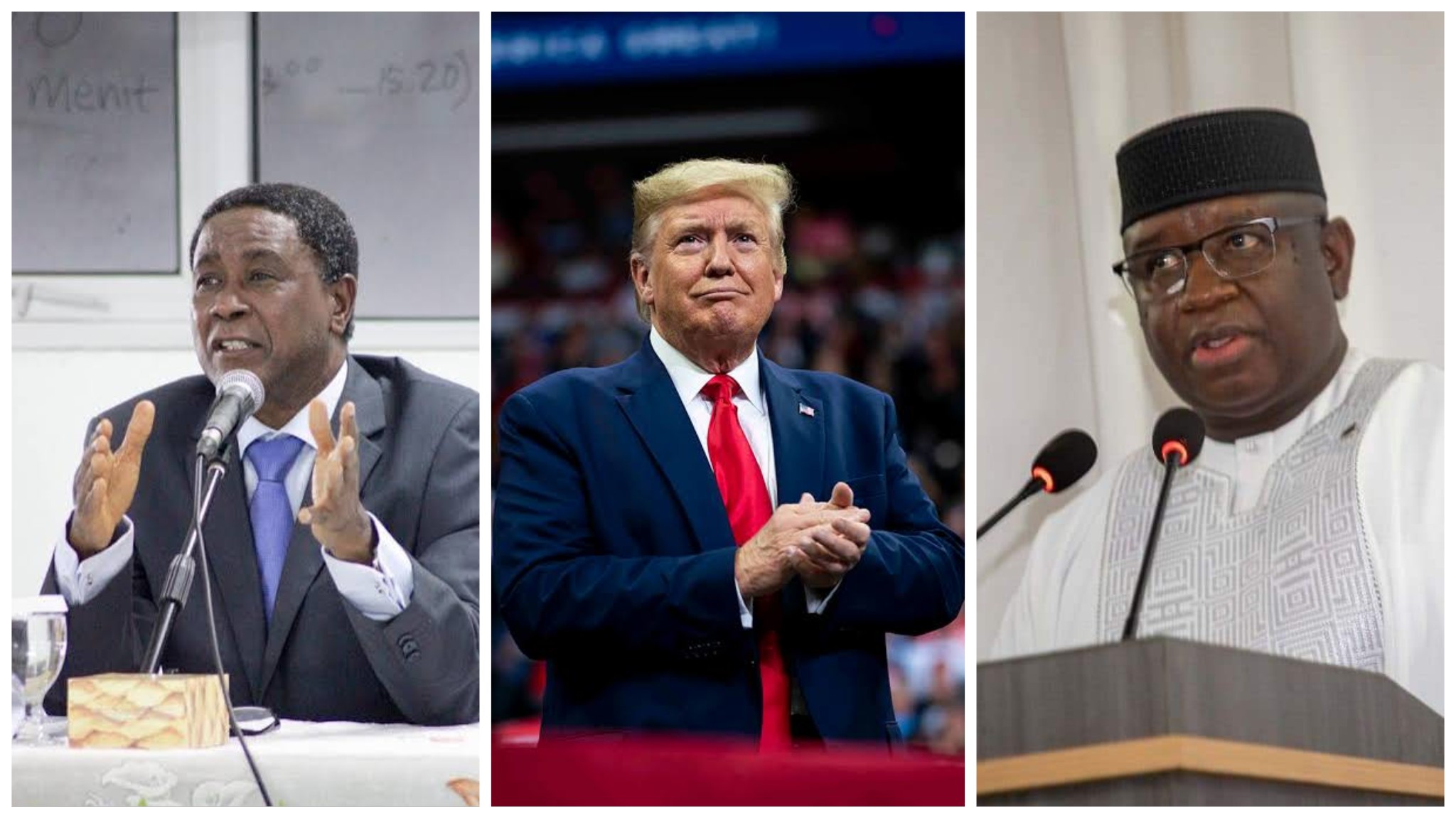
Questions have emerged over the growing impact of international visa restrictions on Sierra Leonean officials following remarks by Presidential Spokesman Alhaji Alpha Kanu, who disclosed that he was unable to travel abroad for high-level engagements due to visa-related challenges.
Speaking during an interview on Radio Democracy, Kanu revealed that he could not attend a scheduled presentation at the United Nations office in Geneva, Switzerland, despite being formally invited to speak on Sierra Leone’s education reforms. He attributed his absence to visa complications and delays in submitting his application, noting that he eventually delivered his presentation virtually.
“I had to give my own presentation online. I couldn’t go because of visa restrictions and things like that. I didn’t apply on time,” Kanu stated.
The Presidential Spokesman explained that the invitation was for him to present on the government’s flagship Free Quality Education programme, particularly the expansion of free education to include early childhood learning for children aged three and above. He said the initiative had attracted the interest of the United Nations, which is reportedly considering aspects of the policy for broader adoption.
While Kanu maintained that the invitation itself underscored the international recognition of the Bio administration’s human capital development agenda, his reference to “visa restrictions” has sparked wider debate, especially against the backdrop of new travel limitations imposed on Sierra Leoneans.
As of January 1, 2026, the United States implemented Presidential Proclamation 10998, which suspends entry for Sierra Leonean nationals into the U.S. The White House cited serious shortcomings in Sierra Leone’s identity-management systems and concerns over cooperation in deportation processes as reasons for the restriction.
Although the U.S. ban does not legally extend to Europe or Switzerland, observers note that the timing of Kanu’s comments has heightened concerns that Sierra Leonean officials may be facing increased scrutiny and practical barriers when seeking entry into key international diplomatic destinations.
No official visa ban has been announced by Swiss authorities against Sierra Leonean nationals. However, the situation highlights the broader diplomatic and logistical challenges confronting Sierra Leone at a time when its officials are seeking greater international engagement and policy influence.
Kanu, meanwhile, insisted that despite travel setbacks, Sierra Leone’s reforms continue to gain global attention, pointing to President Julius Maada Bio’s recognition by the United Nations Secretary-General as evidence of the country’s growing profile in human capital development.