
Sierra Leone, long known for its vast mineral wealth, may be on the brink of a new economic era following confirmation that the country holds significant oil reserves.
For decades, many have speculated that the nation also possessed oil a resource capable of transforming its economic landscape and improving the living standards of its people.
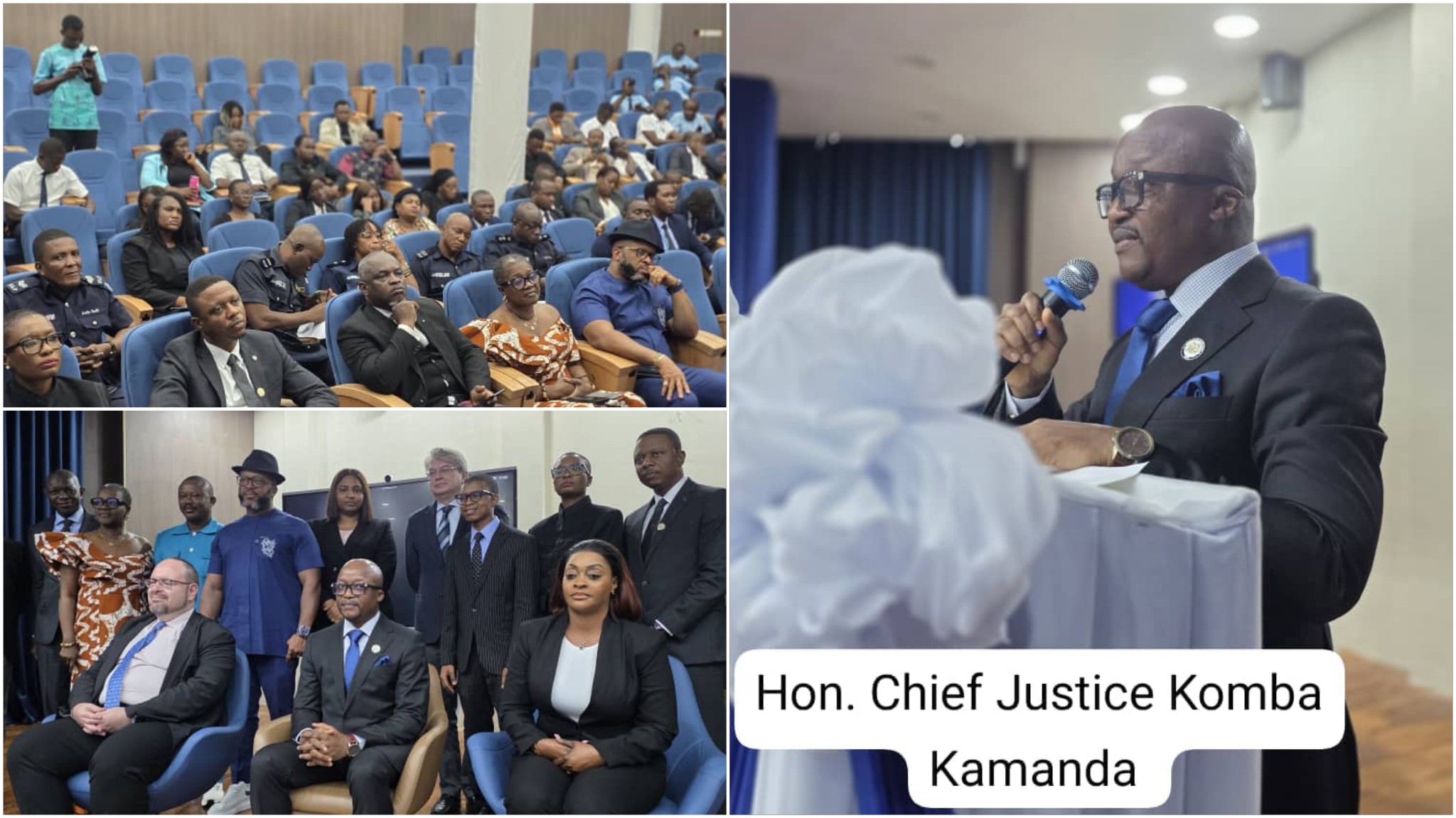
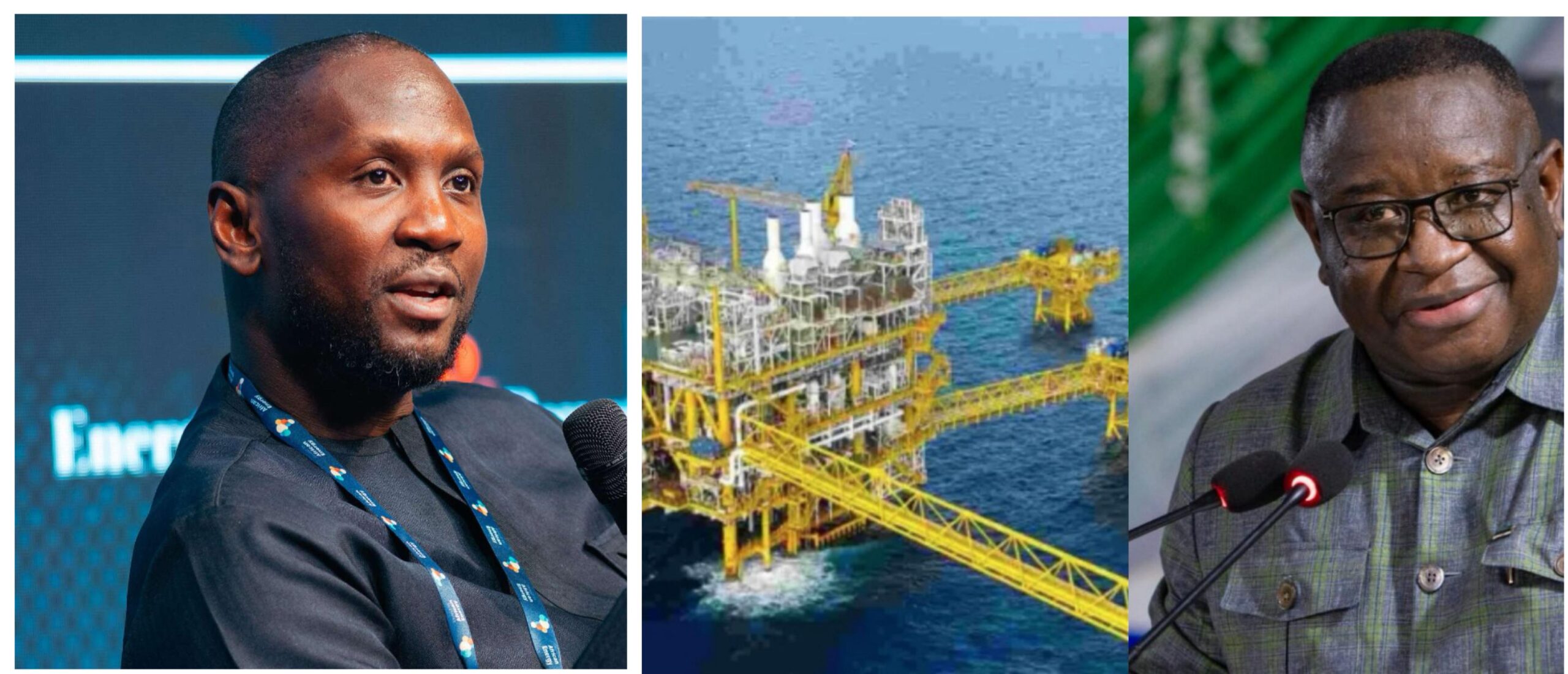
Speaking recently on Truth Morning Devotion, the Director-General of the Petroleum Directorate in the Office of the President, Engineer Foday Mansaray, revealed that Sierra Leone has over 30 billion barrels of recoverable oil. He noted that the country remains one of the most competitive destinations in the oil sector in terms of fiscal policy and investment opportunities.
Engineer Mansaray explained that efforts are underway to attract companies capable of conducting advanced geological and seismic studies to guide future drilling operations. “Drilling a single well is extremely costly, so we have to ensure we do it in the right locations,” he said. He also disclosed that Sierra Leone has successfully attracted one of the world’s largest Italian oil and gas companies a clear indication of growing investor confidence in the nation’s oil potential.
According to Mansaray, the government hopes to identify commercially viable quantities of oil that can bring lasting economic value to the nation. To achieve this, private sector participation is being encouraged to accelerate exploration and drilling activities that could ultimately position Sierra Leone as a net oil producer and exporter.
The Director-General emphasized that all companies entering the sector will undergo a thorough vetting process to ensure credibility and compliance with national regulations. He highlighted the establishment of the Sierra Leone National Petroleum Company (SLNPC), created to safeguard the country’s commercial interests, manage fuel import and export operations, and invest in oil and gas assets abroad.
Despite the optimism, many Sierra Leoneans remain cautious. Their main concern is whether a commercial oil discovery will truly improve the lives of ordinary citizens. This skepticism stems from the country’s long experience with other mineral resources including diamonds, gold, rutile, bauxite, and iron ore which have generated vast wealth but delivered little tangible benefit to the wider population.
Across mining communities, residents often live in poverty despite the extraction of valuable minerals from their lands. Many companies have failed to meet corporate social responsibility obligations, leaving communities without adequate infrastructure, social services, or fair wages.
As the prospect of oil production draws nearer, citizens are hopeful that this time, the benefits will extend beyond the political and economic elite.
The discovery represents more than barrels of oil it embodies the dream of a nation striving to turn its natural wealth into lasting opportunity, dignity, and prosperity for all.
Whether this newfound optimism will translate into inclusive development remains to be seen, but for now, Sierra Leone stands on the threshold of what could be one of the most transformative moments in its economic history.