
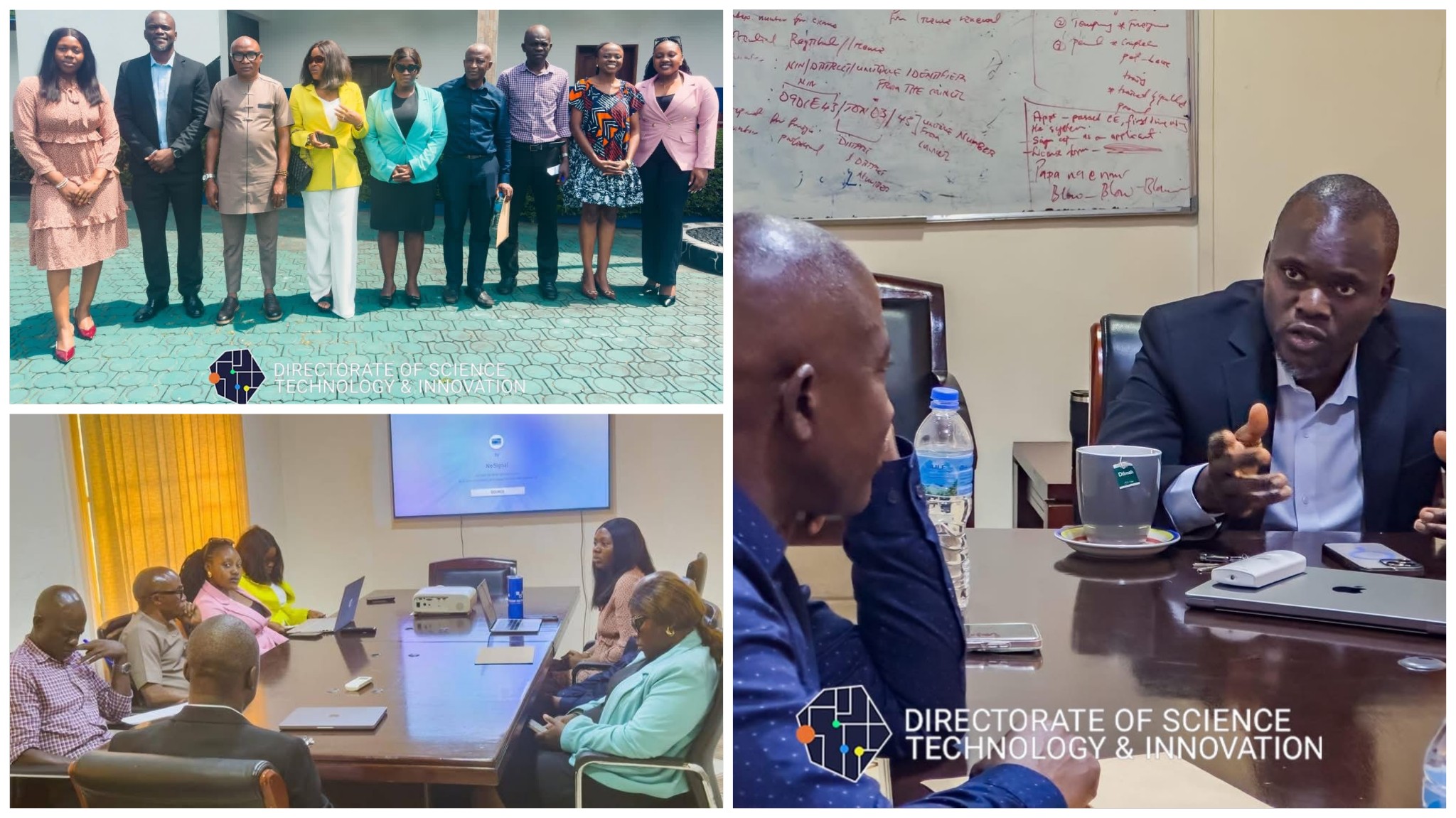
The Directorate of Science, Technology and Innovation (DSTI) has engaged the Sierra Leone Adult Education Association (SLADEA) and the Ministry of Basic and Senior Secondary Education (MBSSE) in a collaborative meeting to establish a partnership aimed at expanding Functional Adult Literacy and Foundational Digital Literacy training across Sierra Leone.
The engagement focused on addressing the growing challenge of kush addiction and its devastating impact on young people and communities nationwide.
This new partnership seeks to integrate literacy, rehabilitation, and technology to support national recovery efforts through education and innovation. It reflects the Government of Sierra Leone’s commitment to human capital development and the digital transformation agenda by creating inclusive opportunities for vulnerable youth to rebuild their lives through learning and digital empowerment.
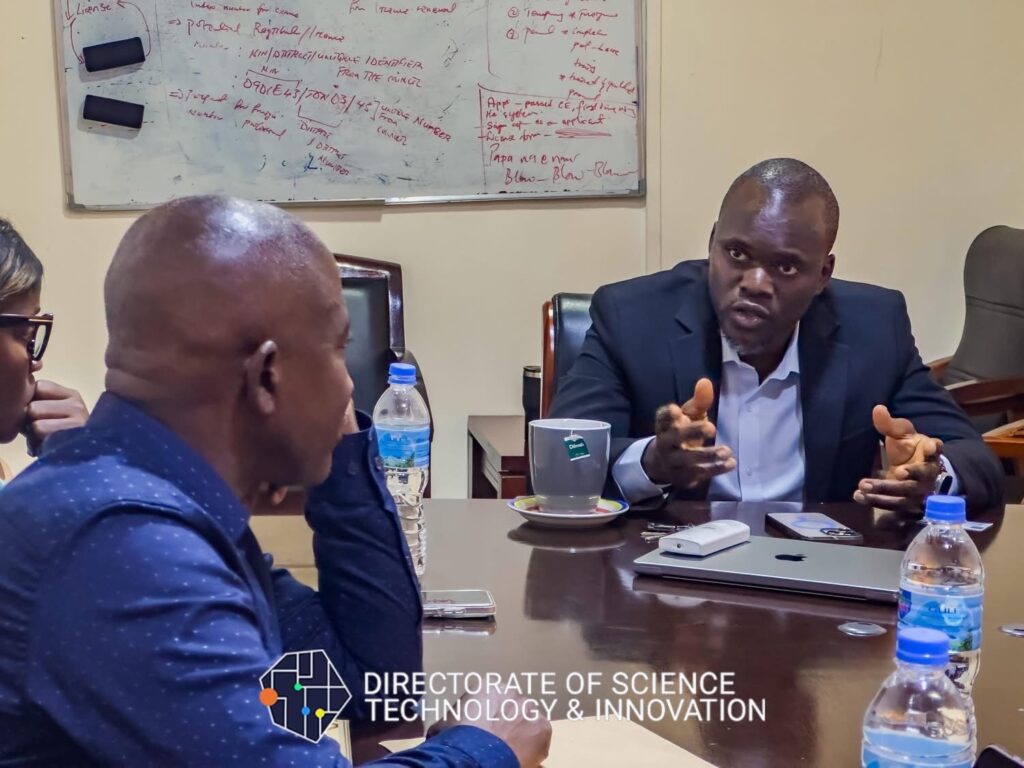
During the engagement, DSTI Director Jasper Sembie described the misuse of kush as a national crisis affecting education, productivity, and community stability.
“The problem of kush is not just a social issue — it’s a development issue. Technology and education must work hand in hand to rebuild lives, restore purpose, and create opportunities for those most affected,” he stated.
Mohammed Kallon from the MBSSE highlighted rising school violence linked to kush abuse and noted that the matter would form part of a broader proposal to be presented to the Minister.
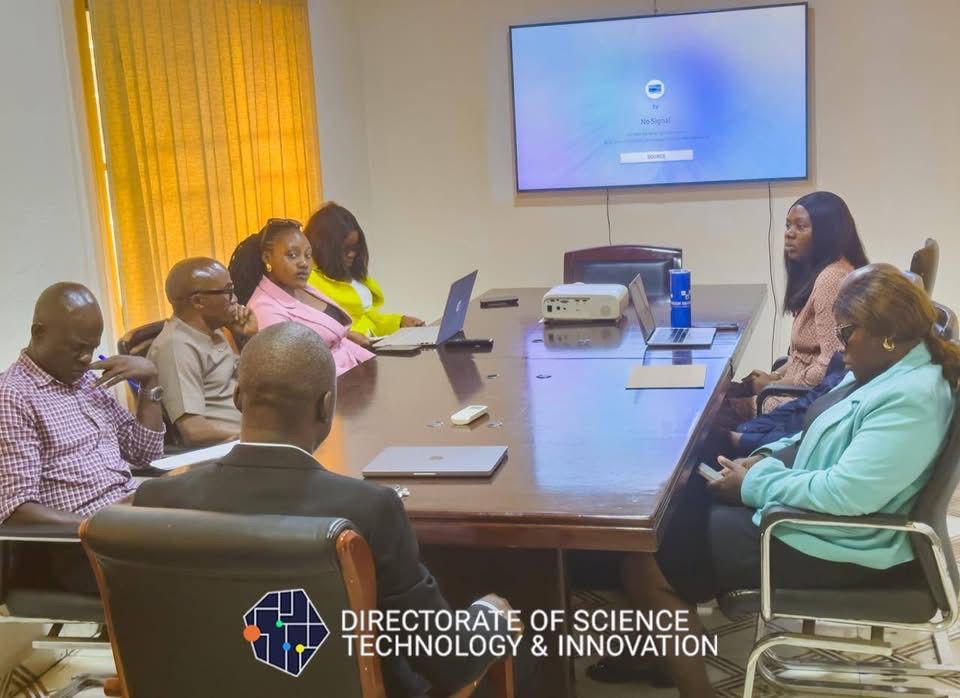
SLADEA representatives, including Daniel T. Fullah and Sallieu S. Sillah, commended the initiative and pledged to deliver literacy, mathematics, work-readiness, and entrepreneurship training. They also recommended preventive education in schools and collaboration with the Ministry of Social Welfare to strengthen early awareness.
SLADEA further introduced its theatre-based awareness programme, “All Dun Bos,” which uses drama to promote behavioural change and inspire hope among recovering addicts.
As part of its contribution, DSTI reaffirmed its commitment by announcing plans to provide free internet access to rehabilitation centres, enabling young people to access educational and motivational materials as part of their reformation process. The Directorate will also develop a digital database to track participants’ learning progress, ensuring transparency, accountability, and measurable outcomes.
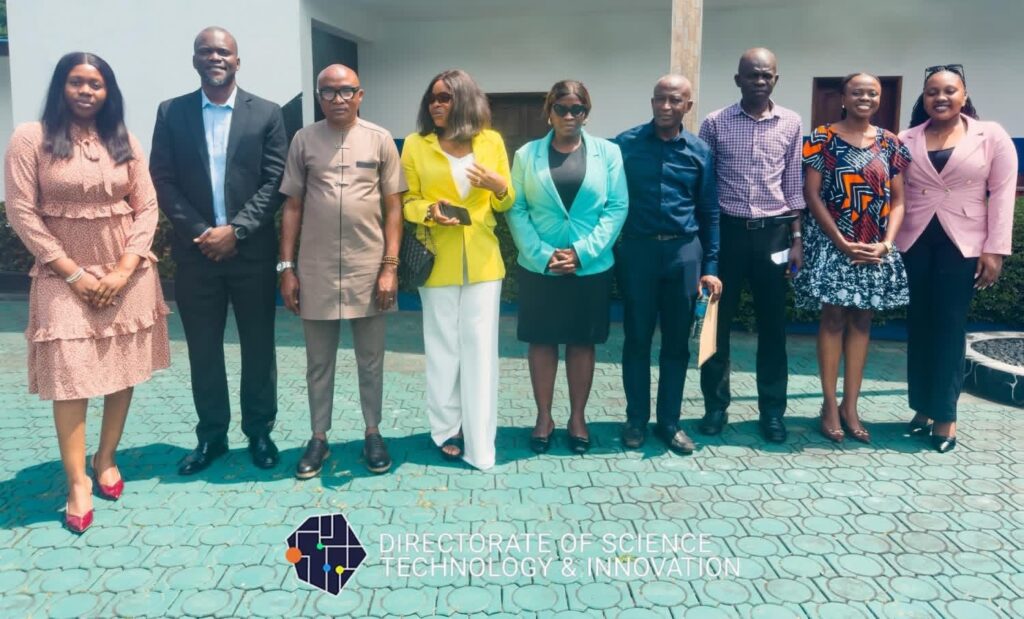
To date, DSTI has empowered over 62,000 young people nationwide through its Digital Learning Hubs located in Freetown, Makeni, and Kenema. These centres are equipped with modern technology and offer certified training under the Tech 101 Digital Skills Programme.
This partnership marks a new milestone in Sierra Leone’s response to drug abuse, demonstrating how innovation, education, and collaboration can drive social transformation, restore dignity, and strengthen the nation’s development priorities.
The next phase of the initiative will involve further engagements with the Ministry of Social Welfare, Children and Gender Affairs, and the leadership of rehabilitation centres working with kush victims.