
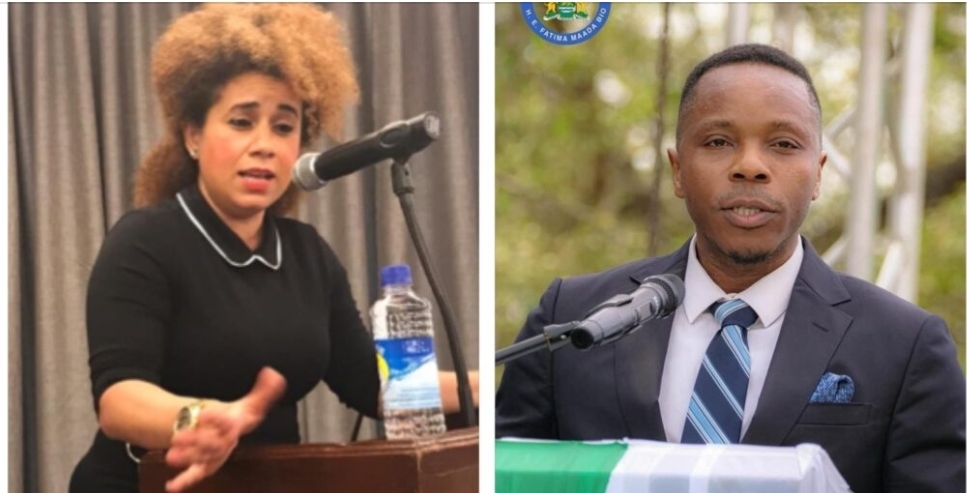
Prominent lawyer and governance advocate Basita Michael has raised concerns over Sierra Leone’s ongoing electoral reform process, describing it as potentially more of a “pretence” than genuine progress.
Her remarks come in response to Chief Minister Dr. David Moinina Sengeh’s recent declaration that government has made “real progress” in strengthening democracy, with 37 reforms completed, 47 ongoing, and 16 set to begin.
While these figures suggest robust institutional commitment, Michael argues that the reality on the ground tells a different story. Citing the 2025 Afrobarometer Round 10 survey, she noted that 74% of Sierra Leoneans—approximately 6.6 million people—say they have never even heard of the reform process.
“The demographic breakdown is even more troubling,” she stressed. “Only 16% of women, 20% of rural residents, and just 13% of northerners are aware of these reforms. If the majority of citizens are unaware of these changes, how can they trust them? How can they engage with them? How can they believe in a process they’ve been excluded from?”
Michael emphasized that democratic legitimacy requires more than constitutional authority, quoting Section 5(2) of the 1991 Constitution: “Sovereignty belongs to the people of Sierra Leone from whom Government through this Constitution derives all its powers, authority and legitimacy.”
She warned that if reforms continue to be pursued without public engagement, they risk being perceived as instruments of manipulation rather than steps toward credible elections.
According to Michael, structural barriers such as low literacy, limited internet access, and poor electricity supply have long kept women, rural dwellers, and the poorest citizens out of political discourse. She argued that these realities demand proactive outreach by government, not reliance on urban-based media or elite-driven committees.
Quoting Truth Media’s August 2025 editorial, she added: “If Sierra Leone is to build a truly representative electoral system, it must start by listening to the 74% who haven’t been given a seat at the table.”
Michael further stated that electoral reforms should not be monopolized by political parties or government insiders, noting that they are meant to serve the people of Sierra Leone as a whole.
“Inclusive communication and public participation are the cornerstones of democracy. Reforms conducted in the shadows, no matter how many are ‘completed’ or ‘ongoing,’ lack legitimacy,” she concluded.
For her, the road to credible and transparent elections begins and ends with the people. Without their trust and involvement, she warned, Sierra Leone risks drifting away from democracy rather than moving toward it.